Electrical Overload: Is your home’s old wiring ready for the winter heat demand? Avoiding seasonal electrical fires.
Electrical Overload: Is your home’s old wiring ready for the winter heat demand? Avoiding seasonal electrical fires.
![[HERO] Electrical Overload: Is your home’s old wiring ready for the winter heat demand? Avoiding seasonal electrical fires.](https://cdn.marblism.com/qW_ZQUAjEs5.webp)
Down here in Southern Louisiana, we don't exactly get those "White Christmas" winters you see in the movies. Our version of a cold snap usually involves a lot of damp, bone-chilling humidity and a sudden drop in temperature that catches everyone off guard. When that first real freeze hits places like Lafayette, Alexandria, or Ville Platte, the first thing we all do is go for the thermostat or start digging those old space heaters out of the hall closet.
But here’s the thing: a lot of our homes in the Acadiana area and across the state were built way before we had the kind of electrical demands we have today. Back in the day, a house might have had a few lights, a fridge, and a TV. Now, we’ve got high-powered HVAC systems, computers, gaming consoles, and kitchen gadgets galore. When you add the massive draw of a space heater or an old central heating unit working overtime, that old wiring starts to feel the pressure.
Electrical overloads aren’t just a nuisance that trips your breakers; they are a legitimate fire hazard. If your home’s electrical system isn't up to the task, you could be looking at a very different kind of winter than you planned for. At Drymax Restoration, we see the aftermath of these situations more often than we’d like.
Why Our Louisiana Homes Struggle in the Cold
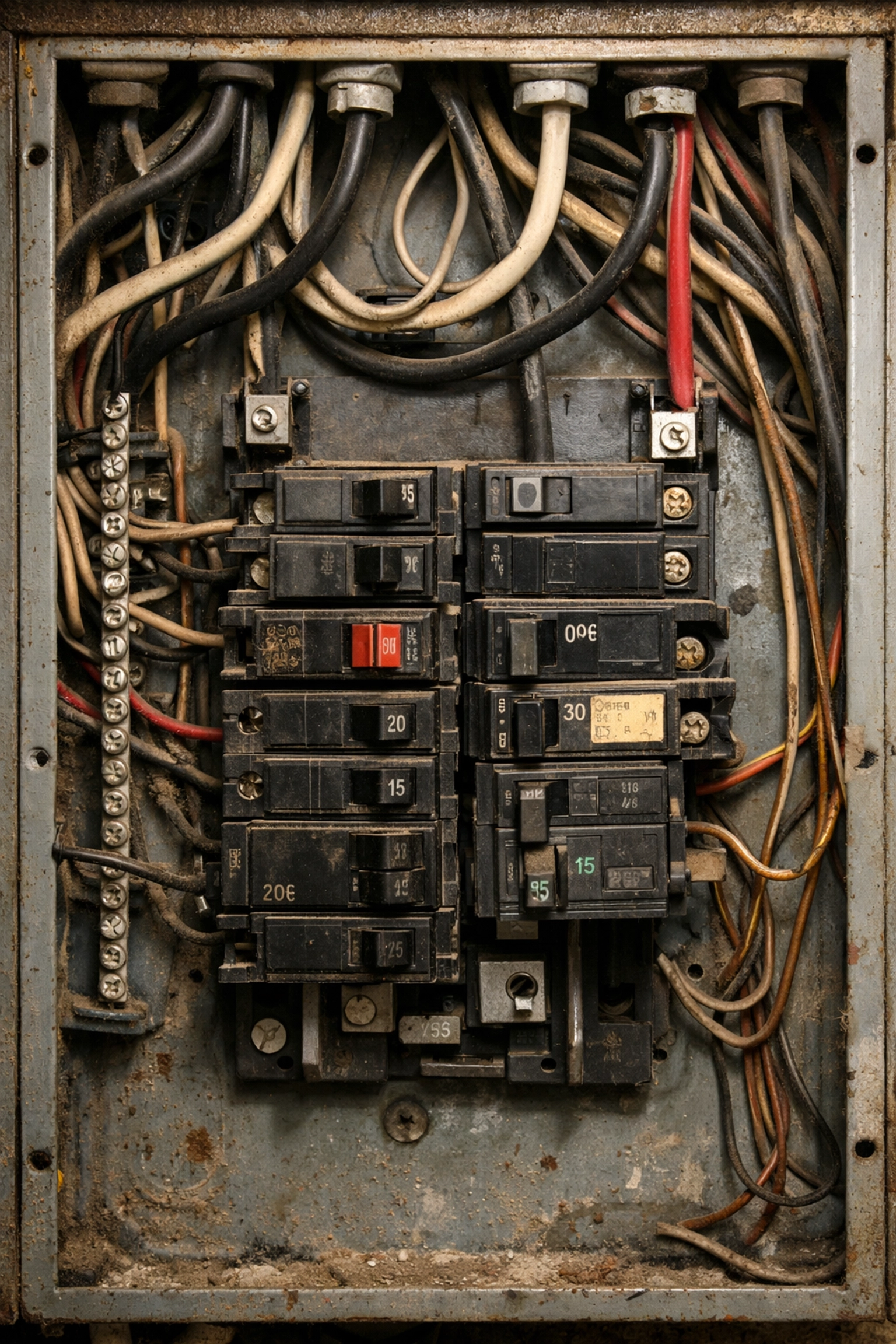
Most of the year, we’re worried about the AC keeping us from melting into the sidewalk. But when the heat demand spikes, it puts a different kind of strain on the house. In older Southern Louisiana homes, the electrical panels and the actual wires running through your walls (and your attic) might only be rated for 60 or 100 amps. Modern homes usually start at 200 amps.
When you’re running a space heater in the bedroom because the back of the house stays chilly, that single unit can pull 12 to 15 amps all by itself. If that’s on the same circuit as your TV, your lamp, and maybe a computer, you’re pushing that circuit right to its breaking point.
The dangerous part is that the wire inside the wall starts to get hot. If the insulation on that wire is old, brittle, or was chewed on by a rogue squirrel in the attic, that heat can turn into a spark. Before you know it, you’ve got a fire starting where you can’t see it. This is why electrical fire restoration is such a common call for us during the months of December, January, and February.
The Danger of the "Quick Fix"
We’ve all done it. You plug in a space heater, the breaker trips, so you move it to another outlet. Or worse, you use an extension cord to reach an outlet on a different wall. This is a recipe for disaster. Extension cords are meant for temporary use with low-power items, not for the heavy-duty draw of a heater.
In fact, space heaters and extension cords are the leading cause of winter house fires in our neck of the woods. People underestimate how much juice these things need. We actually wrote a whole piece on space heaters and extension cords and how to avoid the #1 cause of winter house fires in the Bayou because we see it happen every single year.
The heat generated by an overloaded extension cord can melt the plastic casing and ignite your carpet or curtains in seconds. If you’re using old house wiring that wasn’t designed for this load, the risk is even higher.
What Should You Be Looking For?
Most people don't think about their wiring until a light switch stops working or a fire starts. But there are usually some "tells" that your home is struggling with the winter heat demand. If you’re living in an older home in Southern Louisiana, keep an eye (and an ear) out for these warning signs:
- Flickering or Dimming Lights: If your lights dim every time the heater kicks on, your system is struggling to keep up with the demand.
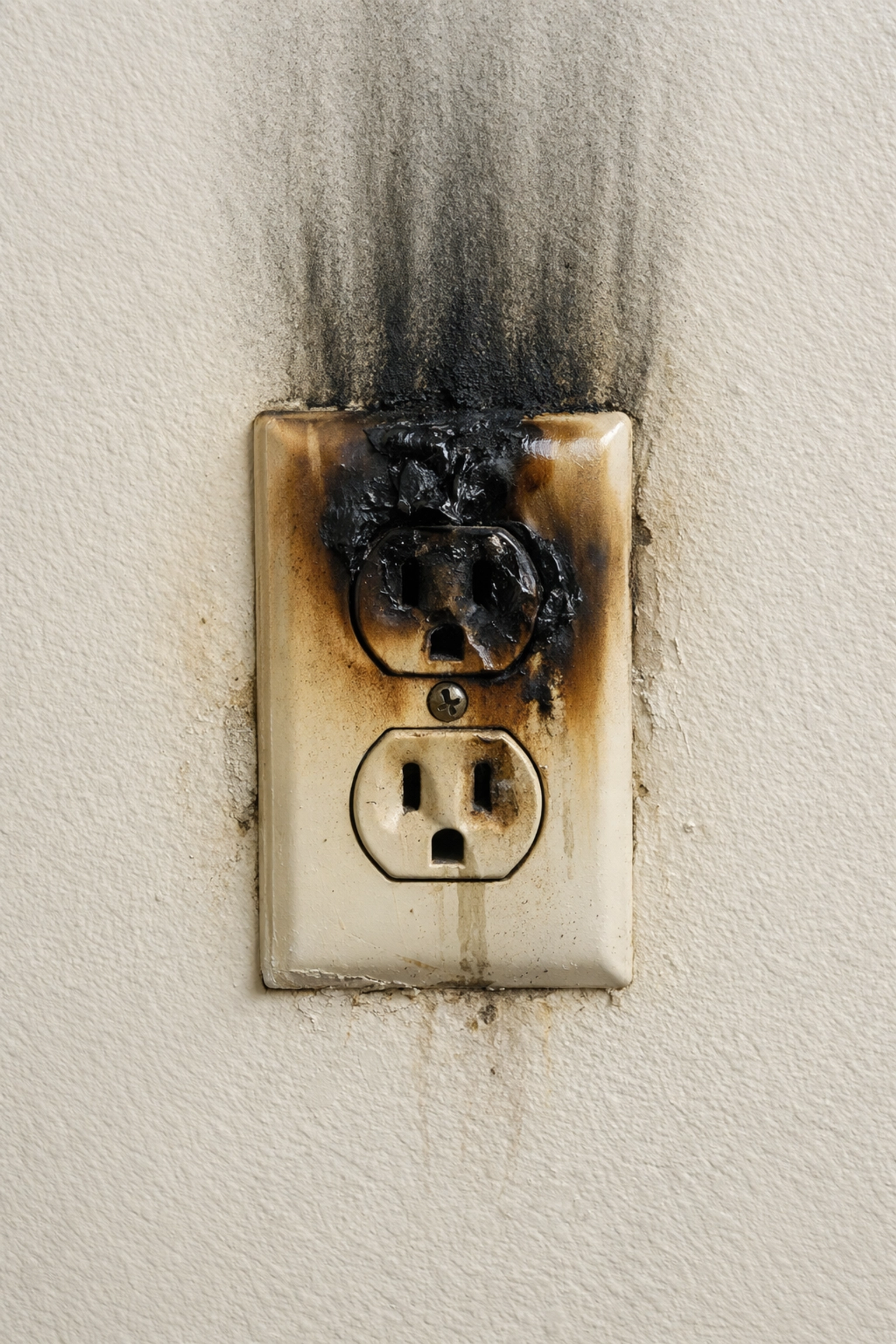
- Warm Outlet Covers: If you touch a wall plate and it feels warm to the touch, stop using that outlet immediately. Something is heating up behind the scenes.
- Buzzing or Sizzling Sounds: This is the sound of electricity arcing. It’s basically a tiny lightning bolt happening inside your wall.
- The Burning Smell: This is the big one. If you smell something like burning plastic or a "fishy" chemical odor, that’s often the smell of electrical insulation melting.
- Tripped Breakers: If you’re resetting the breaker more than once a season, it’s not just a "quirk" of the house. It’s a safety feature telling you that the circuit is overloaded.
If you do experience a fire, the cleanup process is about more than just clearing out charred wood. Fire damage cleanup Louisiana requires a professional touch to handle the soot, the water from the fire hoses, and the structural integrity of the home.
The Attic Connection: Heat, Moisture, and Mold
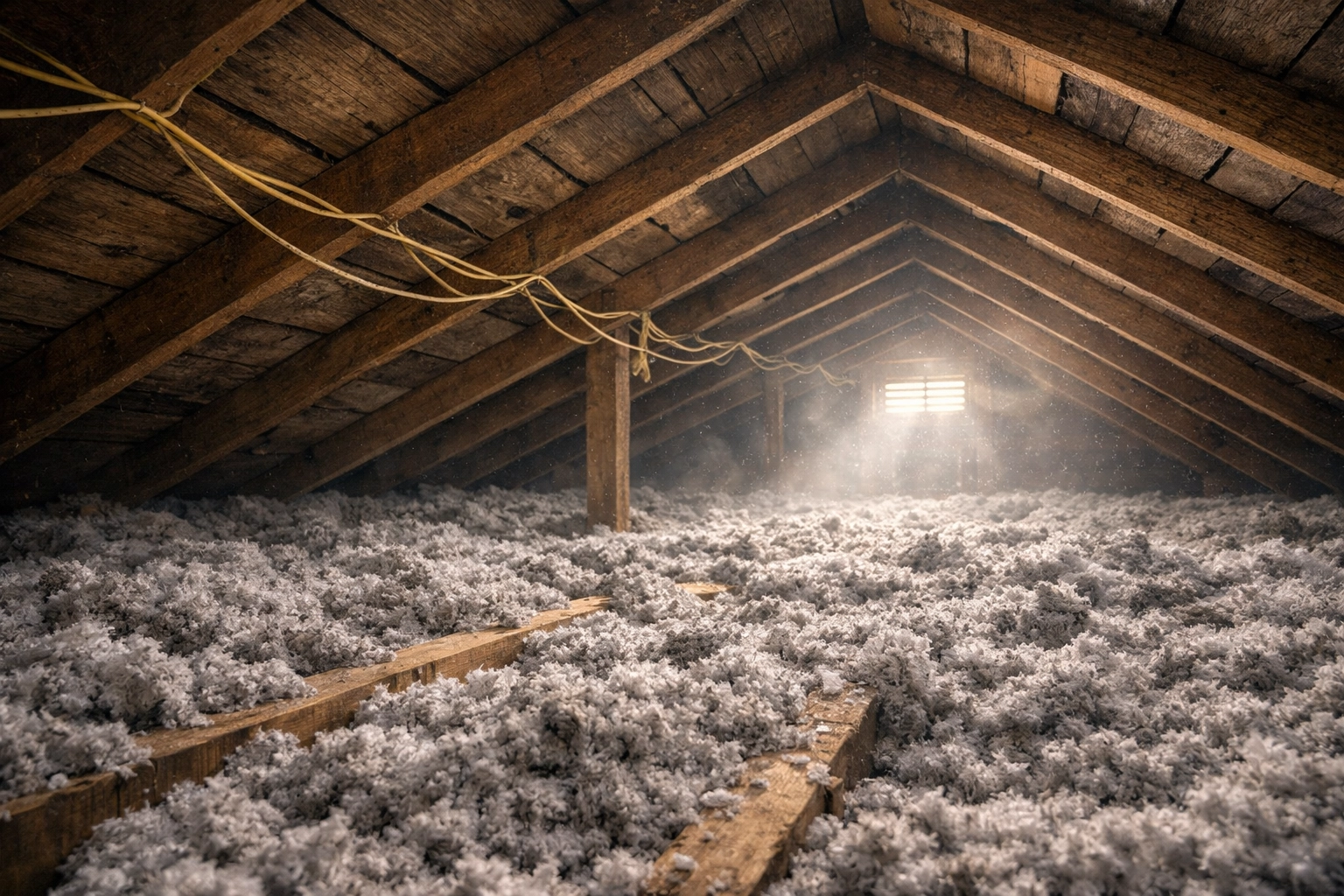
In Louisiana, our attics are usually a mess of insulation, old storage boxes, and, unfortunately, outdated wiring. When you run your heater 24/7 during a cold snap, you’re not just changing the temperature in your living room; you’re changing the environment in your attic.
Heat rises, and in a poorly insulated Louisiana home, that heat hits the cold underside of your roof. This creates condensation. Now you’ve got damp insulation sitting on top of old wires. Moisture and electricity don’t mix, and dampness can actually accelerate the degradation of old wiring. Plus, all that extra moisture can lead to a whole other set of problems, like mold. If you're curious about how that works, check out our guide on the attic moisture trap and why running your heater 24/7 can cause mold in a cold Louisiana attic.
Slab Leaks and Temperature Swings
While we’re talking about winter hazards, it’s not just the wiring you have to worry about. Down here, we have a lot of homes built on slabs. When we get those wild temperature swings: going from 75 degrees on a Tuesday to 28 degrees on a Thursday: the ground shifts. That shifting, combined with the expansion and contraction of pipes as the water temperature changes, can lead to slab leaks.
It might seem unrelated to your wiring, but a slab leak can introduce moisture into areas of the home where electrical systems are present. It's all connected. If you think your home is reacting poorly to the freeze, you might want to look into slab leaks and how Southern Louisiana freezes trigger under-slab plumbing failures.
What to Do if the Worst Happens
Let’s say you had an overload and a small fire broke out. Even if the fire department gets there fast and puts it out, the damage is usually widespread. You’ve got the fire damage itself, the smoke damage that permeates every fabric in the house, and the water damage from putting the fire out.
One thing people notice in the winter is that fire smells seem to linger longer. The cold, heavy air can trap those odors in your furniture and drywall. We’ve found that the lingering smell of smoke and why winter air makes fire odors stick to your furniture is a major concern for homeowners trying to get back to normal.
If you find yourself in this situation, the first question is always: "What can I keep?" It’s a tough time, and having a plan helps. We put together a room-by-room guide on what’s salvageable after a house fire to help folks in Acadiana and Alexandria navigate the aftermath.
Practical Steps to Stay Safe This Winter
You don't have to live in fear of your light sockets, but you should be proactive. Here are a few "regular guy" tips to keep the house standing:
- Ditch the Multi-Plug Adapters: Those little plastic blocks that turn one outlet into six are fire starters. If you need that many things plugged in, you need a new circuit, not a cheap adapter.
- Feel Your Cords: Every now and then, walk around and touch the power cords for your heavy appliances or heaters. If they feel hot, unplug them.
- Space Heater Placement: Keep them at least three feet away from anything that can burn. That means curtains, beds, and that stack of newspapers you’ve been meaning to recycle.
- Professional Inspection: If you live in an old house in Lafayette or the surrounding areas, it might be worth having an electrician take a look at your panel. Upgrading a panel is a lot cheaper than fire damage cleanup Louisiana.
- Smoke Detectors: It’s a cliché because it’s true. Check the batteries. In an electrical fire, smoke often starts inside the walls or in the attic, and it can get thick before you even see a flame.
The Drymax Restoration Difference
Look, we live here too. We know what it’s like when a "Blue Norther" comes through and you’re huddled around the heater trying to stay warm. We want you to stay warm, but we want you to stay safe. Old house wiring dangers are a real thing in Southern Louisiana, and they aren't something to ignore.
If you’re worried about your home’s electrical safety, or if you’ve already experienced the nightmare of a seasonal electrical fire, Drymax Restoration is here to help. We handle the tough stuff: from the initial fire damage cleanup to dealing with the lingering smoke odors and potential mold issues from winter moisture.
We serve the entire Southern Louisiana region, including Acadiana, Lafayette, Ville Platte, Alexandria, and all the small towns in between. We know the local architecture, we know the local climate, and we know how to get your home back to its pre-loss condition.
Don't wait for the breakers to start tripping or the smoke to start rising. Take a look at your wiring, be smart with your space heaters, and keep an eye on how your home handles the winter heat demand. And if things go south, you know who to call.
Final Thoughts on Winter Electrical Safety
Winter in the Bayou is short, but it can be intense. The "winter electrical safety" habits you pick up now can save your home from a devastating loss. Remember, your home was built to be a shelter, but its systems have limits. Respect those limits, avoid the common pitfalls of old wiring, and let's all make it through to crawfish season without any major incidents.
If you have questions about fire restoration or need an inspection after a close call, don't hesitate to reach out to us at our contact page. We’re your neighbors, and we’re here to make sure your Louisiana home stays safe, dry, and fire-free all winter long.