How Fast Water Damage Starts in Warm, Humid Climates in Louisiana
How Fast Water Damage Starts in Warm, Humid Climates in Louisiana
![[HERO] How Fast Water Damage Starts in Warm, Humid Climates in Louisiana](https://cdn.marblism.com/ZYoDWPnPJUv.webp)
Down here in Southern Louisiana, we deal with a climate that most of the country just doesn't understand. Between the heat in Alexandria and the heavy humidity we see across Acadiana and Lafayette, moisture isn’t just an occasional problem: it’s a constant factor. When water gets into a home, whether it’s from a busted pipe, a roof leak after a storm, or a slab leak, the clock starts ticking a lot faster than it does in drier parts of the country.
As a technician at Drymax Water, Fire, Mold Restoration, I see the same thing over and over: a homeowner thinks they have a few days to "let things dry out" with a box fan and an open window. In Louisiana, that’s a recipe for a massive mold problem. By the time the musty smell hits, the damage is already deep into the structure.
Understanding the timeline of water damage in a humid environment is the best way to save your property and your wallet.
The First Hour: The "Wicking" Phase
The moment water touches your floor or leaks behind a wall, it’s looking for a place to go. Materials like drywall, insulation, and wood are porous, meaning they act like a sponge. In that first hour, the water isn't just sitting there; it’s wicking upward.
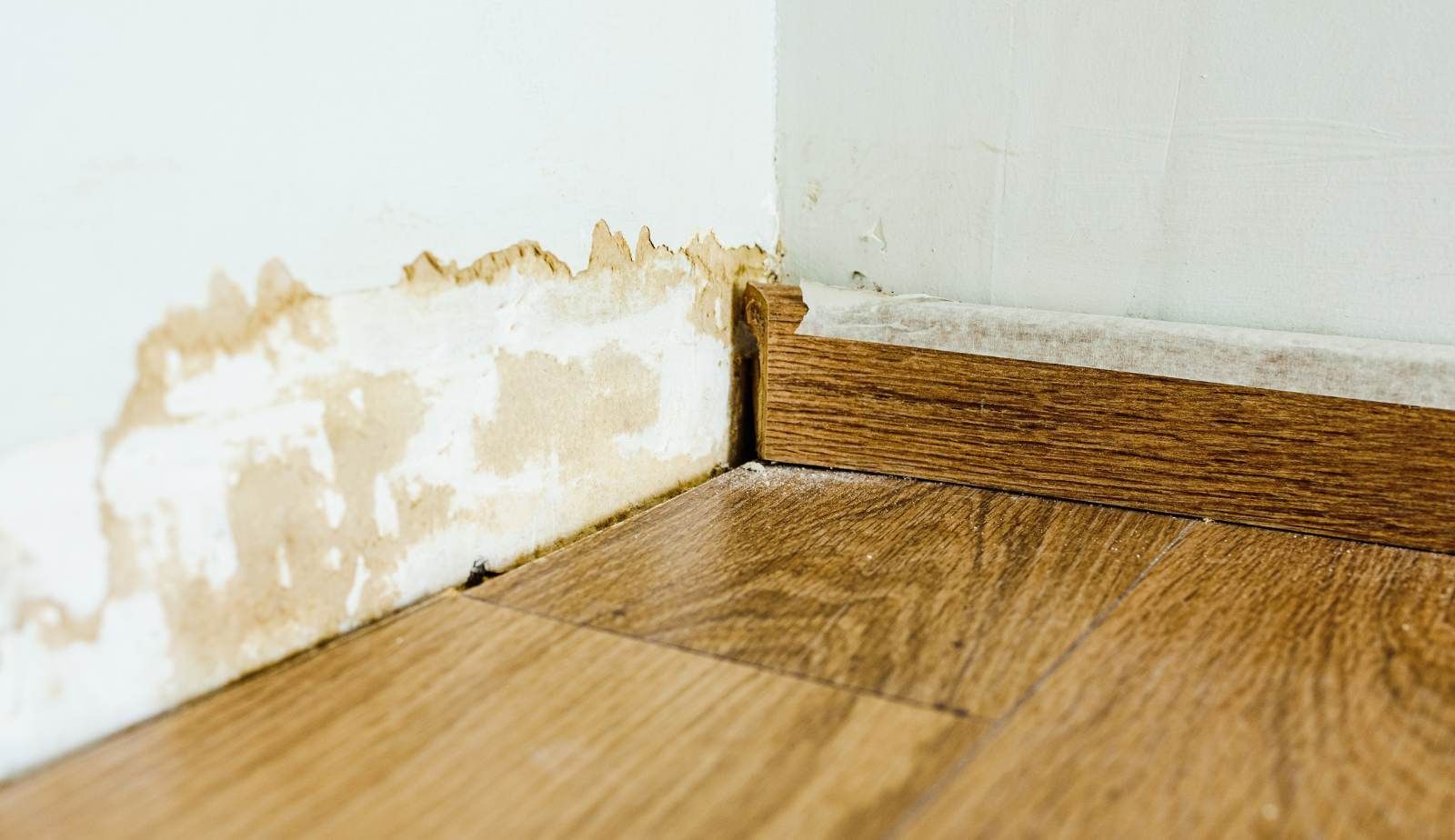
If you have a puddle on a hardwood floor or carpet in a home in Ville Platte, that water is already moving into the subfloor and the baseboards. Drywall is particularly bad about this. It can suck water up 12 to 18 inches above the actual flood line in a very short amount of time. Even if the floor looks like it’s just a little damp, the studs behind the wall might already be saturated.
 Visual: A close-up of water wicking up a piece of unfinished drywall, showing the tide line of moisture.
1 to 24 Hours: The Breakdown Begins
By the time 24 hours have passed, the physical structure of your home starts to change. In the high humidity of Southern Louisiana, the air is already saturated with moisture. This means the water on your floor has nowhere to evaporate to, so it just stays deep inside the materials.
- Drywall: The paper backing on drywall starts to separate. The gypsum core softens. If you press your thumb against a wet wall at the 24-hour mark, it’ll likely leave a permanent dent or go right through.
- Wood and MDF: Most modern homes use MDF (medium-density fiberboard) for baseboards and trim. This stuff is basically compressed sawdust. Once it gets wet, it swells and "blows out." It can’t be fixed; it has to be replaced. Solid wood starts to cup or warp as the fibers swell at different rates.
- Carpet and Pad: The glue holding the carpet backing together (delamination) starts to fail. The foam pad underneath acts like a giant reservoir, holding gallons of water against your subfloor.
This is the window where emergency water removal is most effective. If we can get the bulk water out and start the drying process within this first day, we can often save materials that would otherwise be trashed.
24 to 48 Hours: The Mold Window
This is the most critical timeframe for anyone living in Louisiana. In a lab, mold can start growing in as little as 24 hours if the conditions are right. In a house in Lafayette or Alexandria during the summer, the conditions are always right. Mold needs three things: food (drywall, wood, paper), moisture, and heat.
When your AC is struggling to keep up with the extra humidity from a leak, and the temperature inside the wall cavities rises, mold spores: which are naturally everywhere in our environment: activate. By the 48-hour mark, we often see the first signs of visible growth. Even if you can’t see it on the front of the wall, it’s almost certainly growing on the paper backing inside the wall where it’s dark and damp.
At this stage, you’re no longer just dealing with water damage restoration Louisiana experts; you’re looking at a full-scale mold remediation project. This is also why we tell people that condensation vs. leaks vs. seepage all need to be addressed immediately, regardless of the source.
 Visual: A moisture meter being held against a baseboard, showing a high digital reading in a room that looks otherwise "dry."
48 to 72 Hours: Secondary Damage Takes Over
"Secondary damage" is a term we use a lot in the restoration industry, and it’s a huge problem in the Gulf Coast region. It refers to damage caused by the humidity in the air rather than the initial liquid water.
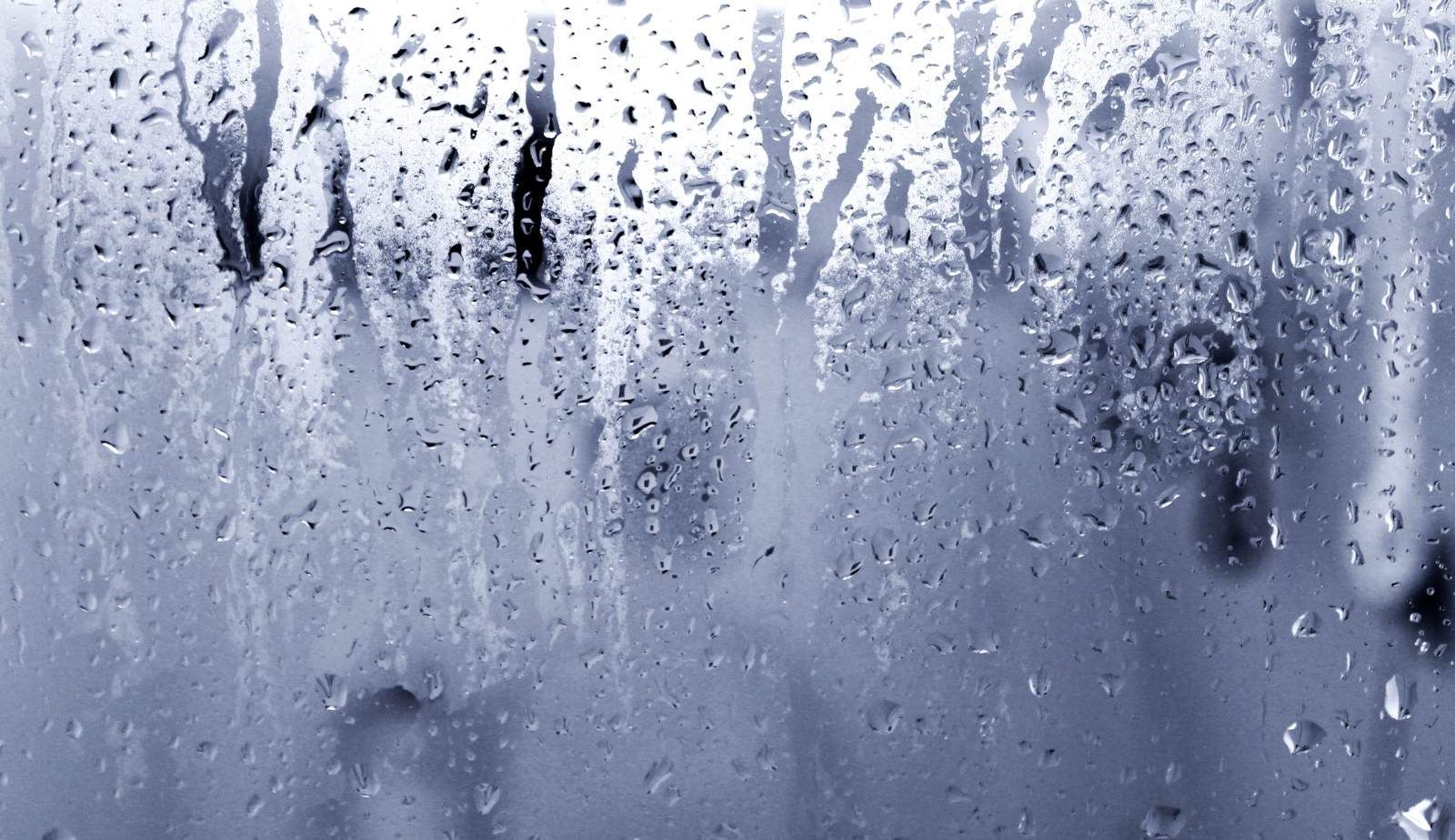
When you have a large amount of water in a home, the indoor humidity can easily jump to 80% or 90%. In Louisiana, the outside air is already humid, so even your AC system can’t pull that much moisture out fast enough.
Secondary damage looks like this:
- Peeling Wallpaper: The moisture in the air dissolves the paste behind the paper.
- Warping Furniture: High-end wood furniture can start to "bloom" with a white haze or warp just from the air moisture.
- Musty Smells: That classic "old basement" smell starts to permeate your clothes and curtains.
- Ceiling Sag: In multi-story homes, the humidity rising from a first-floor flood can cause the ceiling drywall on the second floor to lose its integrity and sag.
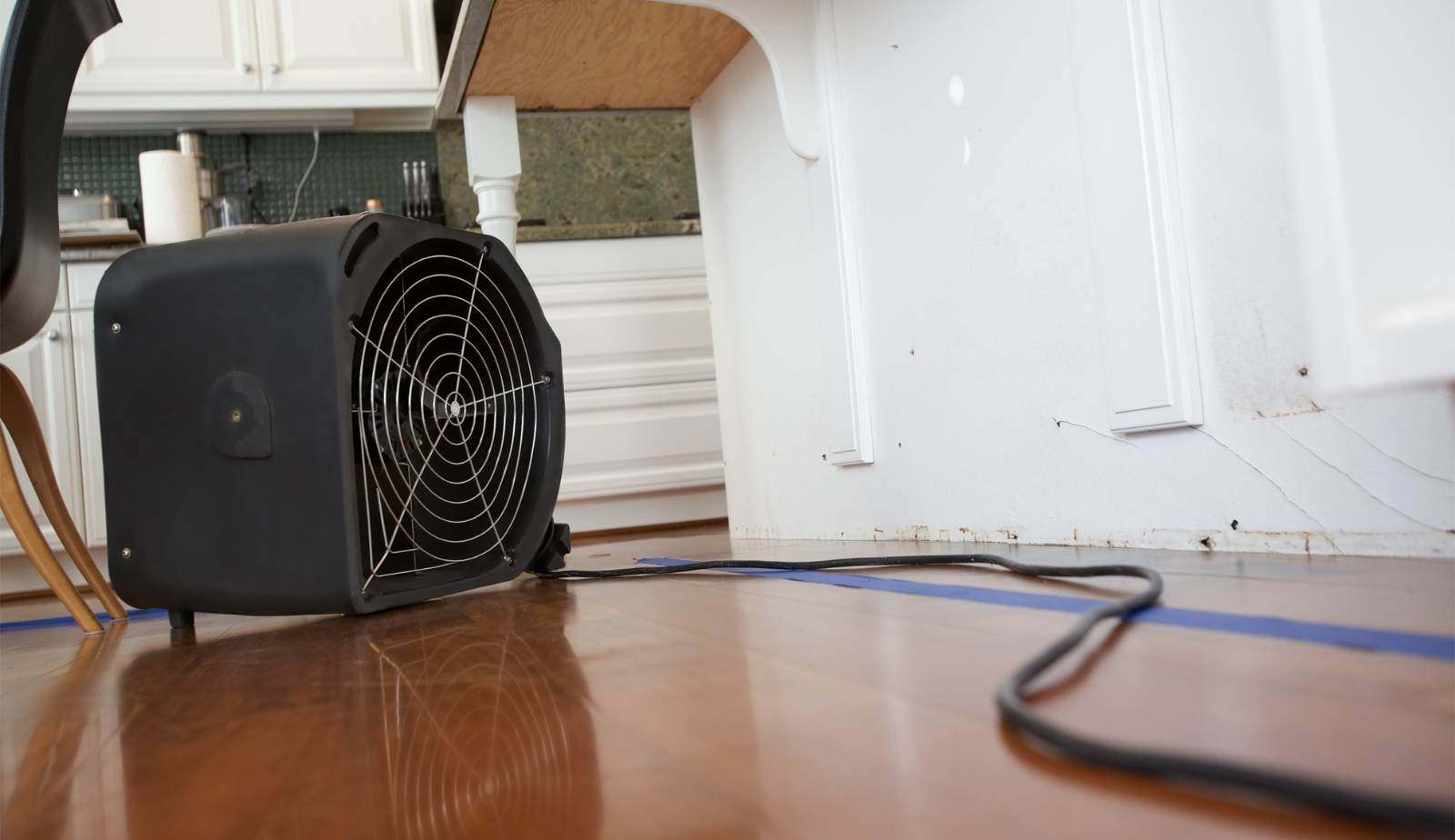
This is why professional structural drying involves more than just fans. We use LGR (Low Grain Refrigerant) dehumidifiers that are designed to pull gallons of water out of the air every day. A standard home dehumidifier or your AC unit simply isn’t built for this kind of load.
Beyond 72 Hours: The "Tear-Out" Reality
Once water has been sitting for more than three days in a warm environment, the restoration process changes from "drying" to "demolition." At this point, the risk of structural rot and widespread mold contamination is too high to try and save most porous materials.
Insulation inside the walls will be matted down and full of bacteria or mold. The studs may start to show signs of surface rot. Carpet padding is usually a total loss. This is also the point where we have to look closely at content cleaning for your personal belongings. Items like books, photos, and upholstered furniture that have sat in 90% humidity for three days often require specialized treatment to be saved.
 Visual: A technician in a crawlspace or attic using a flashlight to inspect damp insulation.
Why "Airing It Out" Doesn't Work in Louisiana
I’ve had many conversations with homeowners in our service areas who thought they could save money by opening the windows and putting a few shop fans on the wet spot. If we were in Arizona, that might actually work. In Southern Louisiana, it’s the worst thing you can do.
When you open a window in Alexandria or Ville Platte, you aren't letting the moisture out; you’re letting more moisture in. If the humidity outside is 80%, you are effectively feeding the mold. Professional restoration is about creating a "closed drying environment." We seal the affected area, use HEPA air scrubbers to keep the mold spores from spreading, and use industrial dehumidifiers to drop the relative humidity to levels where the materials have to give up their moisture to the air.
This is a science called psychrometrics. It’s the study of the relationship between air, moisture, and temperature. We use it every day to figure out exactly how many air movers and dehumidifiers a house needs to dry out before the mold takes over. For more on this, checking out why dehumidifiers help and when they don’t can give you a better idea of the balance required.
The Slab Leak and Crawlspace Factor
In our part of the state, we have a lot of homes built on slabs and many older homes with pier-and-beam foundations. Both present unique challenges for water damage.
With a slab leak, the water can travel under the floor for weeks before you ever see a wet spot on your carpet. By the time it surfaces, the entire subfloor is likely saturated. In pier-and-beam homes, water trapped in the crawlspace is a nightmare. The humidity gets trapped under the house, leading to floor joist rot and mold that eventually works its way up into the living space.
If you suspect moisture under your home, understanding crawl space moisture problems is a good place to start. It’s one of those "out of sight, out of mind" issues that can cause thousands in structural damage before you even notice a musty smell in the kitchen.
 Visual: A technician using a thermal imaging camera to show a cool (wet) spot behind a kitchen cabinet.
What You Should Do Immediately
If you walk into your home and find standing water, here is the "regular guy" advice from a tech who does this every day:
- Safety First: If the water is deep enough to reach electrical outlets, do not go in. Turn off the main power at the breaker box if it’s safe to do so.
- Stop the Source: If it’s a pipe, kill the main water valve. If it’s a roof leak, get a tarp up as soon as the weather permits.
- Call the Pros: Don't wait. Even if it's the middle of the night, emergency water removal is a 24/7 reality because of the Louisiana humidity.
- Documentation: Take photos of everything for your insurance company. Don’t throw anything away until an adjuster or a restoration pro tells you to.
- Remove the "Easy" Stuff: Get area rugs, wet towels, and small furniture out of the standing water. Wood furniture legs can bleed stain into your carpet within an hour, creating a permanent mark.
 Visual: A close-up of a "furniture tab" or plastic block placed under a wooden chair leg on damp carpet to prevent staining.
Conclusion
Water damage in Louisiana is a race against the clock. The heat and humidity act as an accelerant, turning a simple plumbing leak into a complex mold and structural issue in just a couple of days.
At Drymax Water, Fire, Mold Restoration, we’ve seen what happens when homeowners wait too long. We’ve also seen how much stress and money can be saved by acting within those first 24 hours. If you’re dealing with a leak or flood in Acadiana, Lafayette, or the surrounding areas, don't assume it will dry on its own.
Check out our client reviews to see how we’ve helped your neighbors handle these situations, and if you're standing in water right now, contact us immediately. The sooner we get the equipment running, the better chance we have of saving your home.
Whether you need a full mold inspection or just want to make sure your walls are truly dry after a leak, getting professional eyes on the problem is the only way to be sure. Stay dry, Louisiana.