What To Do When Your Louisiana Home Floods After a Heavy Rainstorm
What To Do When Your Louisiana Home Floods After a Heavy Rainstorm
![[HERO] What To Do When Your Louisiana Home Floods After a Heavy Rainstorm](https://cdn.marblism.com/hGfl0bdWVQ0.webp)
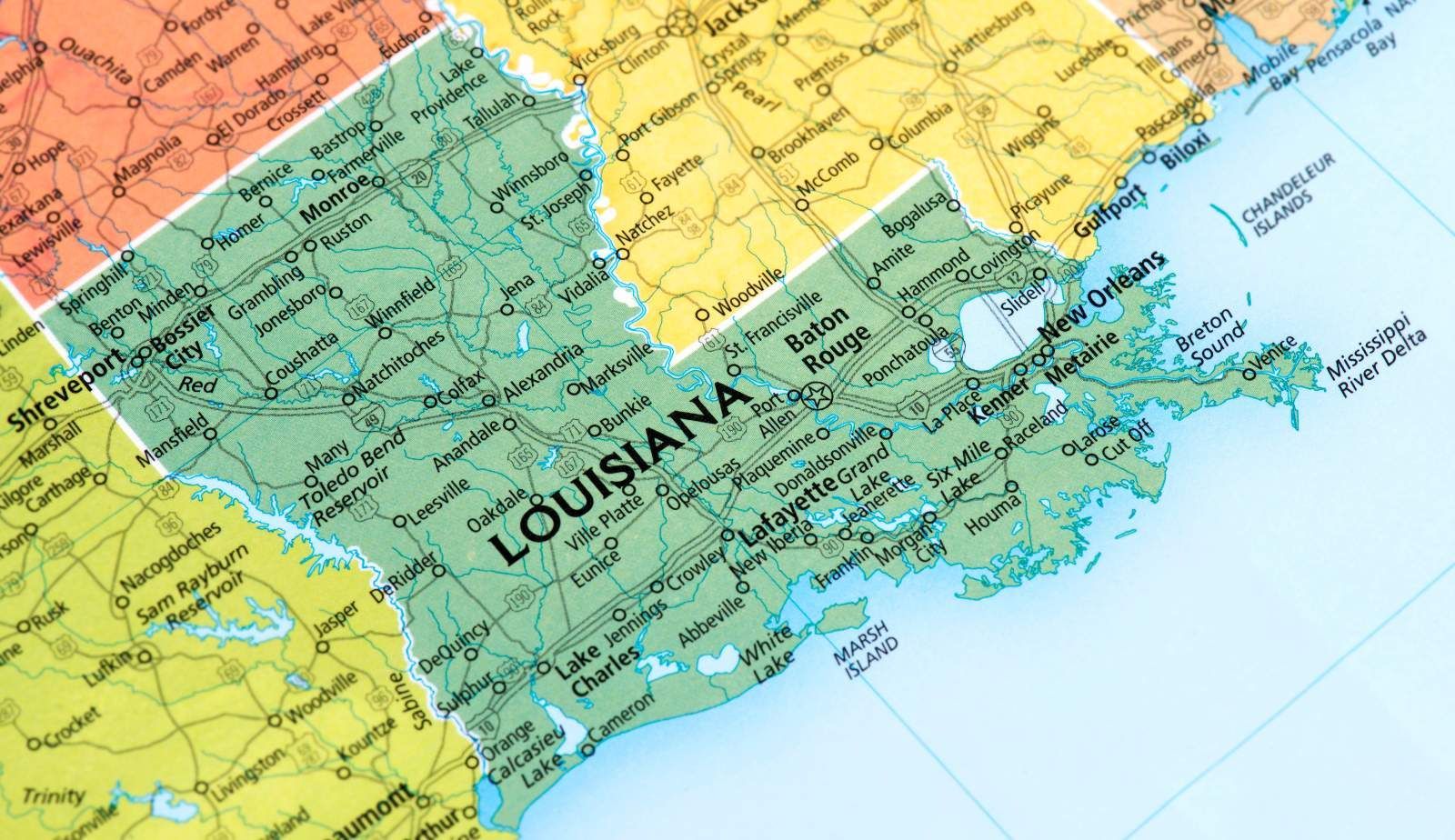
If you live in Southern Louisiana, you know the drill. Whether it’s a named storm coming off the Gulf or just one of those heavy afternoon downpours that decides to sit over Lafayette or Acadiana for three hours, water is a constant part of life here. But there is a massive difference between seeing the water rise in the street and seeing it start to seep under your front door or bubble up through the floorboards.
When your home floods, your brain usually goes into a million different directions. You’re thinking about the floors, the furniture, the insurance company, and how much this is all going to cost. As a technician who spends every day doing water damage restoration in Louisiana , I’ve seen it all. I’ve walked into homes in Ville Platte where the water was still ankle-deep and homes in Scott where the owners thought they had it dried out, only to find a forest of mold growing behind their baseboards two weeks later.
The goal here is to give you a straightforward, no-nonsense guide on exactly what to do: and what not to do: the moment you realize your house is taking on water.
1. Safety Is the Only Priority Right Now
Before you grab a mop or start moving rugs, you have to make sure you aren’t about to get electrocuted or sick.
Turn off the power. If there is standing water in your home and it’s reached the level of your electrical outlets or you have extension cords on the floor, do not walk into that water. Go to the breaker box and shut everything down. If you can’t get to the breaker box without standing in water, call an electrician or the utility company. It isn't worth the risk.
Watch out for the "Gumbo" water. Floodwater in Southern Louisiana isn't just rainwater. By the time it hits your living room, it’s been through the streets, the yards, and likely the sewer system. We call this Category 3 water, or "black water." It’s full of bacteria, chemicals, and whatever else was sitting in the pipes. If your flood was caused by a sewage backup: which happens a lot during heavy rains when the city lines get overwhelmed: you need to be even more careful. Do not let kids or pets anywhere near it.
 Description: A photo showing a flooded living room with about an inch of murky water covering the hardwood floors and touching the bottom of the furniture.
2. Stop the Source (If You Can)
If the water is coming in because of a flash flood, there might not be much you can do to stop it until the rain lets up and the ground starts absorbing again. But if the flooding is coming from a backed-up drain or a failed sump pump, try to address that first. If you have sandbags, get them in place.
Once the rain stops and the water outside starts to recede, you can focus on emergency water removal. The faster we can get the bulk water out, the better your chances are of saving your materials.
3. Document Everything for Insurance
I know the instinct is to start cleaning immediately, but you need to take photos and videos first. Your insurance adjuster is going to want to see the "before."
- Take wide shots of every room.
- Take close-ups of the water line against the walls.
- Document damaged furniture, electronics, and personal items.
- Don't throw anything away yet. If you have to move ruined items outside to start drying the house, keep them in a pile in the yard or garage so the adjuster can see them.
Once you have your photos, call your insurance agent. But don’t wait for them to show up before you start the cleanup. Most policies actually require you to take "reasonable steps" to prevent further damage. Waiting three days for an adjuster to arrive while the water sits in your carpet is the fastest way to get a mold problem that might not be fully covered.
4. The 24-48 Hour Window: Why Speed Matters
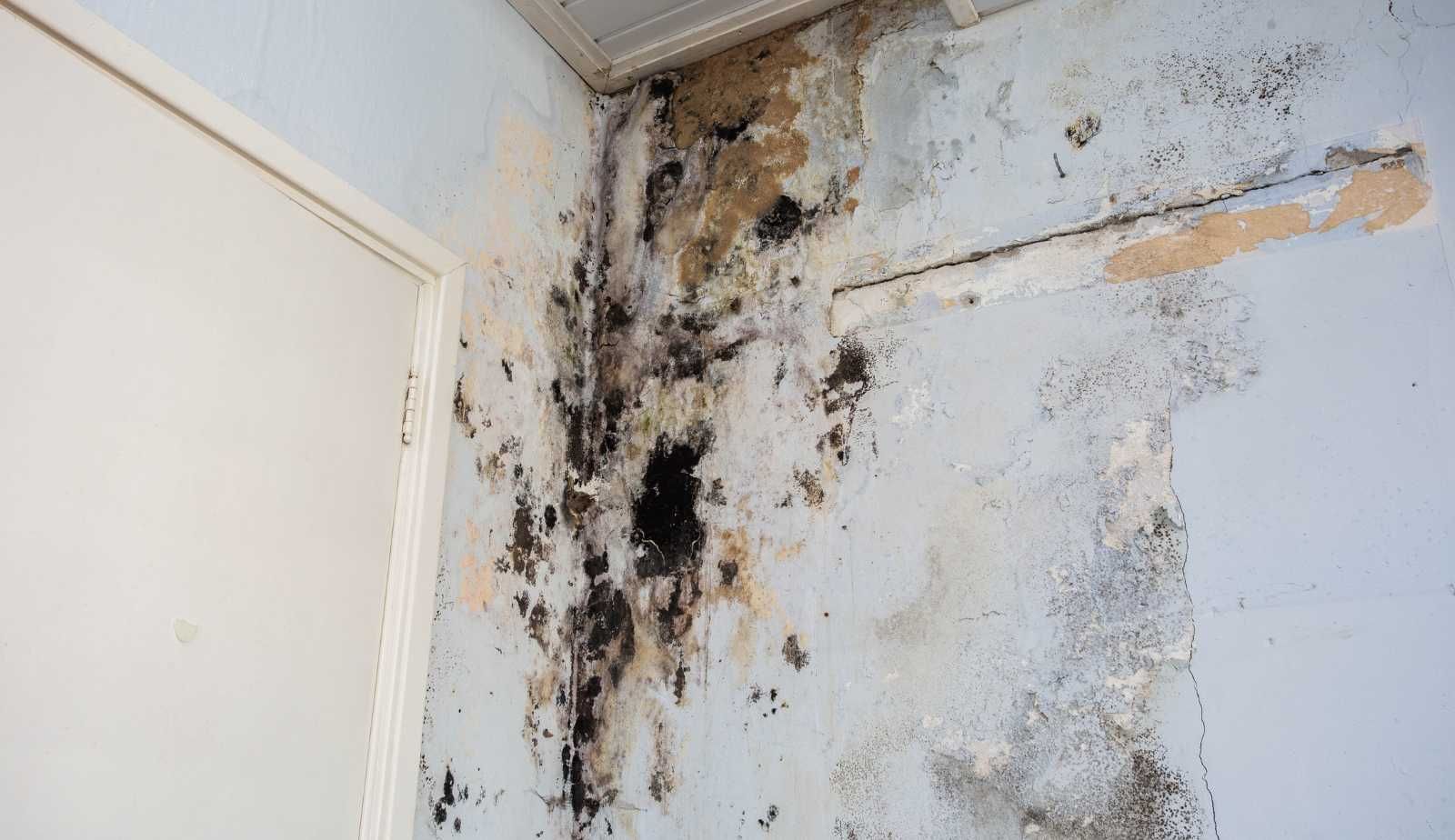
In the world of flood cleanup in Southern Louisiana, time is our biggest enemy. We live in a giant humid sponge. When you add floodwater to a house that’s already sitting in 80% humidity, you have a recipe for mold growth.
Mold spores are everywhere, but they need moisture to start growing. Usually, you have about 24 to 48 hours before mold starts to take hold on wet drywall, wood, and carpet. If the air conditioning is off because the power is out, that window shrinks.
This is why we stress the importance of professional drying. Getting the standing water out is just step one. It’s the moisture you can’t see that causes the long-term problems. For more details on what happens if things don't dry out properly, you can read about what happens if mold is found in your home.
5. Get the Bulk Water Out
If it’s safe and the power is on (and the water isn't contaminated with sewage), you can start using a wet/dry vac to get the bulk water out. If you’re dealing with a large amount of water, you might need a submersible pump.
At Drymax, we use high-powered extraction units that pull way more water out of carpet and pads than any shop-vac ever could. If you’re in our service areas , like Lafayette or the surrounding parishes, getting a pro out there with the right gear can save you from having to tear out your entire floor later.
 Description: A professional-grade water extraction tool being used on a wet carpet to pull deep-seated moisture out of the padding.
6. The "Regular Guy" Guide to Drying Your House
This is where a lot of people make mistakes. They think if they put a couple of box fans on the floor and open the windows, the house will dry out. In Louisiana, opening the windows during a rainstorm just brings in more humidity.
The Baseboard Trick: Water doesn't just sit on the floor; it wicks up into the walls. If your walls are wet, you usually need to remove the baseboards. This allows air to get behind the drywall and start drying the wooden studs. Sometimes we even have to drill "weep holes" or cut away a few inches of drywall (a "flood cut") to make sure the wall cavity isn't a breeding ground for mold.
Air Movement vs. Dehumidification: Fans move air, which helps moisture evaporate. But that evaporated moisture is now just hanging out in the air inside your house. If you don't remove that moisture from the air, it will just soak back into the ceiling or other dry materials. This is why we use LGR (Low Grain Refrigerant) dehumidifiers. These aren't the little units you buy at a big-box store. They are designed to pull gallons of water out of the air every day, even in high-humidity environments.
If you’re wondering why your DIY efforts aren't working, check out this guide on why dehumidifiers help and when they don’t.
7. Common Mistakes to Avoid
Working in water damage restoration in Louisiana , I see people try to save money by cutting corners, and it almost always ends up costing them double in the long run.
- Leaving the carpet pad: If your carpet got soaked with floodwater, the pad underneath is like a giant sponge. You can almost never get a pad dry before mold starts growing. In most cases, the pad needs to go.
- Assuming it’s dry because it "feels" dry: Your hand is not a moisture meter. I’ve walked into rooms that felt bone-dry to the touch, but my moisture meter showed that the bottom of the 2x4 studs behind the wall were still at 30% moisture content. That’s a mold colony waiting to happen.
- Using bleach on everything: Bleach is great for hard surfaces like tile, but it’s not the magic bullet for porous materials like wood or drywall. In fact, on wood, the water in the bleach can actually feed the mold roots that are deeper in the grain.
- Ignoring the crawl space: If your home is on a pier-and-beam foundation, don't forget to check underneath. Standing water in a crawl space will cause moisture to rise through the subfloor, leading to cupped hardwood floors and mold. For a deeper dive, read about crawl space moisture problems explained.
8. Dealing with Your Stuff (Contents)
It’s not just the house; it’s your belongings. Some things are easy to save: like solid wood furniture that just needs to be wiped down and dried. Other things, like upholstered couches or mattresses that sat in Category 3 floodwater, are usually a total loss because of the bacteria.
For items that are sentimental or valuable, we offer contents cleaning. We can often save things like electronics, documents, and certain textiles using specialized cleaning processes. The key is to get them out of the wet environment as soon as possible. Don't let your grandmother’s antique dresser sit in a puddle for three days.
 Description: A technician wearing gloves carefully inspecting a piece of wooden furniture for water damage and wiping it down.
9. When to Call the Pros
If you have more than a tiny splash of water, you should at least talk to a professional. A quick contact can save you a lot of headaches. We can come out with thermal imaging cameras and moisture meters to tell you exactly how far the water traveled.
In Southern Louisiana, we deal with "secondary damage." That’s the damage that happens after the flood. It’s the mold, the warped floors, and the musty smell that never goes away. If you don't handle the initial dry-out correctly, you’ll be looking for mold services much sooner than you think.
If you are worried that you might already have a problem because of a previous storm, it might be worth looking into when mold testing makes sense.
The Bottom Line
Flooding is stressful, but it's manageable if you act fast and don't skip steps.
- Stay safe. Electricity and contaminated water are real threats.
- Take photos. You need them for your claim.
- Extract the water. Use the best equipment you can get your hands on.
- Dry it deep. Don't just dry the surface; get the air moving inside the walls.
- Monitor the progress. Keep checking moisture levels until they are back to normal.
We live in a beautiful part of the country, but the weather here plays for keeps. Whether you're in Lafayette, Acadiana, or anywhere in Southern Louisiana, Drymax Restoration is here to help you get your home back to the way it was. We’ve been through these storms ourselves, and we know how important it is to get back to "normal" as quickly as possible.
If you’re standing in water right now, stop reading and give us a call. The sooner we start the fans, the sooner you can get back to your life.