Why April Showers Cause More Indoor Water Damage Than You Think in Louisiana
Why April Showers Cause More Indoor Water Damage Than You Think in Louisiana
![[HERO] Why April Showers Cause More Indoor Water Damage Than You Think in Louisiana](https://cdn.marblism.com/gkY8ignHAMy.webp)
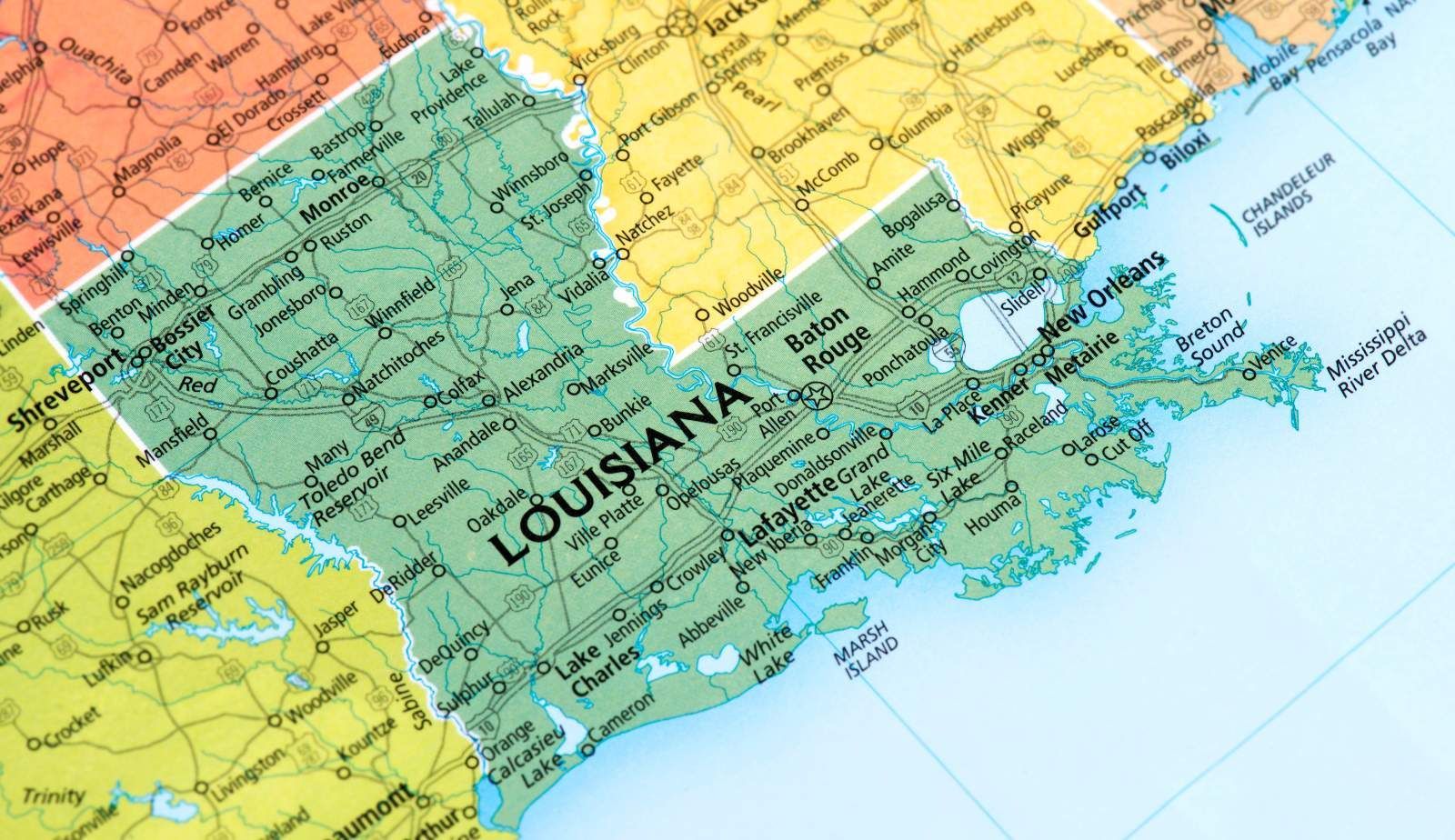
April in Southern Louisiana usually means one thing: the rain starts and it doesn’t really stop. Around here, we don't just get those light, misty showers they talk about in other parts of the country. We get downpours that turn backyards in Lafayette into ponds and city streets in Alexandria into rivers. While most people are focused on their lawns or their commute, those of us in the restoration business are looking at something else. We see the way that constant, relentless water starts looking for any way into your home.
In a state where the humidity rarely drops and the ground stays saturated for months at a time, "April showers" are often the starting point for some of the most expensive indoor water damage we see all year. It’s not always a massive flood that does the most damage; often, it’s the slow, steady intrusion of water that goes unnoticed until the smell of mold starts coming through the vents.
The Ground Saturation Problem: Slabs vs. Pier and Beam
Louisiana homes are built a little differently because of our geography. Whether you’re on a concrete slab in a newer development in Acadiana or living in a classic pier and beam house in Ville Platte, the April rains affect you differently.
For slab-on-grade homes, the biggest issue is hydrostatic pressure. When we get days of heavy rain, the soil around your foundation becomes completely saturated. That water has nowhere to go. It starts pushing against the side of your slab and looking for tiny cracks or gaps where the plumbing comes through the floor. Once that water finds a way in, it doesn’t just sit on top of the concrete. It spreads out under your laminate, hardwood, or carpet padding, staying trapped where it can’t evaporate.
In pier and beam houses, the problem is often underneath you. April rains turn crawlspaces into swamps. If your property doesn't have perfect drainage, water pools under the house. Because our humidity is so high, that standing water doesn't just dry up on its own. Instead, it evaporates upward into the wooden floor joists and the subfloor. This leads to cupping floors and, eventually, structural rot.
 A simple photo showing water pooling near a home's foundation during a heavy rainstorm, illustrating poor drainage.
Why "Wicking" is Your Biggest Enemy
When we walk into a home after a heavy rain, one of the first things we do is pull out a moisture meter. Homeowners often point to a small wet spot on the carpet and think that’s the extent of the problem. What they don't see is the "wicking" effect.
Think of your drywall like a giant sponge. If the bottom inch of that drywall gets wet, the water doesn't just stay there. Through capillary action, the moisture begins to climb. It travels up the wall studs and the back side of the drywall. By the time you see a faint yellow stain on the baseboard, the water might have already climbed 12 or 18 inches up inside the wall cavity.
This is why "just mopping it up" doesn't work. You can dry the surface of the floor with a towel, but the moisture trapped inside the wall is still there. In the Southern Louisiana heat, that trapped moisture creates a literal greenhouse for mold growth behind your walls. If you've had water move across a floor, checking the water damage levels inside the wall is the only way to know if the house is actually dry.
The 24-48 Hour Window: Mold Doesn’t Wait
In drier states, you might have a few days to figure out a plan when a leak happens. In Louisiana, you have about 24 to 48 hours before mold spores start to colonize. Our natural environment is already high in mold counts; all they need is a little bit of food (like the paper on your drywall) and a consistent source of moisture (like April rain) to start growing.
If a roof leak starts in your attic during an April storm, that water travels down the rafters and settles into the insulation. Most people don't go into their attics every day. By the time you notice a drip coming through a ceiling light fixture, the mold has likely been growing in the dark, humid attic space for several days.
Because mold growth happens so fast here, it’s why we treat every "small" leak like an emergency. If you can catch the moisture and get structural drying equipment in place within that first 24-hour window, you can usually prevent a massive remediation project. If you wait until you smell it, you’re likely dealing with a more complex mold-specific situation.
Small Leaks vs. Big Problems: The Humidity Factor
One of the hardest things to explain to homeowners is why a tiny drip from a window frame or a door seal is a big deal. In other climates, that water might dry out once the sun comes home. But in Southern Louisiana, our ambient humidity is often above 70% or 80%.
Air that is already saturated with moisture can't "take on" any more water. This means natural evaporation is almost non-existent inside a damp Louisiana home without help. When April showers keep the outdoor humidity high, your home’s AC system has to work overtime to pull that moisture out of the air. If you have an active leak, the AC can't keep up. The result is "secondary damage." This is when the humidity inside the house gets so high that items that weren't even touched by the leak: like your clothes, furniture, or curtains: start to feel damp and grow surface mold.
 A non-dramatic photo of a technician using a moisture meter on a baseboard that looks dry but shows high moisture levels on the screen.
Structural Drying vs. Just Using Fans
There’s a big difference between a floor being "dry to the touch" and being "structurally dry." When we talk about structural drying, we’re talking about getting the moisture out of the materials themselves: the 2x4 studs, the plywood subfloor, and the layers of drywall.
Putting a box fan on a wet spot is like trying to dry a soaked sponge by blowing a whistle at it. It might dry the very top layer, but the core remains wet. Professional restoration involves using industrial-grade dehumidifiers and high-velocity air movers positioned specifically to create a "vortex" of dry air. We have to physically pull the moisture out of the materials and into the air, where the dehumidifier can then catch it and pump it out of the house.
This is especially important for contents cleaning. Your furniture and personal belongings are often made of porous materials that soak up moisture from the air. If the structure isn't dried correctly and quickly, those items can be permanently ruined by warping or mold.
Common April Entry Points We See in Louisiana
After years of doing this, we see the same patterns every spring. If you’re living in the Acadiana area or anywhere in Southern Louisiana, these are the three main areas where April showers turn into indoor headaches:
- Window and Door Flashing: Our rains often come with high winds. This "wind-driven rain" pushes water sideways. If the caulking around your windows is cracked or the flashing above your doors is old, the water gets behind the siding and runs down into the wall cavity.
- Roof Valleys and Boots: The heavy volume of April rain can overwhelm roof valleys. If there’s even a small amount of debris (like pine needles or oak leaves), the water backs up under the shingles. We also see a lot of leaks around the "boots" (the rubber seals around pipes sticking out of your roof) because the Louisiana sun cracks that rubber over time.
- Clogged Gutters: This is the simplest one, but it causes the most damage. When gutters are full, water overflows and pours directly down the side of the house, right onto the foundation. This leads back to that hydrostatic pressure problem where water is forced into the slab.
 A photo of a clogged rain gutter overflowing during a storm, with water splashing against the side of a brick house.
Why It’s Not Just About the Water
When we help a family in Lafayette or Alexandria after a storm, we’re not just looking at the water. We’re looking at the Category of that water. Rainwater is generally considered "Category 1" (clean) when it first falls, but as soon as it touches your roof, runs through your gutters, or flows across your lawn, it picks up bacteria, bird droppings, and chemicals. By the time it enters your home, it’s often "Category 2" or even "Category 3" (grossly contaminated).
This is why professional intervention matters. You aren't just drying out water; you're dealing with whatever that water brought into your living space. Cleaning and sanitizing are just as important as the drying process itself.
Protecting Your Home This Spring
The best thing you can do during the April rain season is to be proactive. Walk around your house during a downpour. Look at where the water is going. Is it pooling against the house? Are your gutters working? If you see a spot on your ceiling or a damp baseboard, don't wait for it to stop raining to check it out.
If you do find moisture, the faster you act, the less damage you’ll have to deal with. We cover a wide range of service areas throughout the region, and we’ve seen it all. Dealing with water damage is stressful, but it's much easier to handle a wet floor today than a mold colony next week.
Whether you are in the heart of Lafayette, out in the surrounding Acadiana parishes, up in Alexandria, or over in Ville Platte, the Southern Louisiana climate doesn't give you much room for error when it comes to moisture. If you’ve got a leak that’s more than you can handle, or if you’re smelling that "musty" April smell and aren't sure where it's coming from, feel free to contact us. We can help you figure out exactly what’s going on behind the walls before a small leak turns into a big problem.