Why Your Home Smells Musty After Spring Rain, and What It Means
Why Your Home Smells Musty After Spring Rain, and What It Means
![[HERO] Why Your Home Smells Musty After Spring Rain, and What It Means](https://cdn.marblism.com/hCp81UaKuLJ.webp)
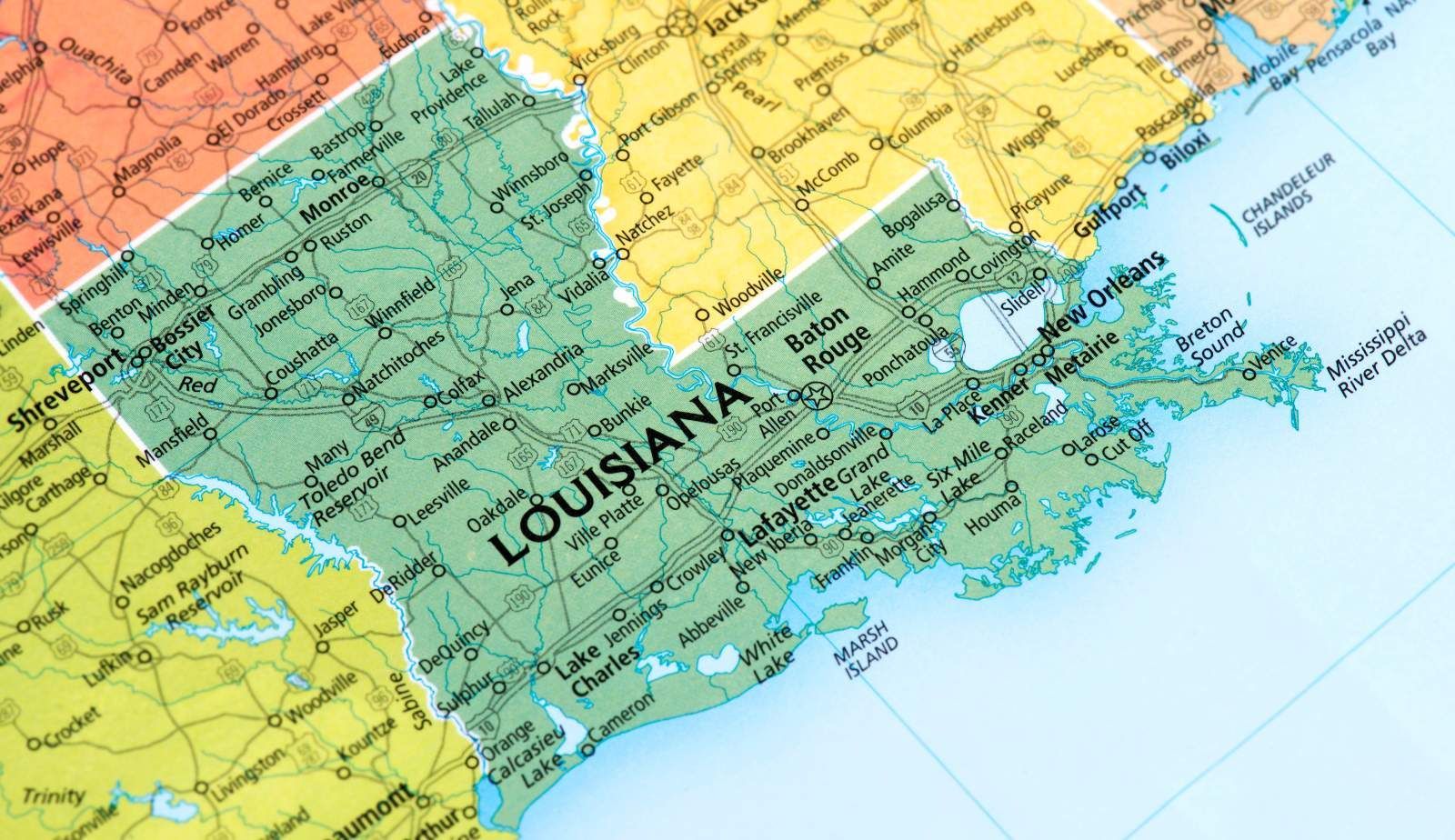
If you live anywhere in Southern Louisiana, whether you’re in a ranch-style house in Lafayette, an older home in Alexandria, or out near Ville Platte, you know the routine. The spring rains hit, the humidity spikes to about 110%, and suddenly, your living room smells like a locker room that hasn’t seen a breeze in three years.
As a tech who spends most of my day crawling through tight spaces and poking around wet drywall, I hear it all the time: "It only smells like this when it rains, so it’s probably just the damp air, right?"
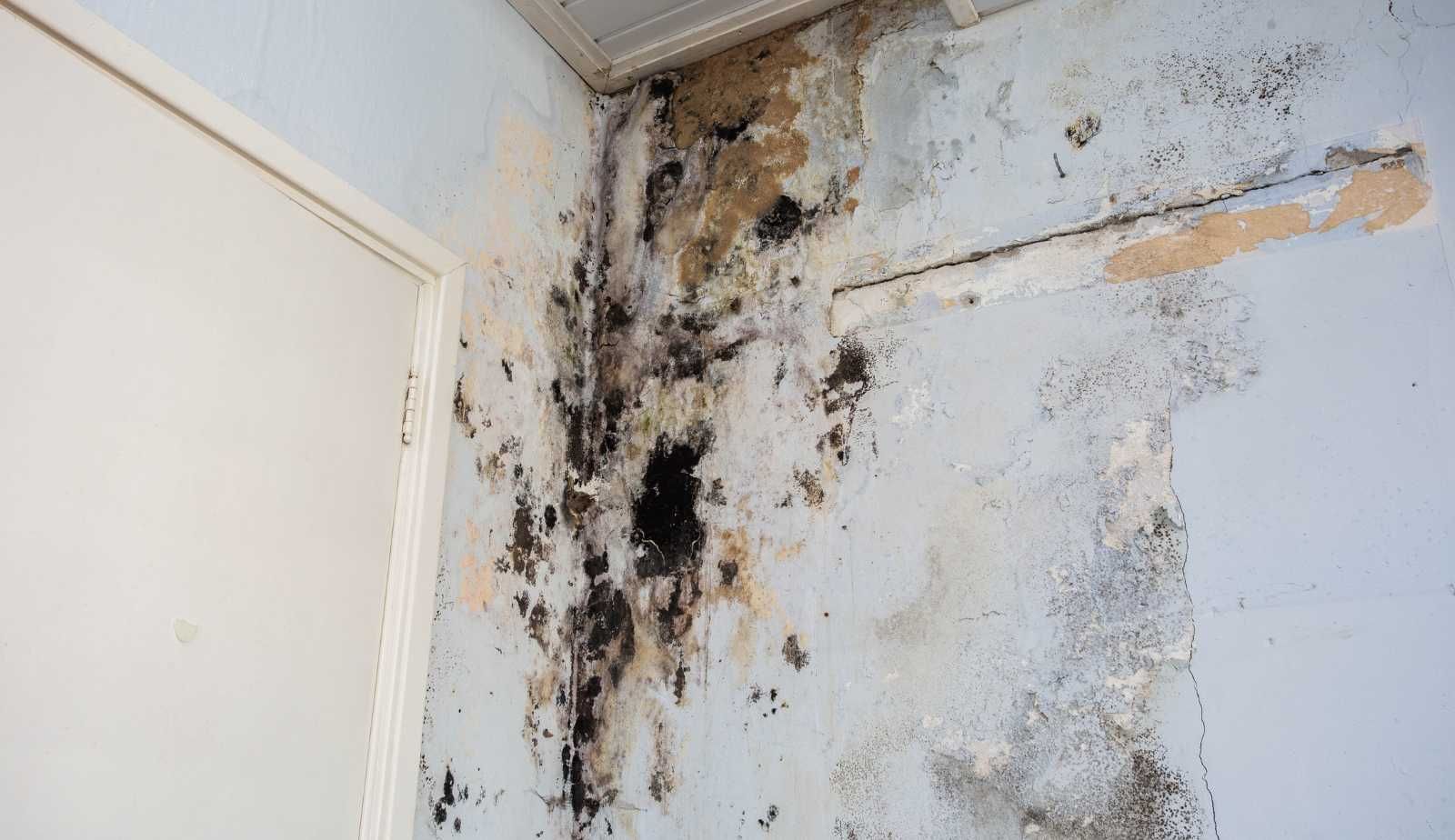
Actually, no. That smell isn't just "the outdoors coming in." It’s a specific biological reaction happening inside your walls, under your floors, or above your head. In our line of work, we call that smell a "warning shot." It’s your house telling you that something is growing where it shouldn't.
What is That Musty Smell, Exactly?
Let’s skip the marketing fluff and get into the science of it. That musty, earthy, or "old book" smell is actually caused by MVOCs. That stands for Microbial Volatile Organic Compounds.
Think of it this way: Mold is a living organism. When it finds a water source: like the moisture from a heavy Southern Louisiana downpour: it starts to eat. It eats your drywall paper, the wood studs in your walls, or the dust on your insulation. As it grows and digests these materials, it releases waste products in the form of gases. Those gases are the MVOCs.
When you smell that mustiness after a rainstorm, you aren't smelling the rain. You are smelling the "exhaust" of active mold growth. If the smell is there, the mold is active. If the smell goes away when the sun comes out, it doesn’t mean the mold is gone; it just means it’s gone dormant until the next time it gets a drink. This is why spring rains in Southern Louisiana are such a huge catalyst for indoor air quality issues.
 A non-dramatic photo of a technician using a moisture meter on a baseboard near a window where a musty smell was reported.
The Louisiana Equation: Rain + Humidity + Vapor Pressure
In other parts of the country, a rainstorm happens, the clouds clear, and the air dries out. That’s not how it works in the Acadiana area. Here, the rain stops and the humidity stays trapped against the ground. This creates a massive amount of vapor pressure.
Vapor pressure is a fancy way of saying that moisture always moves from a high-concentration area (the wet, hot outdoors) to a low-concentration area (your cool, dry, air-conditioned home). Your AC acts like a giant vacuum for moisture. When the ground is saturated after a spring storm, that water wants to get inside your house.
It doesn't even need a "leak" in the traditional sense. It can move through solid brick, concrete slabs, and wooden siding through a process called capillary action. Once that moisture hits the back of your cool drywall, it condenses. Now you’ve got a dark, wet, warm space inside your wall. That is the "Perfect Storm" for mold.
Why Your Home's Structure Matters
In Southern Louisiana, we see two main types of residential construction, and both react to rain differently:
1. Slab-on-Grade Homes
Most newer homes in Alexandria and Lafayette are built on concrete slabs. During heavy rains, the soil around the slab becomes saturated. If your gutters are clogged or the ground isn’t graded away from the house, water pools against the slab. Concrete is porous: it’s basically a hard sponge. Moisture wicks up through the slab and gets trapped under your flooring. This is why you might smell that mustiness specifically near your baseboards.
2. Pier and Beam Homes
Older homes, common in places like the historic districts of Lafayette or rural Ville Platte, are often raised on piers. You’d think being off the ground would help, but it often creates a different problem. Rainwater pools in the crawlspace, and the high humidity gets trapped under the house. That moisture rises through the subfloor and into your insulation. If you’ve got a musty smell and your floors feel slightly "soft" or "tacky" after a rain, the crawlspace is likely the culprit. This is a primary reason people look into water damage services before the structural integrity of the home is compromised.
 An image showing a damp crawlspace under a Southern Louisiana home with water pooling on the plastic vapor barrier.
Common Hiding Spots for That Post-Rain Odor
When I walk into a house that "smells funny" after a storm, I usually head to the same four spots. These are the usual suspects:
- The Baseboards: If water is wicking up from the slab or leaking behind the siding, it collects at the bottom of the wall. By the time you see a stain on the drywall, the mold has likely been growing on the back of the board for weeks.
- The Attic: A tiny roof leak might not drip on your head, but it will soak the insulation. Wet insulation stays wet for a long time and is a massive source of MVOCs. Check out why April showers cause more indoor water damage than most people realize: it's often these hidden attic leaks.
- Windows and Doors: In Louisiana, we get "sideways rain." If the seals around your windows are old, water gets pushed into the window frame and sits there.
- Behind Large Furniture: If you have a couch or a bed pushed up against an exterior wall, there’s no airflow. The vapor pressure pushes moisture through the wall, it condenses behind the furniture, and because the air can’t circulate, it stays damp and grows mold.
Why "Airing It Out" Usually Fails in Louisiana
In a drier climate, you might open the windows to "let the house breathe" after a rain. In Southern Louisiana, that is the worst thing you can do. When you open those windows, you’re just letting in 90% humidity air. Your drywall, carpets, and furniture will soak up that moisture like a sponge.
If you have a musty smell, you don't need "fresh" air: you need dry air. The first thing we tell homeowners in our service areas is to check their indoor humidity levels. If your home is consistently above 55% or 60% humidity inside, you are providing the water that mold needs to thrive.
 A technician pointing at a hygrometer showing high indoor humidity levels inside a residential home.
How We Track Down the Source
When we come out to a home, we aren't just guessing based on our noses. We use tools to find the moisture that your eyes can't see.
- Thermal Imaging: We use infrared cameras to look for temperature differences in your walls. Wet spots are cooler than dry spots. If we see a purple streak on the camera behind your wall, we know exactly where the water is coming in.
- Moisture Meters: We have "penetrating" and "non-penetrating" meters. We can touch a wall or a floor and see exactly how much moisture is held inside the material.
- Hygrometers: These measure the temperature and relative humidity in different parts of the house to see if your AC system is actually doing its job or if there’s a localized pocket of high humidity.
If we find that mold has already taken hold, it’s not just about cleaning the surface. It’s about removing the moisture source and properly remediating the growth so it doesn't come back. For deep-seated odors in fabrics or personal items, we often utilize contents cleaning to get the smell out of your belongings.
Is the Smell Dangerous?
I’m a technician, not a doctor, so I don't give medical advice. But I can tell you what I see. When homes have high MVOC levels, people often complain about headaches, scratchy throats, or "sinus issues" that magically get better when they leave the house.
The smell is a chemical signal. It's telling you that the air quality has been compromised. If you have kids, elderly parents, or anyone with asthma in the house, that "musty spring smell" is something you want to take seriously. You can find more detailed technical info on the fungal side of things over at Drymax Mold.
What You Can Do Right Now
If your home in Southern Louisiana smells musty after a rain, don't wait for it to "just dry out." Our humidity won't allow that.
- Check your gutters: Make sure they are clear and that the downspouts are carrying water at least 5 to 10 feet away from your foundation.
- Run your AC: Make sure your thermostat is set to "Auto," not "On," so the fan doesn't blow moisture back into the house during the off-cycle.
- Check the crawlspace: If you’ve got standing water under your house, you need to address it before it rots your floor joists.
- Don't use bleach: Bleach is mostly water. If you spray it on mold on a porous surface (like drywall), the chlorine stays on top, and the water soaks in, actually feeding the mold roots.
If the smell persists for more than a day or two after the rain stops, the moisture is likely trapped inside a building material. At that point, you need a professional to find the source before a small problem turns into a full-scale remediation project.
Bottom line: That musty smell isn't a normal part of Louisiana springtime. It’s a sign of a moisture problem that’s currently feeding mold growth.
If you're smelling something off and want someone to take a look with the right tools, feel free to contact us. We’re out in the Lafayette, Alexandria, and Acadiana areas every day, and we’d rather help you catch a small leak now than a big mold problem later.
 A simple photo of a Drymax technician standing in front of a service truck, ready to head out to an inspection.