Why Louisiana Bathrooms and Attics Become Mold Hotspots This Time of Year
Why Louisiana Bathrooms and Attics Become Mold Hotspots This Time of Year
![[HERO] Why Louisiana Bathrooms and Attics Become Mold Hotspots This Time of Year](https://cdn.marblism.com/3452EpcnUCZ.webp)
It is mid-May in Southern Louisiana, and if you have lived in Lafayette, Baton Rouge, or anywhere in the Acadiana region for more than a week, you know exactly what is happening outside. The heat is starting to crank up, but it is the humidity that really gets you. We are hitting that "sweet spot" where the outdoor humidity stays parked between 70% and 80% nearly every day.
For those of us at Drymax Restoration, this is the time of year when our phones start ringing off the hook. Most people think mold is a mid-summer problem, but it actually starts right now. When that heavy, wet Louisiana air meets the cool air inside your home, things start to happen in the places you rarely look: your bathrooms and your attics.
As a technician who spends all day crawling through tight spaces and testing walls, I see the same patterns every year. Mold does not just appear by magic; it needs a specific recipe to grow. Right now, Louisiana is providing all the ingredients.
The Louisiana "Juice": Why May is Mold Season
Mold needs three things to thrive: a food source, the right temperature, and moisture. Your house is basically a giant buffet for mold. Drywall, wood framing, and the paper backing on insulation are all "mold food." The temperature inside most homes in Ville Platte or Lafayette is kept right in the range mold likes.
The missing piece is the "juice": the moisture. In May, we stop opening windows and start cranking the AC. This creates a massive temperature difference between the inside and the outside of your house. When that 80% humidity hits a cold surface, it turns into liquid water. That is called condensation, and in the world of mold remediation in Louisiana, condensation is often a bigger enemy than a plumbing leak because it happens everywhere at once, silently.
 A typical Southern Louisiana attic showing poor ventilation where soffit vents are blocked by insulation, a common cause of moisture buildup.
The Bathroom: A Daily Humidity Factory
The bathroom is the most obvious hotspot, but people often misunderstand why. Most homeowners think a little bit of mildew on the shower curtain is normal. It might be, but what we worry about is what is happening behind the scenes.
Every morning, you take a hot shower. In a place like Southern Louisiana, that steam has nowhere to go because the air outside is already saturated. If your exhaust fan is not pulling that moisture out effectively, that steam settles on your walls, your ceiling, and creeps behind your vanity.
The Problem with Exhaust Fans
I cannot tell you how many times I have inspected a home in Baton Rouge and found that the bathroom exhaust fan is just a noise-maker. Either the motor is shot, the ducting is clogged, or: worse: it vents directly into the attic instead of outside. When you vent a bathroom into an attic in Louisiana, you are basically pumping high-pressure steam into a dark, wooden box. It is a recipe for disaster.
Hidden Moisture Behind Tile and Grout
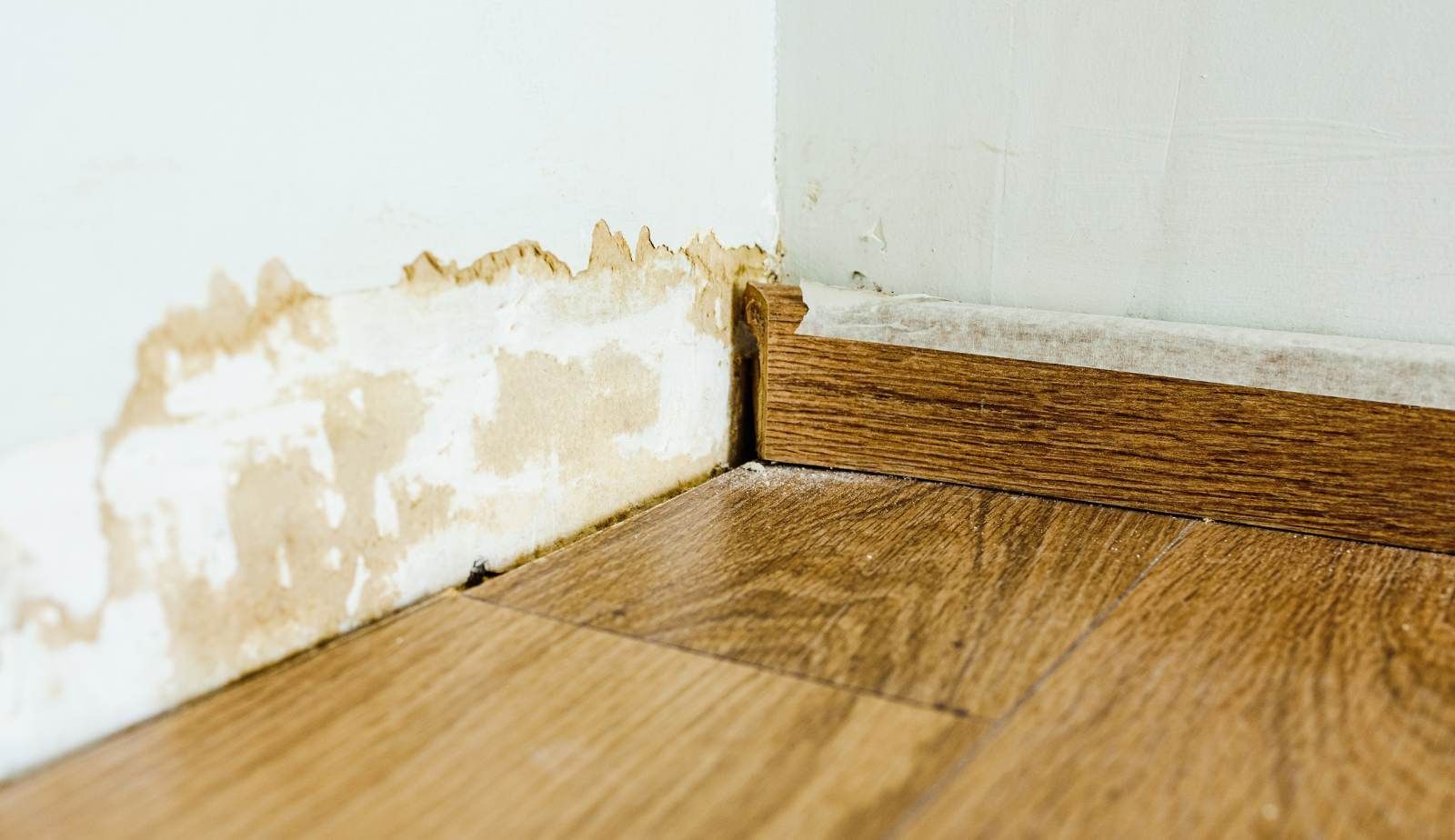
Grout is porous. If you have older tile work or cracks in your caulk, that daily shower water is seeping into the wall cavity. Once that moisture gets behind the tile and hits the drywall or the wood studs, it stays there. Because there is no airflow inside a wall, it never dries out. You might see a small dark spot on the baseboard outside the shower, but by the time you see that, the mold has likely been growing back there for months.
If you suspect you have water trapped where it shouldn't be, you need to look into emergency water removal in Louisiana before the structural wood starts to rot.
 Visible mold growth in a bathroom corner where the drywall meets the baseboard, indicating moisture trapped behind the wall.
The Attic: The Hidden Hotspot
If the bathroom is the most obvious spot, the attic is the most dangerous because nobody goes up there. In Southern Louisiana, attics can reach 130 degrees or higher in the summer.
Blocked Ventilation
Your attic is designed to breathe. Air should come in through the soffit vents (under the eaves) and exit through the ridge vent or gable vents. In many homes across Acadiana, I see insulation that has been blown in so thick that it completely blocks the soffit vents. This kills the airflow.
When the air stops moving, the humidity gets trapped. I often see "roof nails" in the attic that are rusted or dripping water. That isn't a roof leak; it is condensation. The metal nail gets cold from the AC inside the house, and the humid attic air turns into water on the nail head. That water then drips onto your insulation and your ceiling drywall. If you want to understand the difference between these issues, this guide on condensation vs. leaks breaks it down clearly.
The HVAC Connection
Your AC system usually lives in the attic. If the secondary drain pan under your unit is full of water, or if the insulation on your refrigerant lines is torn, you are adding gallons of water to your attic environment. This leads to attic mold in Southern Louisiana that can spread across the entire underside of your roof deck before you even know it is there.
Why DIY Solutions Usually Fail
When people find a patch of mold in a bathroom or a dark spot on an attic rafter, their first instinct is to grab a bottle of bleach. As a technician, I’m telling you: put the bleach away.
Bleach is mostly water. When you spray it on a porous surface like drywall or wood, the chlorine stays on the surface, but the water soaks in. You might kill the color of the mold on the surface, but you are actually "watering" the roots of the mold inside the material. A few weeks later, it comes back even stronger.
Professional mold remediation in Louisiana involves physically removing the mold and, more importantly, fixing the moisture source. If you don't fix the humidity or the leak, the mold will return every single time.
 A technician using a professional-grade moisture meter to check the moisture content of wooden framing in an attic.
The 24-48 Hour Rule
In our climate, time is your biggest enemy. If you have a pipe leak under the bathroom sink or a heavy rain pushes water through a window frame, you have a very short window to act. Mold spores are everywhere, and they only need about 24 to 48 hours of constant moisture to start colonizing a surface.
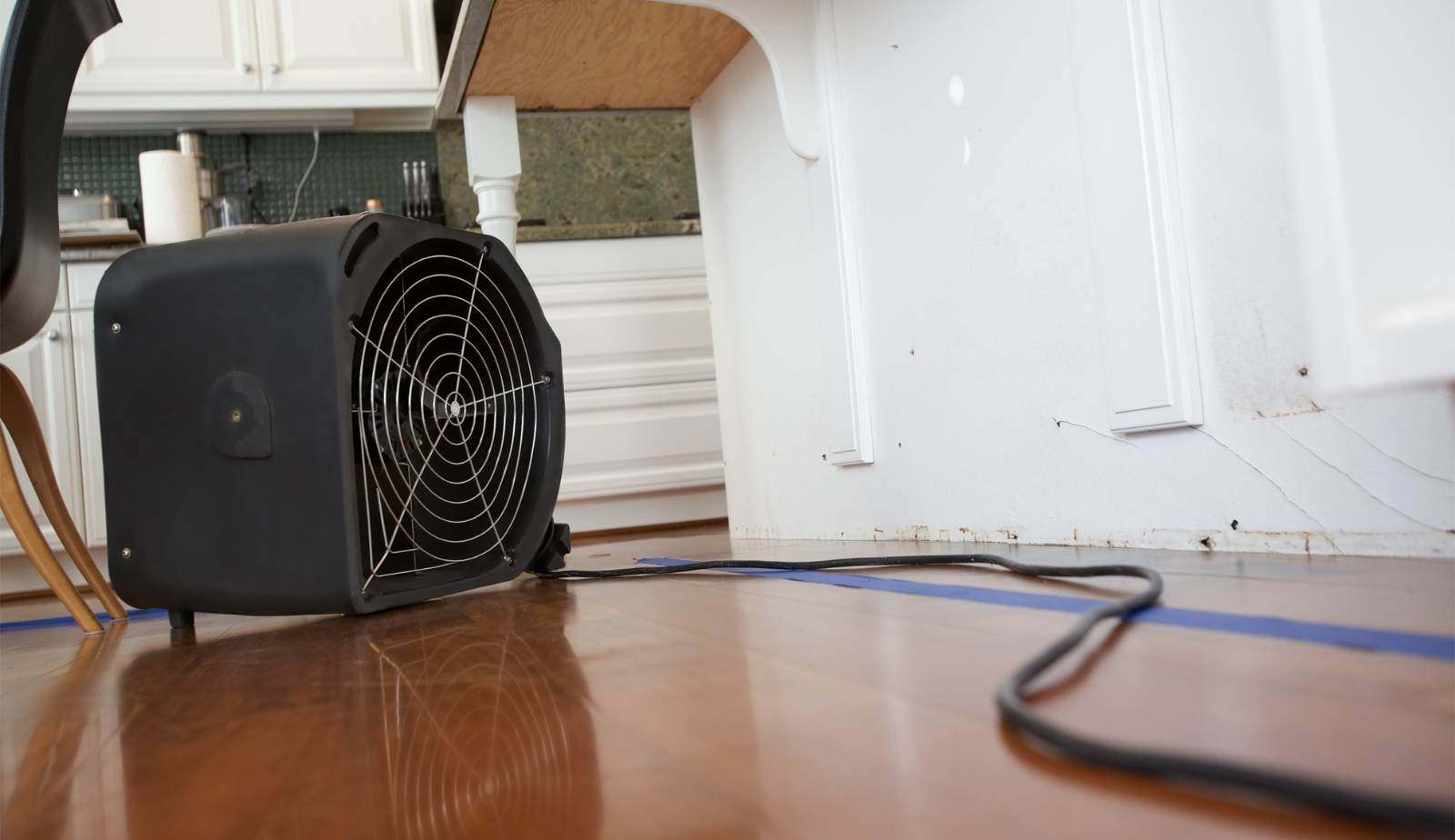
If your carpet gets wet or your drywall is soaked, you can't just "let it air dry." The humidity in Lafayette is too high for that. You need professional-grade air movers and dehumidifiers to pull that moisture out of the materials. If you wait three or four days, you are no longer looking at a simple dry-out; you are looking at a full-blown mold inspection in Lafayette LA and a much more expensive cleanup.
Pro Tips for Louisiana Homeowners
You don't need to be a scientist to protect your home. Here are a few things I tell my friends and family to do this time of year:
- Buy a Hygrometer: You can get these for $10 or $15 at any hardware store. It measures the humidity inside your house. You want to keep your indoor humidity below 50%. If it’s hitting 60% or 70% inside, your AC isn't doing its job, and mold is likely growing somewhere. For more on how this works, check out this info on why dehumidifiers help.
- The "Musty" Sniff Test: Your nose is often a better tool than your eyes. If your bathroom or a specific bedroom smells "earthy" or "musty," there is mold somewhere. Mold off-gasses as it eats, and that smell is a dead giveaway.
- Check Your Bath Fan: Take a single square of toilet paper and hold it up to the bathroom fan while it's running. If the fan doesn't hold the paper against the grate, it isn't pulling enough air. It might be time to clean the dust out of it or replace the motor.
- Look at Your AC Closet: If you have an indoor AC unit, check the floor around it. If it feels damp or the wood is discolored, you have a slow leak. This is one of the most common ways we end up doing contents cleaning for people: mold grows in the AC closet and spreads to the clothes or boxes stored nearby.
The Technical Side: What We Look For
When we come out for an inspection, we aren't just looking for fuzzy green stuff. We use thermal imaging cameras to look for "cold spots" behind walls. Water evaporates, and as it does, it cools the surface down. A thermal camera can show us a leak behind a tiled shower wall that isn't visible to the naked eye.
We also use moisture meters with pins that can tell us exactly how much water is inside a piece of wood or drywall. Anything over 15-16% moisture content in wood is a red flag. In Louisiana, we often see attic rafters hitting 20% or higher just from the humidity alone.
If we find mold, the process of what happens if mold is found in your home involves setting up containment, using HEPA air scrubbers, and safely removing the contaminated materials without spreading spores to the rest of the house.
Final Thoughts
Louisiana is a beautiful place to live, but our climate is basically a giant incubator for mold. Bathrooms and attics are the front lines of this battle. By keeping an eye on your humidity levels and acting fast when you see or smell something off, you can save yourself a lot of headaches.
If you have discovered a leak or that "musty" smell is getting stronger, don't wait for the summer heat to make it worse. Reach out to us at Drymax Restoration. We know exactly how Southern Louisiana homes are built and exactly where the mold likes to hide. Whether it's a small bathroom issue or a major attic cleanup, getting it handled the right way the first time is the only way to keep your home safe.
Don't let the "Louisiana juice" ruin your house this season. Keep it dry, keep the air moving, and if you get in over your head, give the pros a call. We're here to help our neighbors in Lafayette, Baton Rouge, and throughout the surrounding areas stay mold-free.