The Attic Moisture Trap: Why Running Your Heater 24/7 Can Cause Moisture Buildup and Mold in a Cold Louisiana Attic
The Attic Moisture Trap: Why Running Your Heater 24/7 Can Cause Moisture Buildup and Mold in a Cold Louisiana Attic
![[HERO] The Attic Moisture Trap: Why Running Your Heater 24/7 Can Cause Moisture Buildup and Mold in a Cold Louisiana Attic](https://cdn.marblism.com/E64vdTaR_y1.webp)
Down here in Southern Louisiana, we spend about ten months of the year trying to hide from the heat. We’re experts at air conditioning, humidity control, and keeping the sweat off our brows. But when those rare winter cold fronts roll through and the temperature actually stays low for a few days, we switch into survival mode. We crank the heater, throw on the extra blankets, and let the furnace run 24/7 just to keep the chill out of the house.
Most people think they’re just staying comfortable. In reality, that constant heat can trigger a building science nightmare in your attic. This is what we at DryMax Water, Fire, Mold Restoration call the "Attic Moisture Trap." It’s a situation where your efforts to stay warm downstairs actually create a tropical rainforest environment upstairs, leading to significant moisture in the attic and, eventually, a need for professional mold removal.
The Physics of the Trap
To understand why this happens, you have to look at how a house breathes. In Southern Louisiana, our homes are often built to vent heat out, but they aren't always great at handling the pressure changes that happen when we run a furnace around the clock.
When you run your heater constantly, the air inside your living space becomes warmer and lighter than the air outside. This warm air naturally wants to rise. This is called the "stack effect." As that warm air rises, it looks for any way out. It finds small gaps around recessed lights, attic pull-down stairs, plumbing stacks, and electrical wires.
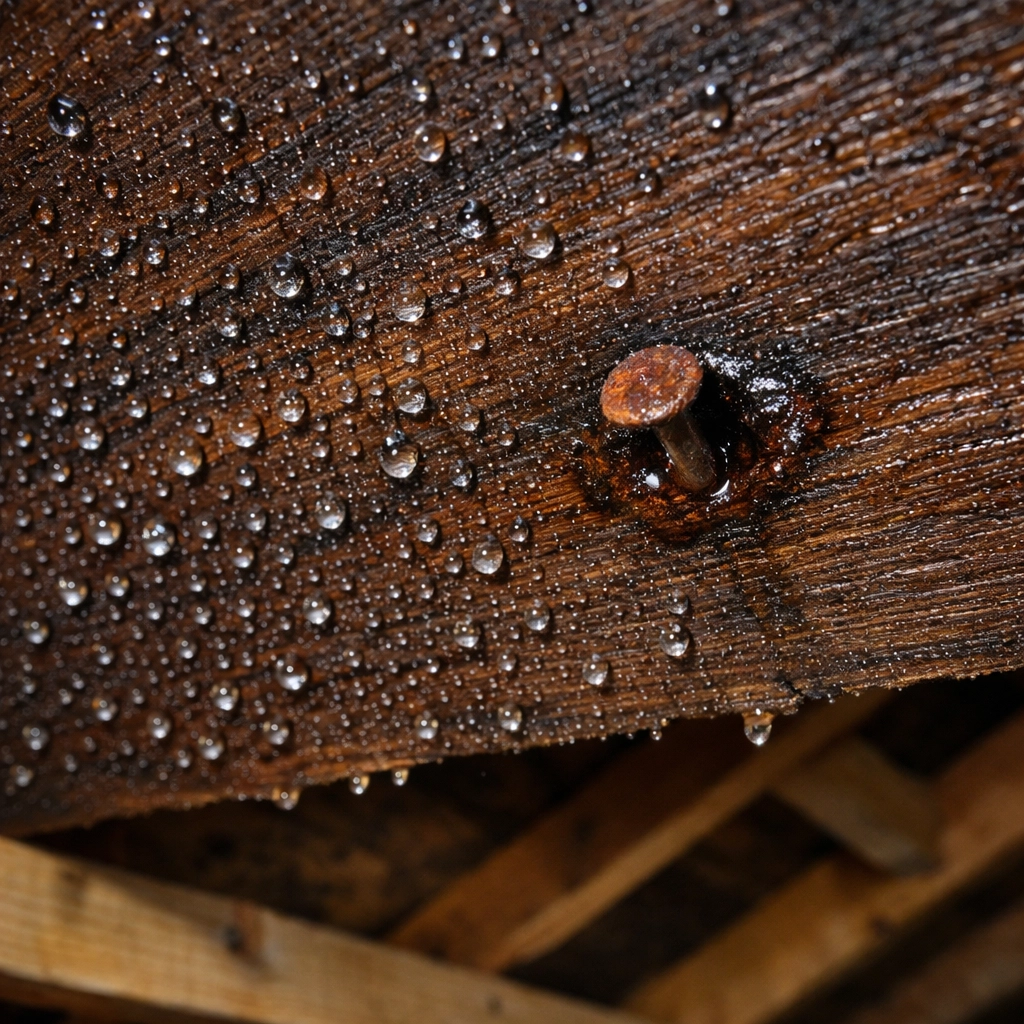
But here is the kicker: that warm air isn't just warm; it’s carrying all the moisture from your daily life, showering, cooking, and even just breathing. When that warm, humid air gets pushed into a cold attic, it hits the freezing underside of your roof deck. Just like winter humidity causes window sweat, that moisture condenses instantly on the wood.
Why Running the Heater 24/7 Makes It Worse
You might think that more heat would dry things out. In a perfect world, maybe. But in a Louisiana attic during a cold snap, the temperature of the roof decking is often below the dew point.
When the heater runs 24/7, you are essentially "pumping" moisture-laden air into the attic continuously. If your attic ventilation isn't perfect, and let’s be honest, in many older homes in areas like Lafayette or Lake Charles, it isn't, that moisture has nowhere to go. It sits on the rafters, the joists, and the plywood. Before you know it, you have standing water or frost inside your attic, which leads to structural issues and the need for water damage restoration.
This constant cycle of heating the living space while the attic stays cold creates a pressure imbalance. The harder the heater works, the more air it pulls from the bottom of the house and pushes out through the top. If you have any slab leaks or plumbing failures under the house, that moisture can also be sucked upward, adding even more fuel to the fire.
The Hidden Danger: Attic Mold
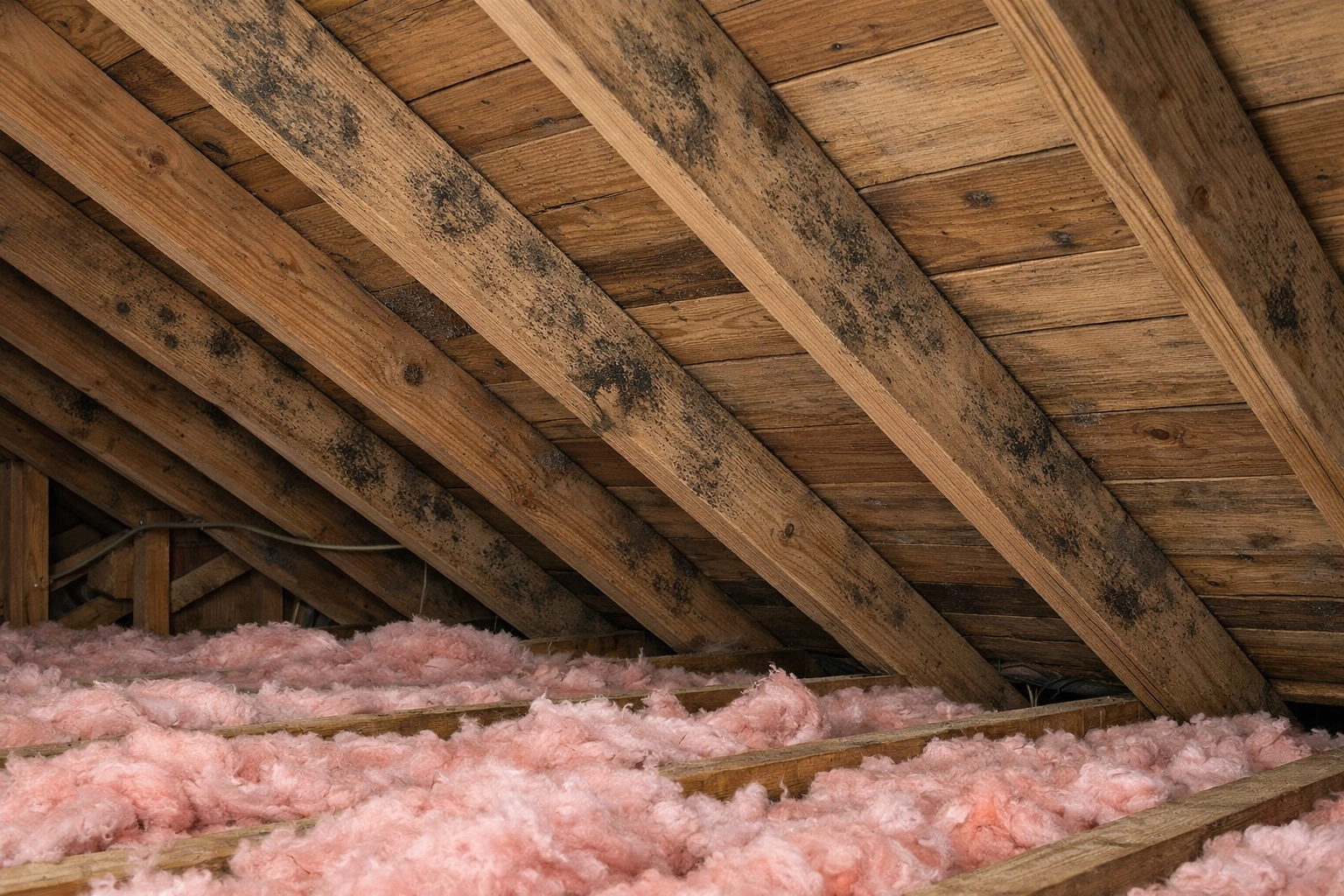
The biggest problem with the Attic Moisture Trap is that you usually don't know it's happening until you go up there to grab the Mardi Gras decorations. By then, the damage is done. Attic mold thrives in these conditions because it has everything it needs: a food source (your wood framing), moisture (the condensation), and a lack of airflow.
If you start noticing a "musty" smell in the upper floor of your home during the winter, don't ignore it. It’s often a sign that you need a professional mold inspection. Mold doesn't need months to grow; under the right conditions, it can start colonizing your attic in as little as 24 to 48 hours after the moisture settles.
Identifying the Warning Signs
Since most of us don't spend our weekends hanging out in the attic, you have to look for the "tells." Here is what to watch for when the weather stays cold in Louisiana:
- Rusty Nails: Look at the nails coming through the roof deck. If they are rusty or have "halos" of dark staining around them, water has been condensing there.
- Dark Staining on Wood: If the plywood or rafters look darker than they used to, or if there are black streaks running down the wood, that’s likely mold growth.
- Wet Insulation: If your fiberglass insulation looks matted down or has dark spots, it’s been soaking up moisture like a sponge. Once insulation gets wet, its R-value drops, making your heater work even harder, which just keeps the trap going.
- Efflorescence: On brick or masonry parts of the attic, you might see a white, powdery substance. This is salt left behind by evaporating water.
If you spot these issues, it’s time to call for a mold remediation expert. Trying to scrub it off yourself often just spreads the spores further into your HVAC system.
How to Break the Trap
You don't have to freeze just to save your attic, but you do need to be smart about how your home handles the heat. Here is how you can prevent the moisture trap from springing:
- Air Sealing: This is the most important step. You want to stop the "leakage" of warm air into the attic. Use spray foam or caulk to seal up gaps around light fixtures and pipes.
- Improve Ventilation: Make sure your soffit vents aren't blocked by insulation. A healthy attic should be close to the outside temperature. If it's too warm in the attic during winter, you don't have enough airflow.
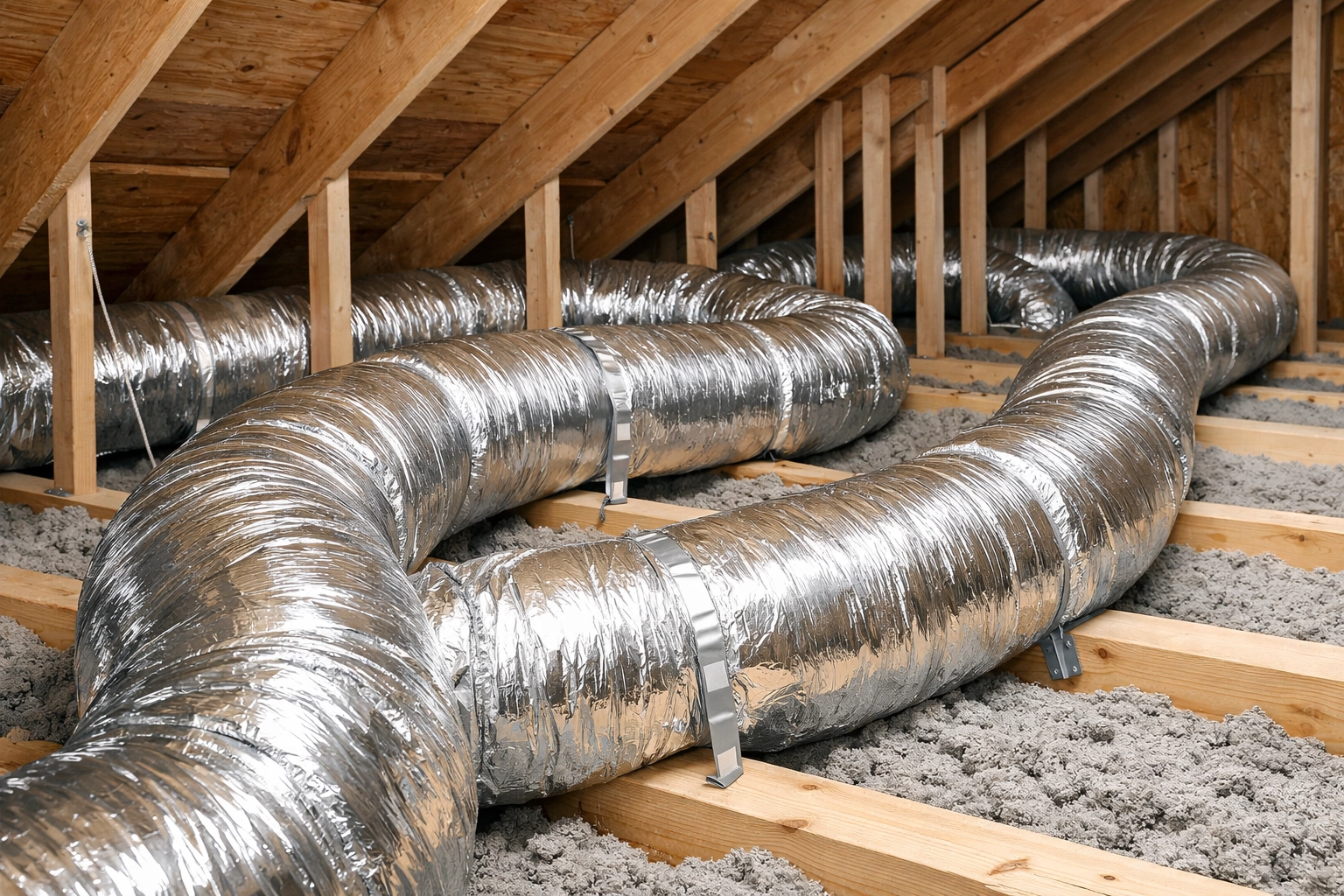
- Check Your Ductwork: If your heater is in the attic, ensure the ducts are sealed tight. Leaky ducts can dump massive amounts of warm air directly into the attic space.
- Monitor Humidity: Keep your indoor humidity between 30% and 50%. If it gets higher than that, the air you’re "leaking" into the attic is even more dangerous.
Sometimes, despite your best efforts, the moisture wins. If you find a significant leak, you might require structural drying and dehumidification to save the wood framing of your home.
When the Damage is Already Done
If you’ve discovered that your 24/7 heating habit has already caused a mess, you need a plan. Mold in an attic isn't just a cosmetic issue; it can impact the air quality of the entire home. Every time the pressure changes or the wind blows, those spores can find their way down into your living space.
At DryMax Water, Fire, Mold Restoration, we specialize in high-end mold removal and mold remediation. This isn't just about spraying some bleach and walking away. It involves setting up proper containment, using HEPA filtration to clean the air, and physically removing the mold from the wood fibers.
If your attic moisture has also ruined your stored belongings, like old photos, clothes, or furniture, you might need professional contents cleaning to salvage what’s left. Mold can be incredibly destructive to organic materials, and once it gets into fabric or paper, it takes a pro to get it out safely.
Checklist: Protecting Your Attic This Winter
Follow this simple checklist during the next Southern Louisiana cold snap:
- Check the Attic Stairs: Ensure the pull-down door is sealed and insulated. It’s one of the biggest "leaks" in the house.
- Inspect Vents: Make sure your bathroom exhaust fans vent outside , not just into the attic space. This is a common mistake that causes massive attic mold issues.
- Look for Roof Leaks: Winter rains are different than summer storms. Check for roof weak spots that might be adding to the moisture problem.
- Monitor Your Thermostat: Instead of keeping it at 75 degrees when it's 30 outside, try a more moderate 68. The smaller the temperature difference, the less pressure is put on the attic.
- Visual Check: Pop your head into the attic once a week during a long cold spell. Look for frost on the nails or damp spots on the wood.
Frequently Asked Questions
Does running a dehumidifier in the house help the attic?
Yes, indirectly. By lowering the moisture levels in your living area, the air that leaks into the attic will be drier, reducing the chance of condensation.
Can I just put more insulation in the attic to stop mold?
Actually, adding more insulation without air sealing can make the problem worse. It keeps the attic even colder, which means the roof deck stays below the dew point longer, causing more condensation.
How do I know if it's a roof leak or a moisture trap?
A roof leak usually causes localized staining. The "Moisture Trap" or condensation usually shows up as widespread spotting or dampness across the entire underside of the roof deck, often starting near the peaks or around the nails.
Is attic mold covered by insurance?
This is a tricky one. Most policies cover mold if it’s the result of a "sudden and accidental" water discharge. If it’s caused by long-term moisture buildup from poor ventilation, it might not be covered. This is why prevention is so important.
Wrapping Up
Louisiana winters are unpredictable. We might go from a t-shirt one day to a heavy coat the next. Those swings are hard on your house. While we want to stay warm, it's important to remember that the attic is the "lungs" of your home. If those lungs get filled with moisture and mold, the whole house suffers.
If you suspect your attic is caught in the moisture trap, or if you've already spotted signs of growth, don't wait for the summer heat to "dry it out." Mold won't just disappear; it will just go dormant and wait for the next humid day to explode.
DryMax Water, Fire, Mold Restoration is here to help homeowners across Southern Louisiana. From mold inspection to full-scale mold remediation, we have the tools and the experience to get your home back to a safe, dry state. We’ve seen it all, from lingering fire odors to total flood restorations.
Check out our service areas or read our customer reviews to see how we’ve helped your neighbors. If you’re worried about your attic, contact us today. We’ll give you a straight answer and a plan to fix the problem for good. Keep the heater running if you need to: just make sure your attic can handle the pressure.