Winter Humidity & Window Sweat: Why condensation on your glass is a warning sign for hidden mold behind your walls.
Winter Humidity & Window Sweat: Why condensation on your glass is a warning sign for hidden mold behind your walls
![[HERO] Winter Humidity & Window Sweat: Why condensation on your glass is a warning sign for hidden mold behind your walls](https://cdn.marblism.com/4FAs1Xan70_.webp)
If you live in Southern Louisiana, you know winter doesn't mean snowdrifts and ice storms. It means damp cold that seeps into your bones and fog that hangs around until lunchtime. And if you've noticed your windows are constantly covered in water droplets during the cooler months, you're not alone. That "window sweat" might seem harmless, just another quirk of living in a state where the air is thick enough to drink year-round, but it's actually your home waving a red flag.
That condensation isn't just annoying. It's a symptom of a bigger moisture problem that could be feeding hidden mold colonies behind your walls, inside your window frames, and in places you can't see until the damage is already done.
Why Do Windows Sweat in Louisiana Winters?
The basic science is simple: warm air holds more moisture than cold air. When that warm, humid indoor air hits the cold surface of your window glass, the water vapor condenses into liquid droplets. It's the same reason your glass of iced tea sweats on a summer day.
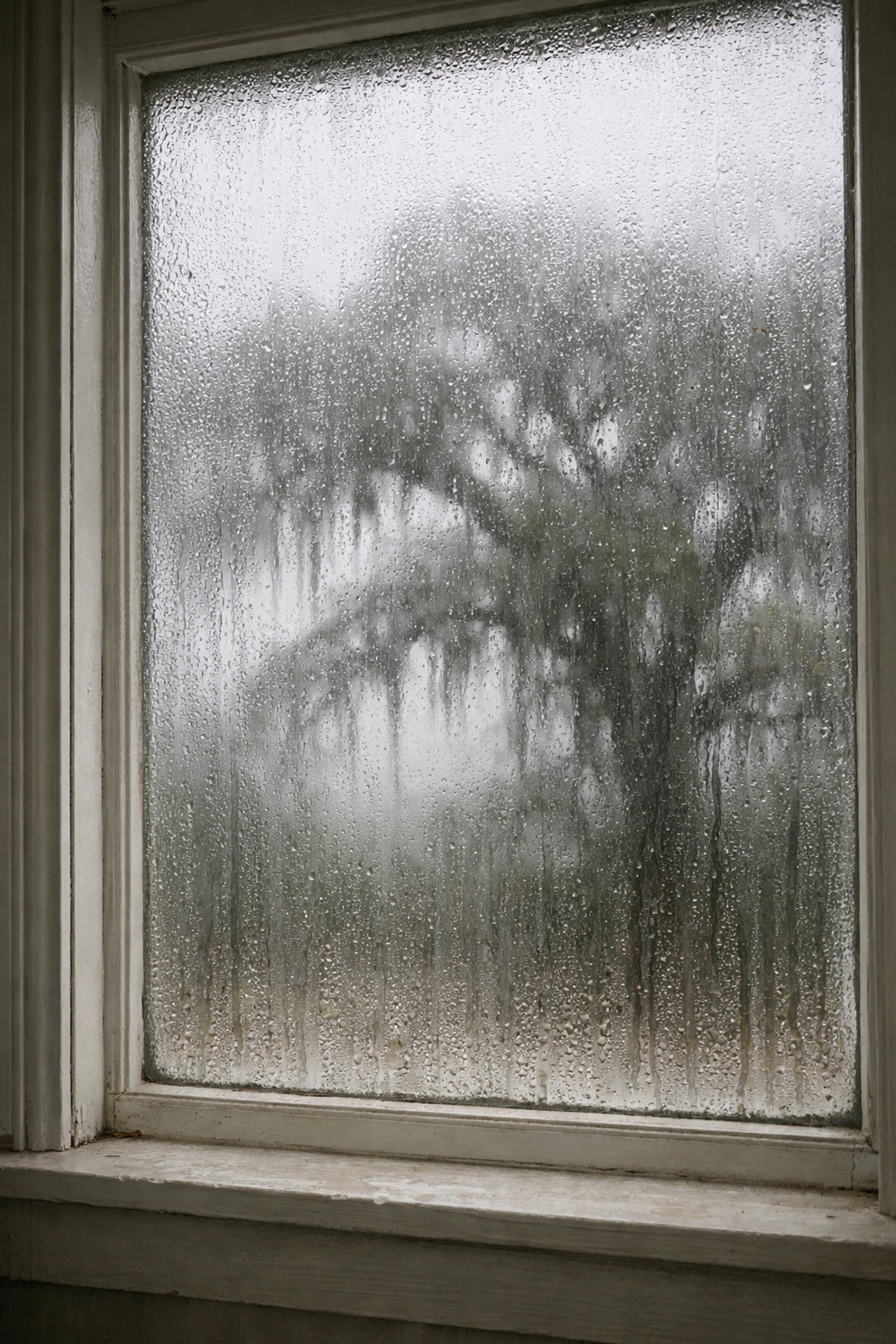
But here's where Louisiana gets tricky. Even in winter, our outdoor humidity stays relatively high, often 70% or more, especially near Lafayette, Baton Rouge, and the Acadiana region. When you turn on your heater to fight off that 40-degree morning chill, you're creating the perfect storm: warm indoor air packed with moisture meeting cold glass. The result? Rivers of water running down your windows every morning.
Cooking, showering, running the dishwasher, drying clothes indoors, even just breathing, all of these activities pump moisture into your home. Modern windows are built to be energy efficient, which is great for your power bill but also means your house is sealed up tight. That moisture has nowhere to go.
If your indoor humidity climbs above 60%, you're going to see condensation. And if it's happening on your windows, it's happening in other places too, places you can't see.
The Warning Sign: Surface Water Is Just the Start
Most people wipe down their windows and move on with their day. That's a mistake. The water you see on the glass is the least of your problems. It's the water you don't see that causes the real damage.
Think about it this way: if moisture is condensing on your window glass, it's also condensing on the colder surfaces inside your walls, especially on the backside of exterior walls, around window frames, and anywhere there's a temperature difference. Over time, that hidden moisture creates the perfect environment for mold growth, wood rot, and structural damage.
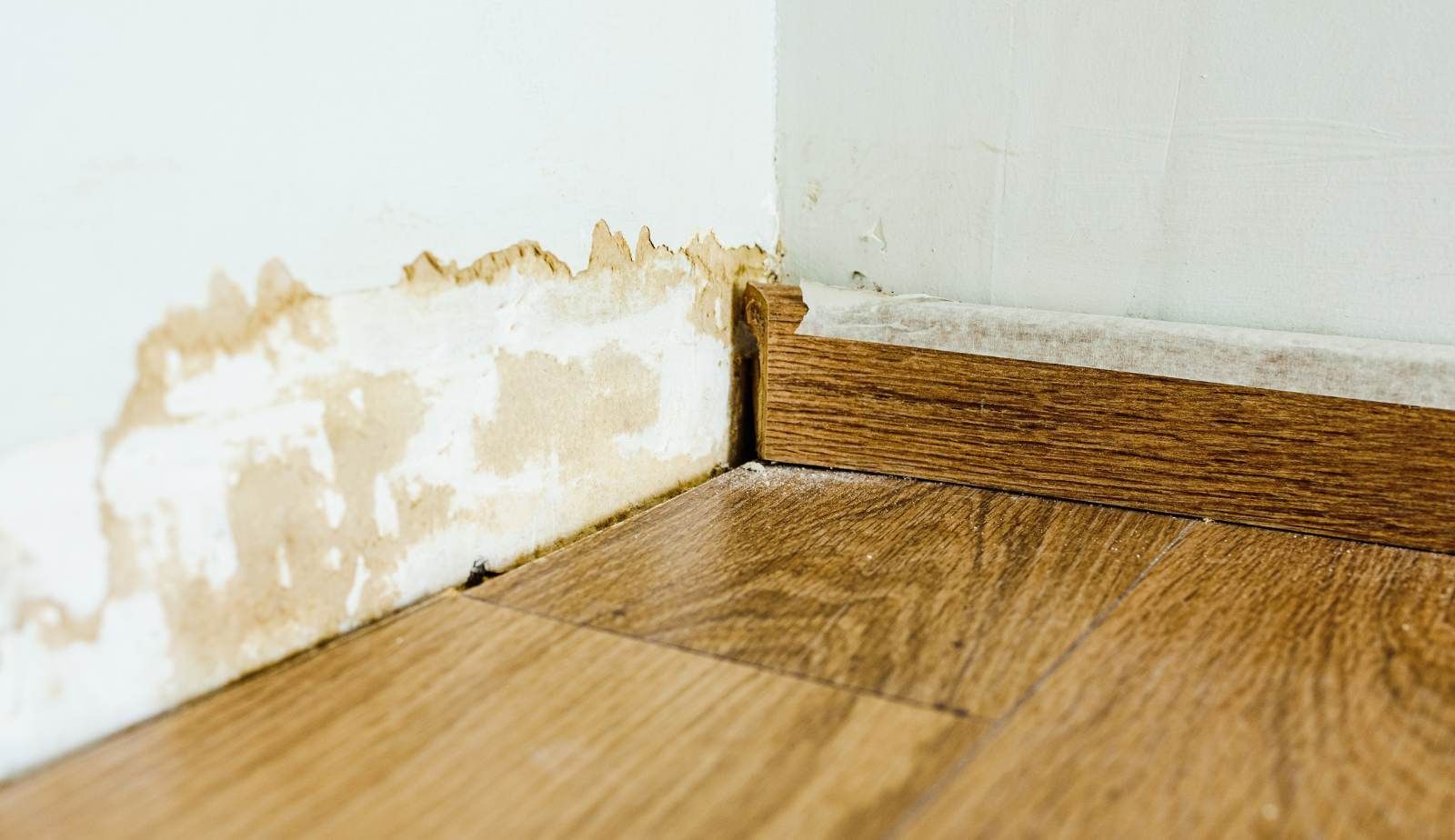
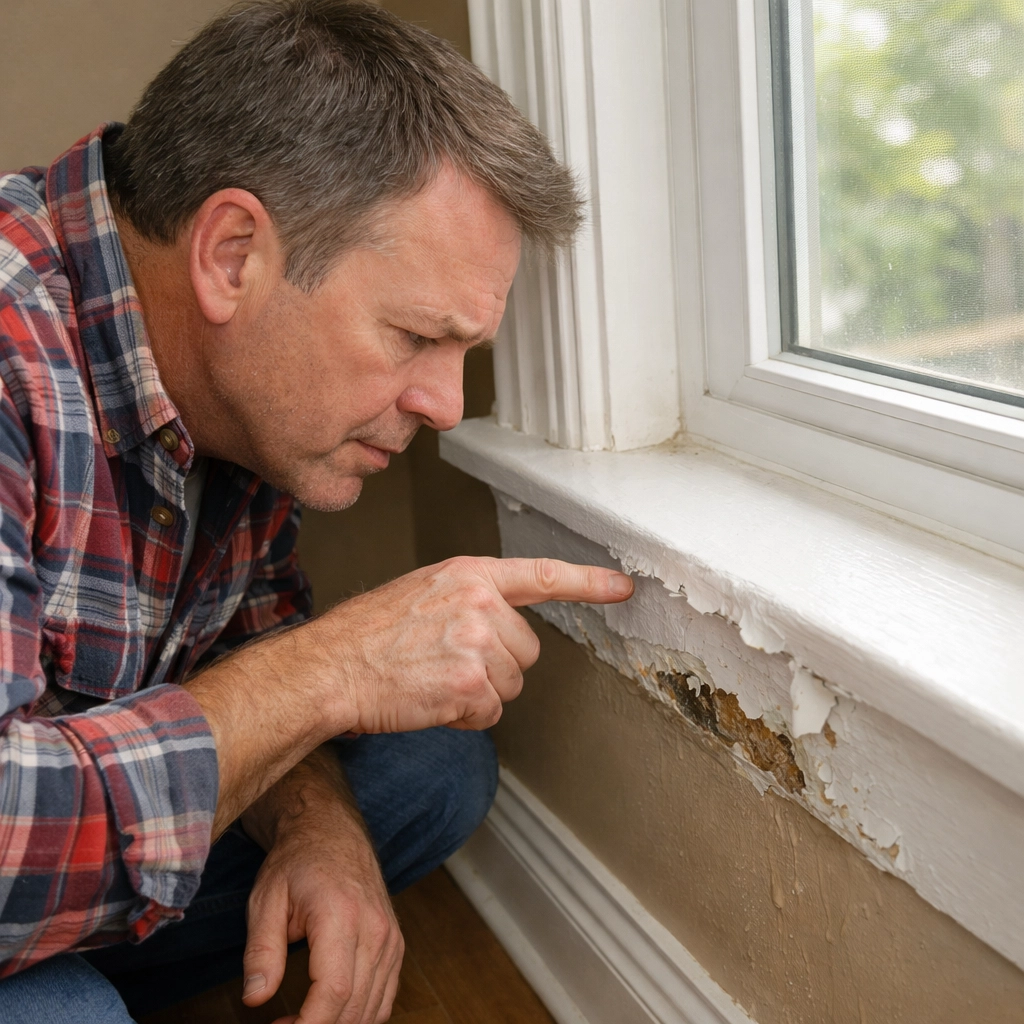
The water dripping down your window doesn't just disappear when it hits the sill. It seeps into the wood, saturates the drywall, and travels down into the wall cavity. Paint starts to bubble. Wood starts to soften. And mold starts to grow, quietly, out of sight, sometimes for months before you notice anything wrong.
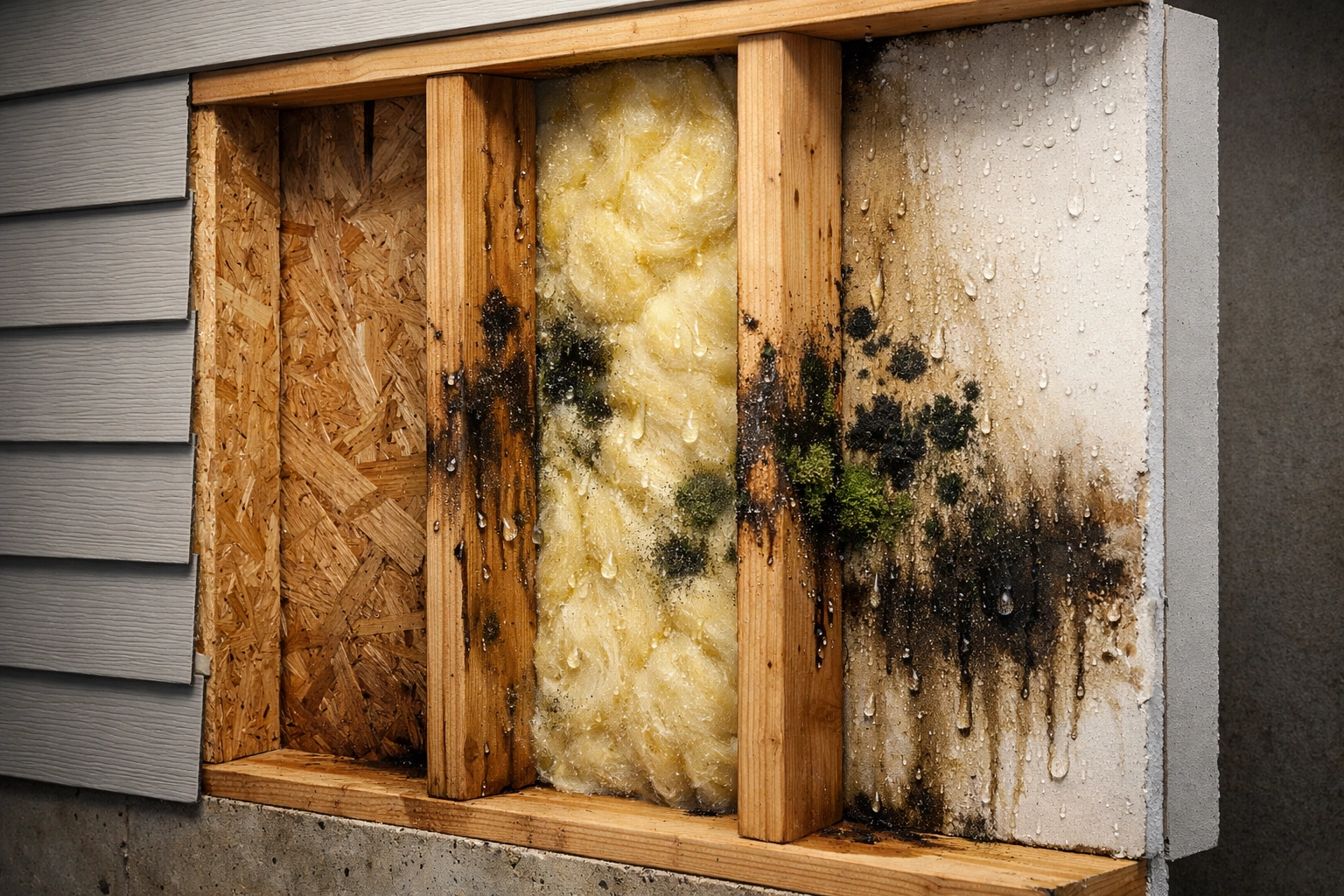
By the time you see visible mold or smell that musty odor, the problem is already established. This is especially common in older homes around Alexandria, Lafayette, and other parts of Southern Louisiana, where homes weren't built with the same moisture barriers and insulation standards we use today.
Hidden Mold: How Moisture Travels from Glass to Wall Cavities
Here's what happens behind the scenes. That condensation on your window runs down the glass and collects on the sill. If the sill isn't properly sealed, and let's be honest, most older sills aren't, the water works its way into the wood and drywall.
Wooden window frames are especially vulnerable. Louisiana's natural humidity already keeps wood at the upper edge of acceptable moisture content. Add regular condensation, and you've crossed the line into rot territory. The same goes for drywall around the window. Once drywall gets wet, it acts like a sponge, wicking moisture into the wall cavity where it can sit for weeks or months.
Inside that wall cavity, you've now got everything mold needs: moisture, darkness, and organic material (wood studs, paper backing on drywall, insulation). Mold doesn't need much to get started, just 24 to 48 hours of moisture and a food source. Once it takes hold, it spreads.
This kind of hidden mold is one of the most common issues we see during water damage restoration calls in Southern Louisiana. Homeowners call us about a small stain or a musty smell, and when we start investigating, we find extensive mold growth behind walls that started with something as simple as window condensation.
The Louisiana Factor: High Humidity + Indoor Heating = Trouble
If you lived in Colorado or Montana, winter condensation might be a minor seasonal annoyance. But in Louisiana, the combination of high baseline humidity and indoor heating creates a year-round moisture management challenge.
Even when it's 45 degrees outside in January, the relative humidity can still be 75% or higher. When you heat your home, that moisture doesn't go anywhere, it just gets warmer. And warmer air can hold more water vapor, which means your indoor humidity climbs even higher.
This is why crawl spaces are such a nightmare in Louisiana. As we discussed in our article on Louisiana crawl spaces and water damage, the combination of ground moisture and seasonal temperature changes makes crawl spaces a constant source of humidity that rises up into your living space.
The reality is that most Louisiana homes are dealing with elevated indoor humidity from November through March. If you're not actively managing that moisture, your home is at risk.
And yes, winter weather can cause water damage even in Louisiana. Cold snaps, freezing rain, and high indoor humidity all contribute to moisture problems that most people don't associate with our "mild" winters.
Health and Home Impact: Why You Can't Just Wipe It Away
Some people figure as long as they wipe down the windows every morning, they're fine. But the visible condensation is only part of the equation. The hidden moisture is what causes long-term problems.
Health Concerns
Mold exposure can trigger a range of health symptoms, especially for people with asthma, allergies, or compromised immune systems. Common symptoms include:
- Persistent coughing or wheezing
- Nasal congestion and sinus issues
- Itchy eyes and skin irritation
- Headaches and fatigue
- Difficulty breathing
Kids, elderly family members, and anyone with chronic respiratory conditions are especially vulnerable. Even if you don't see mold, elevated indoor humidity creates an environment where dust mites and other allergens thrive.
Structural Damage
Beyond health concerns, chronic moisture exposure damages your home. Wood rot weakens the structural integrity of window frames and wall studs. Paint and wallpaper peel. Drywall crumbles. Metal window frames corrode. And all of this happens slowly, behind the scenes, until you're looking at expensive repairs.
Insurance companies are increasingly skeptical of mold and water damage claims, especially if the damage is deemed "long-term" or "maintenance-related." If an adjuster determines that the mold growth started from unmanaged condensation: something you should have addressed: you might be on your own for the repair costs.
Prevention Tips: Managing Humidity in Louisiana Homes
The good news is that you can take steps to manage indoor humidity and prevent the kind of moisture buildup that leads to hidden mold. None of these solutions are complicated, but they do require consistent effort.
1. Monitor Indoor Humidity Levels
Pick up a hygrometer (a humidity gauge) from any hardware store for about $10. Keep your indoor humidity between 30% and 50%. If it's consistently above 60%, you need to take action.
2. Use Exhaust Fans
Run your bathroom exhaust fan during and after showers. Use your kitchen range hood when cooking, especially when boiling water or steaming. These fans are designed to pull moisture-laden air out of your home before it condenses on cold surfaces.
3. Run a Dehumidifier
A good-quality dehumidifier can make a massive difference, especially during the winter months when outdoor humidity is high but you're running the heater. Place it in areas where moisture tends to accumulate: bedrooms, living rooms, basements, or near problem windows.
4. Improve Ventilation
If your home is sealed up tight, consider cracking a window occasionally to allow fresh air circulation. This is a balancing act: you don't want to waste energy heating the outdoors, but you also don't want to trap moisture inside.
5. Check Window Seals and Weatherstripping
Make sure your windows are properly sealed. Damaged weatherstripping or cracked caulk can allow cold air to penetrate, which creates more condensation points. Fixing these gaps not only reduces condensation but also improves energy efficiency.
6. Address Crawl Space Moisture
If you have a crawl space, make sure it's properly encapsulated and ventilated. Ground moisture rising from an untreated crawl space is one of the biggest contributors to high indoor humidity in Louisiana homes.
When to Call the Pros: Drymax's Approach to Moisture and Mold
If you've already got visible mold, signs of water damage, or persistent condensation problems that you can't solve on your own, it's time to bring in professionals. Here's what separates a professional moisture inspection from a DIY approach:
Professional Moisture Mapping
We use thermal imaging cameras and moisture meters to identify hidden moisture inside walls, under floors, and in other concealed spaces. This technology allows us to pinpoint problem areas before they become full-blown disasters.
Mold Testing and Remediation
If mold is present, we conduct air quality testing and surface sampling to determine the type and extent of contamination. Proper mold remediation isn't just about scrubbing visible mold: it's about addressing the moisture source, removing contaminated materials, and ensuring the space is thoroughly dried and treated to prevent regrowth.
Comprehensive Drying and Restoration
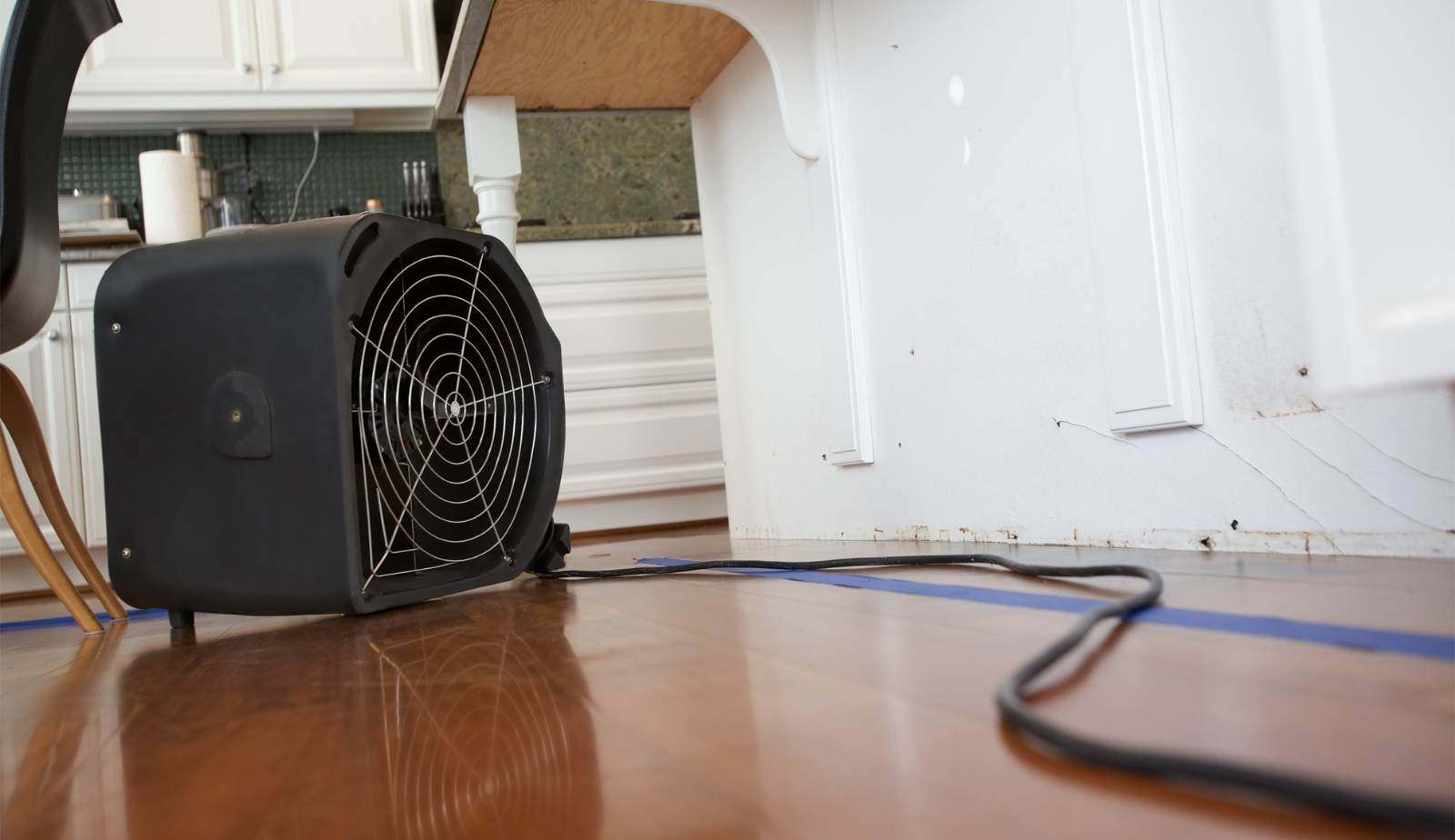
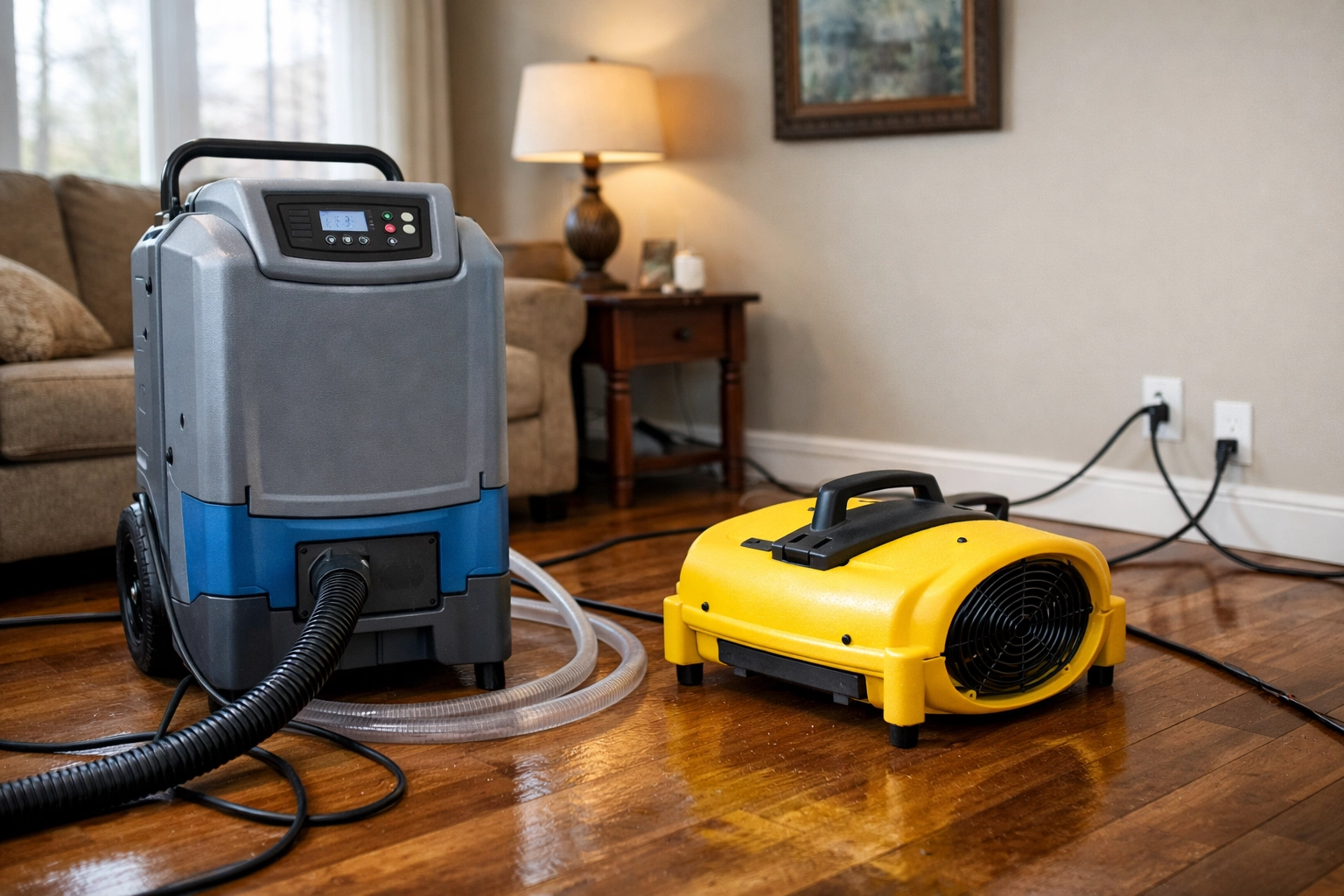
For homes with significant water damage or chronic moisture problems, we deploy industrial-grade dehumidifiers, air movers, and other drying equipment to remove moisture from the structure. This isn't something you can accomplish with a couple of box fans from Walmart.
Drymax serves homeowners and businesses throughout Southern Louisiana, including Lafayette, Acadiana, Alexandria, Baton Rouge, and surrounding areas. You can see our full service area coverage here. Whether you're dealing with condensation-related mold, storm damage, or water intrusion from another source, we've seen it all and know how to fix it.
Final Thoughts
Window condensation in Louisiana winters isn't just a cosmetic nuisance. It's a clear signal that your home has too much moisture, and that moisture is creating conditions for hidden mold growth, wood rot, and long-term structural damage. The water you see on the glass is just the tip of the iceberg: the real problem is happening where you can't see it.
Managing indoor humidity takes effort, but it's a lot cheaper and easier than dealing with mold remediation and structural repairs down the road. Monitor your humidity levels, improve ventilation, run dehumidifiers, and fix any water intrusion issues as soon as they pop up.
And if you're already seeing signs of mold or water damage, don't wait. The longer you let it sit, the worse it gets and the more expensive it becomes to fix. Give Drymax a call, and we'll help you get your home back to a safe, dry, and healthy condition.
Winter in Louisiana might be damp and gray, but your home doesn't have to be a breeding ground for hidden mold.