The 'Hard Freeze' Warning: Why Louisiana pipes aren't insulated for the 20s and what to do when they burst.
The 'Hard Freeze' Warning: Why Louisiana pipes aren't insulated for the 20s and what to do when they burst.
![[HERO] The 'Hard Freeze' Warning: Why Louisiana pipes aren't insulated for the 20s and what to do when they burst.](https://cdn.marblism.com/v551Zp_FA-_.webp)
Look, when you live in Southern Louisiana, you expect a lot of things. You expect humidity that makes your glasses fog up the second you step outside. You expect mosquitoes the size of small birds. You expect your AC to run from March through November without a single break.
What you don't expect? Temperatures dropping into the 20s and staying there long enough to turn your plumbing into a disaster zone.
But here's the thing, it happens. Not every year, but when it does, the results can be catastrophic. And the reason is pretty simple: our homes just weren't built for that kind of cold.
Why Louisiana Homes Are Sitting Ducks During a Hard Freeze
Let's get one thing straight. This isn't about Louisiana builders cutting corners or doing shoddy work. It's about climate reality.
When your great-grandparents built that shotgun house in Lafayette, they weren't thinking about frozen pipes. They were thinking about surviving August. Same goes for the contractors who built your ranch home in the 70s or your subdivision in the 2000s. The focus has always been on keeping cool, not keeping warm.
That means a few things for your plumbing:
Pipes in uninsulated spaces. In states like Minnesota or Ohio, builders know to keep water lines away from exterior walls and unheated areas. Down here? Your pipes might run through the attic, through exterior walls, or under pier-and-beam homes with nothing but a thin skirt between them and the outside air.
Minimal pipe insulation. Even when pipes are accessible, they often have little to no insulation. Why would they? In a normal Louisiana winter, temperatures might dip into the 30s overnight and warm back up by noon. That's not enough to cause problems.
Shallow water lines. In cold climates, water mains are buried several feet deep to stay below the frost line. In Louisiana, that frost line is basically at ground level. When a hard freeze hits, even your main water supply can be affected.
The Science of How Pipes Actually Burst
Here's where most people get it wrong. They think ice forms in the pipe, expands, and cracks the pipe open right there. Makes sense, right? Ice takes up more space than water.
But that's not usually how it goes down.
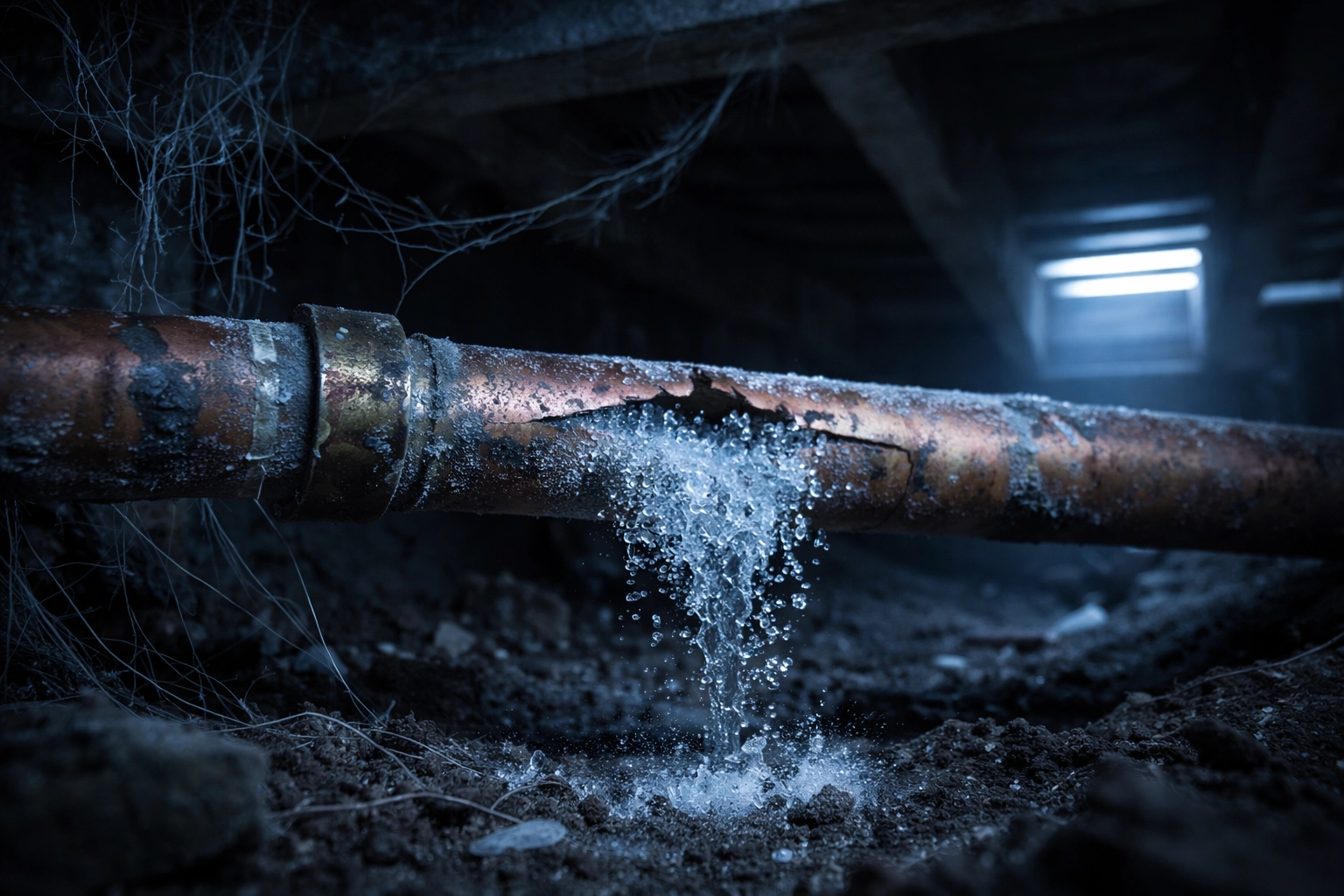
What actually happens is more like a pressure trap. Ice forms somewhere in the pipe, usually in the coldest spot, like where it runs through an exterior wall or sits in your attic. That ice plug blocks the flow of water.
Now you've got standing water between that ice blockage and your closed faucet. As the ice continues to expand, it pushes against that trapped water. The pressure builds and builds with nowhere to go.
Eventually, something gives. And it's usually the weakest point in the line, a joint, a fitting, or a section of older pipe. That's where the split happens. Sometimes it's a tiny crack. Sometimes the pipe blows wide open.
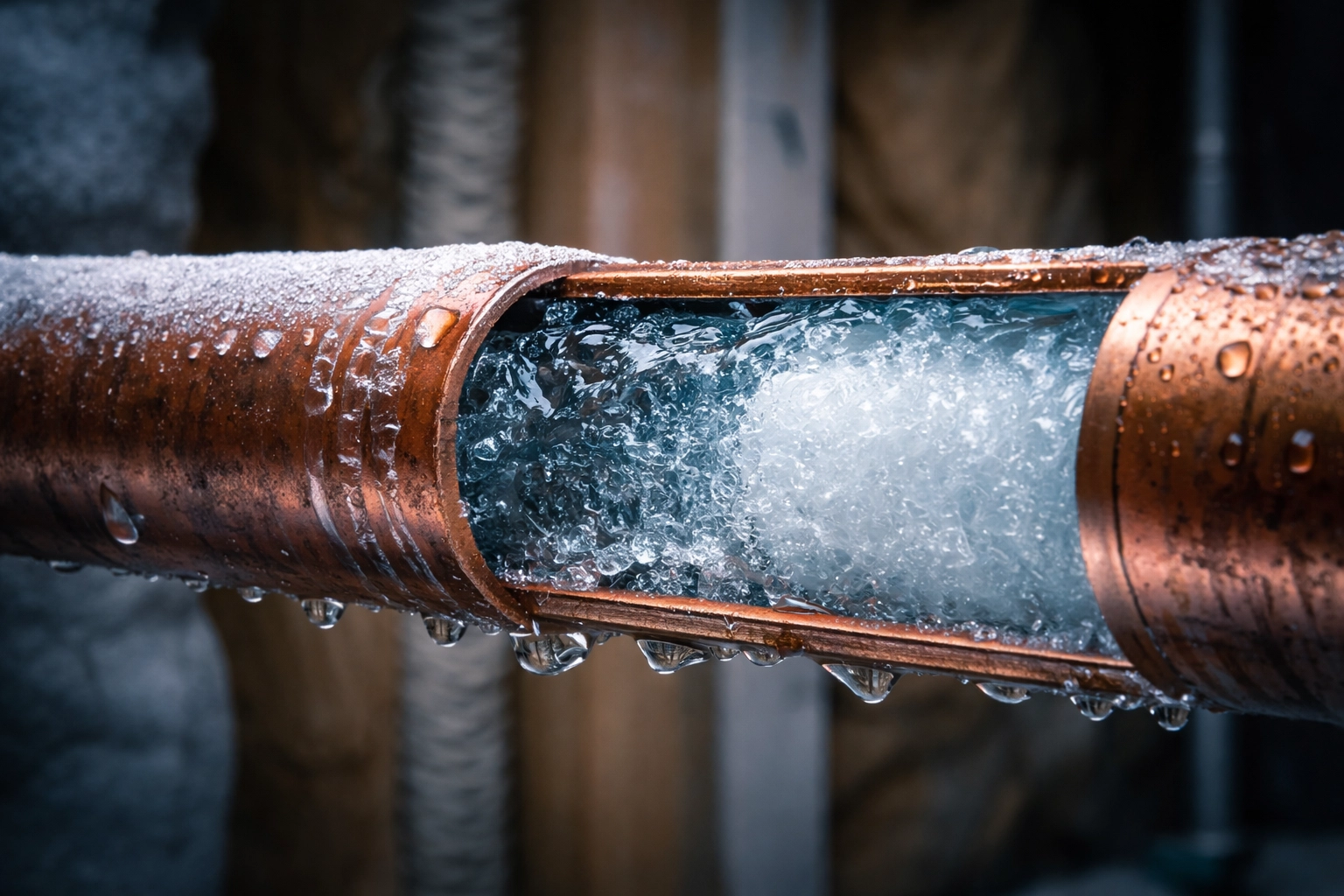
The real kicker? You might not even know it happened until the ice thaws. That's when the water starts flowing through that new opening in your pipe, and suddenly you've got a flood in your living room, your kitchen, or worse, inside your walls where you can't even see it.
What to Do When a Pipe Bursts: Your Emergency Playbook
Alright, so the worst has happened. You hear running water where there shouldn't be any, or you walk into a room and your feet get wet. Here's what you need to do, step by step.
Step 1: Shut Off the Water
This is job number one. Every second that water keeps flowing is more damage to your home.
Find your main water shut-off valve. In most Louisiana homes, it's either near the street (look for a covered box in your front yard) or where the main line enters your house. Turn it off completely.
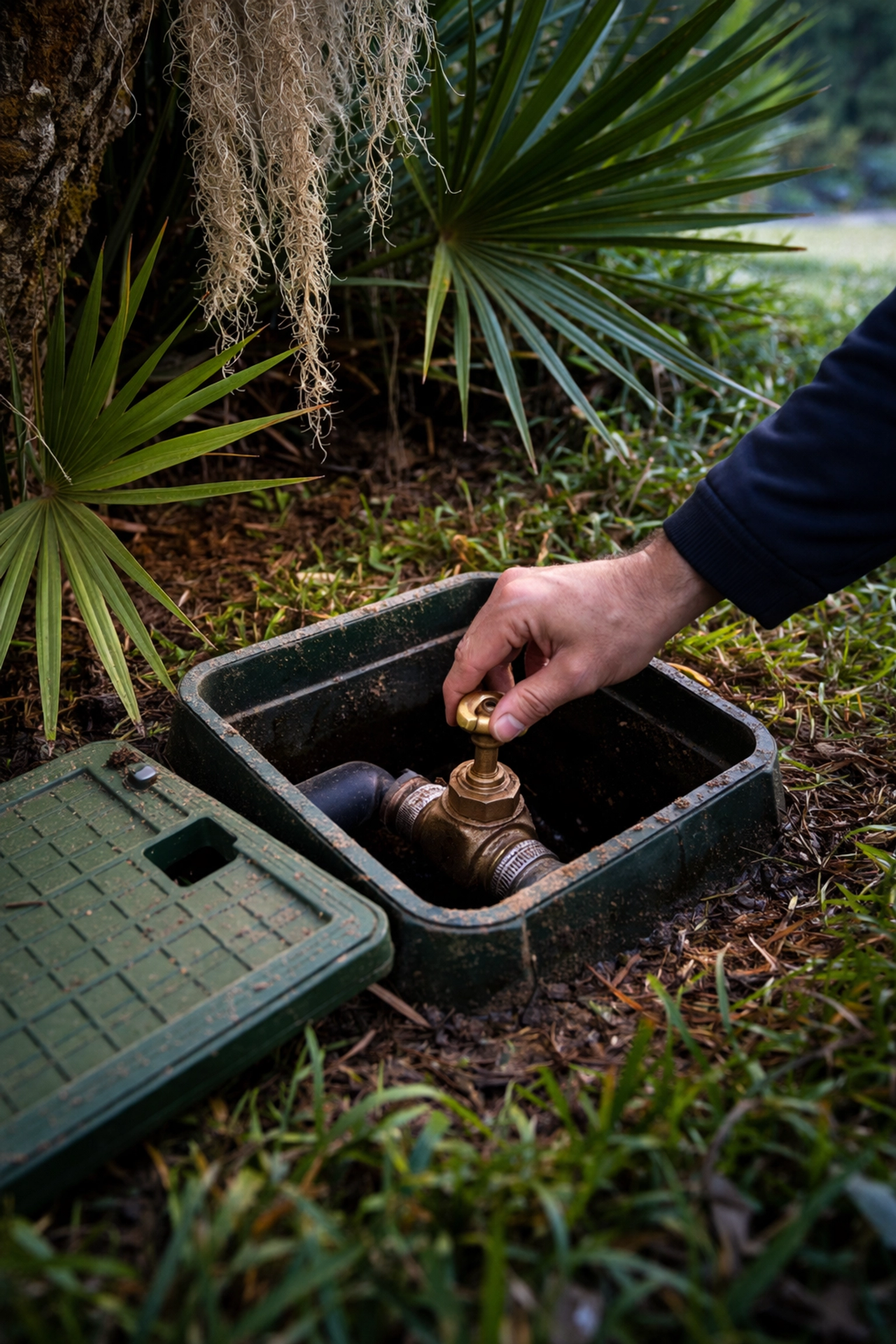
If you don't know where your shut-off is, find it today. Seriously. Before the next freeze hits. Walk outside right now and locate it. This five-minute task can save you thousands of dollars.
Step 2: Open Your Faucets
Once the main water is off, open all your faucets, both hot and cold. This relieves any remaining pressure in the lines and lets water drain out rather than continuing to leak into your home.
Step 3: Document Everything
Before you start cleaning up, grab your phone and take photos and videos of everything. The standing water, the damaged areas, any belongings that got soaked. Your insurance company is going to want to see this.
Step 4: Call the Professionals
Here's where a lot of folks make a critical mistake. They think they can handle cleanup themselves with a wet-vac and some fans. In a Louisiana winter, that's a recipe for disaster.
Our humidity levels don't drop just because it's cold outside. That moisture in your home has nowhere to go. Without industrial-grade extraction and dehumidification, you're looking at mold growth within 24 to 48 hours.
The team at Drymax specializes in water damage restoration for exactly this kind of situation. We bring in commercial extractors, air movers, and dehumidifiers that can actually fight Louisiana's natural humidity, not just push wet air around.
The Hidden Damage You Can't See
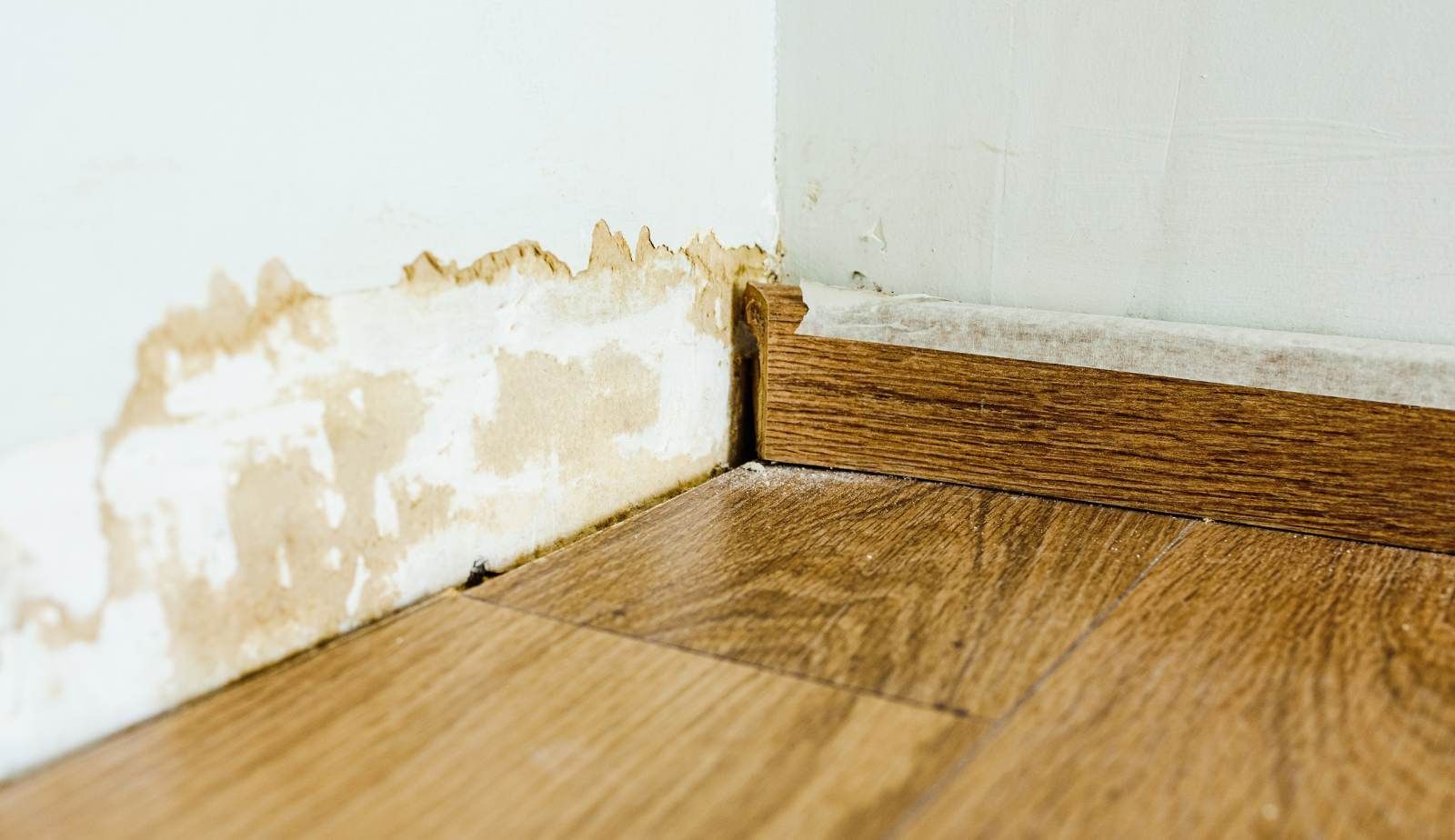
This is the part that really gets people. The visible water on your floor? That's actually the easy part. It's the water you can't see that causes the long-term problems.
When a pipe bursts inside a wall or in your attic, water travels. It follows gravity, soaking through insulation, running down studs, pooling on top of ceilings, and saturating drywall from the inside out.
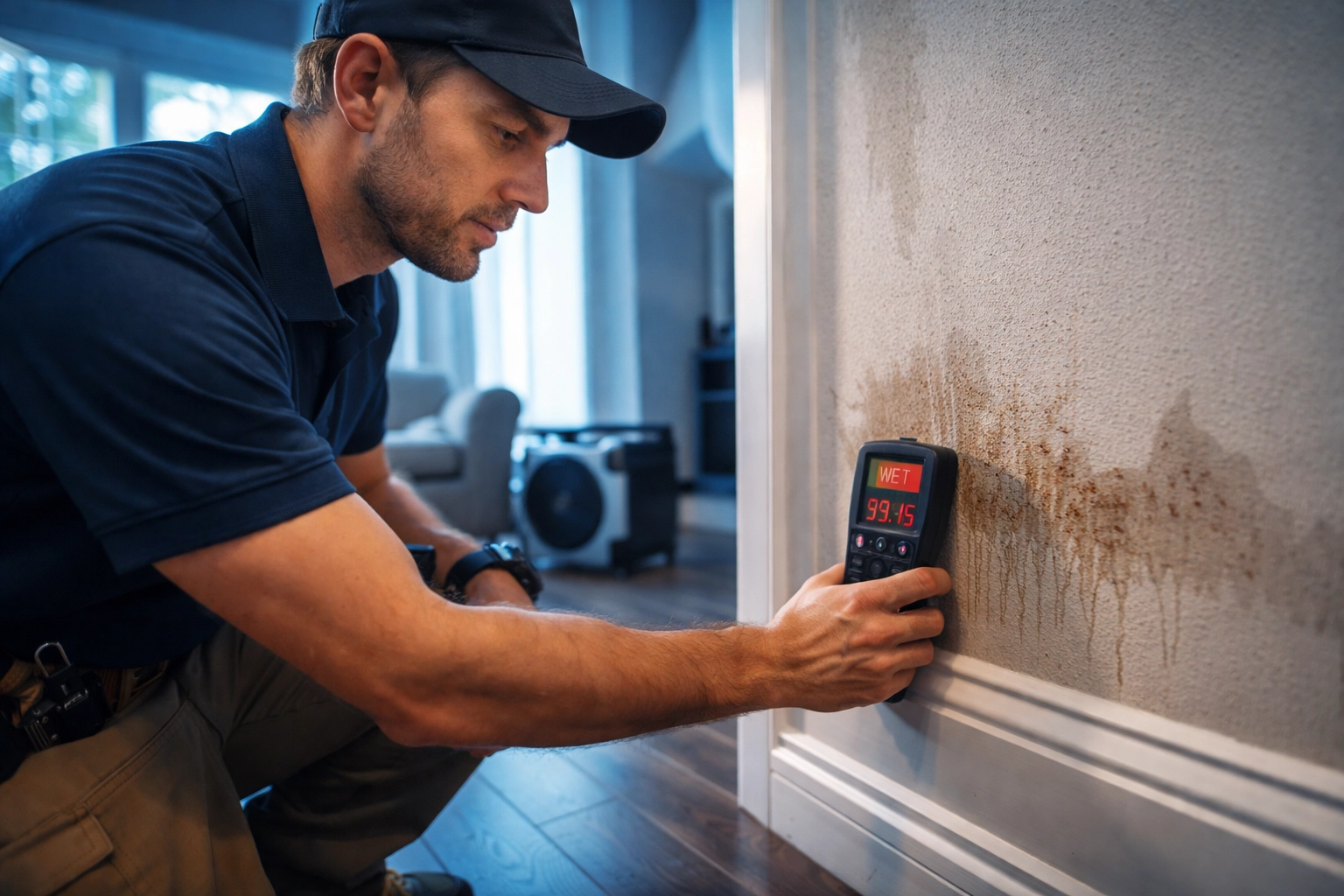
You might see a small water stain on your ceiling and think, "Okay, not that bad." But behind that stain could be gallons of water trapped in your wall cavity, slowly soaking into everything.
In Louisiana's humid climate, that trapped moisture becomes a mold breeding ground fast. We're talking 24 to 48 hours before spores start colonizing. And once mold gets established in your walls, you're looking at a much bigger project than just drying things out.
That's why moisture mapping is so critical. At Drymax, we use specialized meters to find hidden pockets of moisture behind walls and under floors: areas that look dry on the surface but are soaked underneath. If you're dealing with potential mold concerns after water damage, our partners at Drymax Mold can help assess and address the situation.
The Restoration Process: What to Expect
So what happens when you call Drymax after a pipe burst? Here's the general process:
Emergency Response. We get to your property fast. In a freeze event, we know that every hour counts.
Water Extraction. We remove standing water using commercial-grade equipment that's way more powerful than anything you can rent at the hardware store.
Moisture Detection. We use thermal imaging and moisture meters to find water hiding in walls, under floors, and in other hidden spaces.
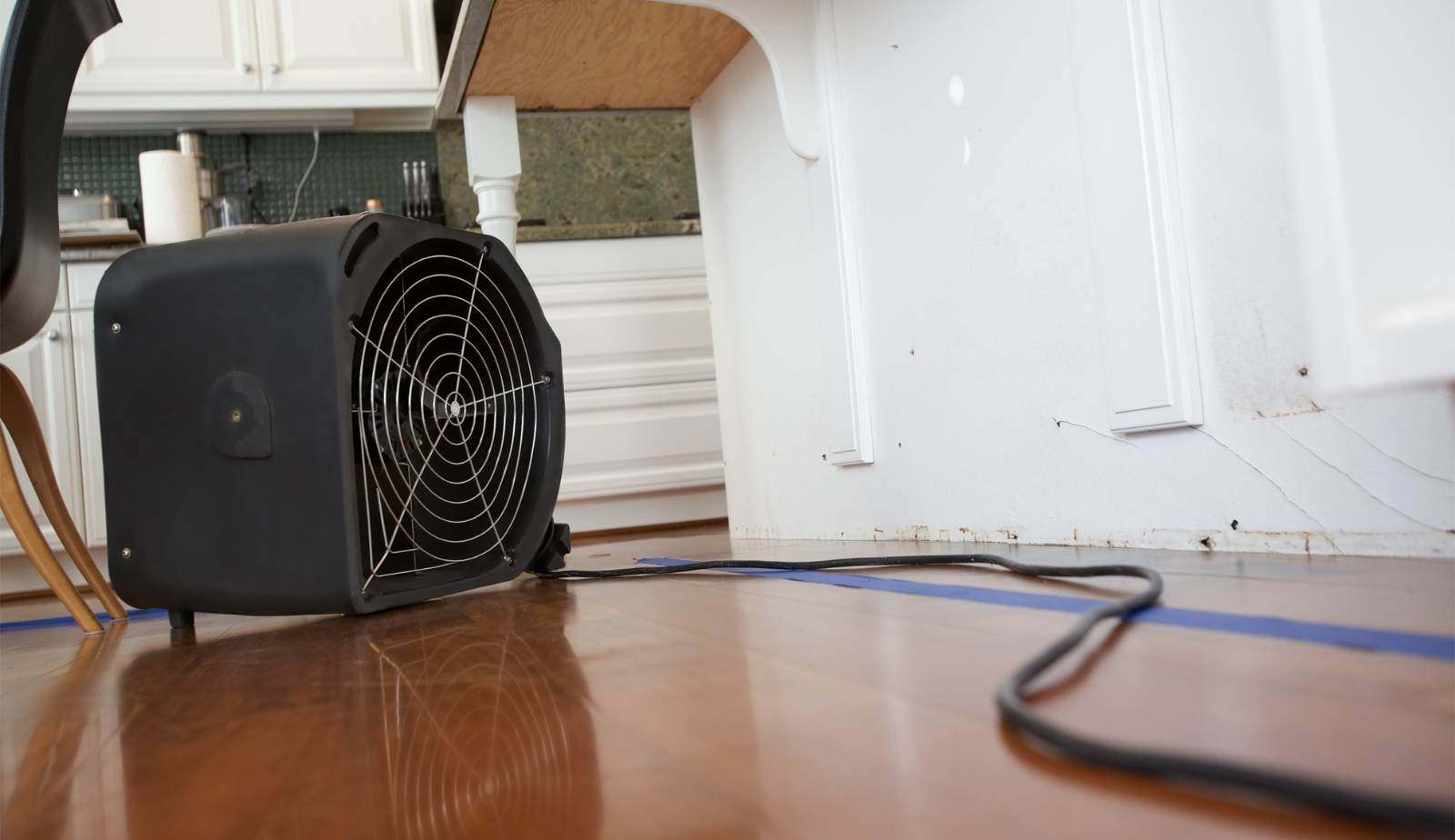
Structural Drying. Industrial dehumidifiers and air movers work together to pull moisture out of your home's structure. This isn't a one-day process: depending on the extent of the damage, we might need equipment running for several days to get everything properly dried.
Contents Cleaning. Your furniture, electronics, documents, and personal belongings often get caught in the crossfire during a pipe burst. Our contents cleaning team can often restore items you might have assumed were ruined.
Restoration. Once everything is dried and clean, we can help with the rebuild: replacing drywall, flooring, and other materials that couldn't be saved.
Prevention: Getting Ready for the Next Freeze
Once you've been through a burst pipe situation, you never want to go through it again. Here are some practical steps to protect your home before the next hard freeze:
Know your shut-off. We already covered this, but it's worth repeating. Know exactly where your main water shut-off is and make sure it actually works.
Insulate exposed pipes. Foam pipe insulation is cheap and easy to install. Focus on pipes in your attic, crawl space, garage, and any exterior walls.
Let faucets drip. When temperatures are going to drop below freezing overnight, let your faucets drip slightly. Moving water is much harder to freeze than standing water.
Open cabinet doors. If you have plumbing on exterior walls (like under a kitchen sink), open those cabinet doors to let warm air circulate around the pipes.
Disconnect outdoor hoses. A frozen garden hose can cause ice to back up into the pipe inside your wall.
Keep your heat on. Even if you're leaving town, keep your thermostat set to at least 55 degrees. Your pipes will thank you.
Serving Southern Louisiana When It Matters Most
At Drymax, we're proud to serve homeowners across Southern Louisiana, including Lafayette, Ville Platte, Alexandria, and the greater Acadiana area. You can see our full service areas on our website.
We know this region. We know the humidity, the building styles, and the unique challenges that come with living in the Bayou. When a hard freeze hits and your pipes give out, we're the local team that shows up fast and gets the job done right.
Don't just take our word for it: check out what your neighbors are saying in our reviews.
If you're dealing with water damage right now or want to talk about preparing your home for the next freeze, contact us anytime. We're here to help.