What’s Salvageable After a House Fire? A Room-by-Room Guide.
What's Salvageable After a House Fire? A Room-by-Room Guide
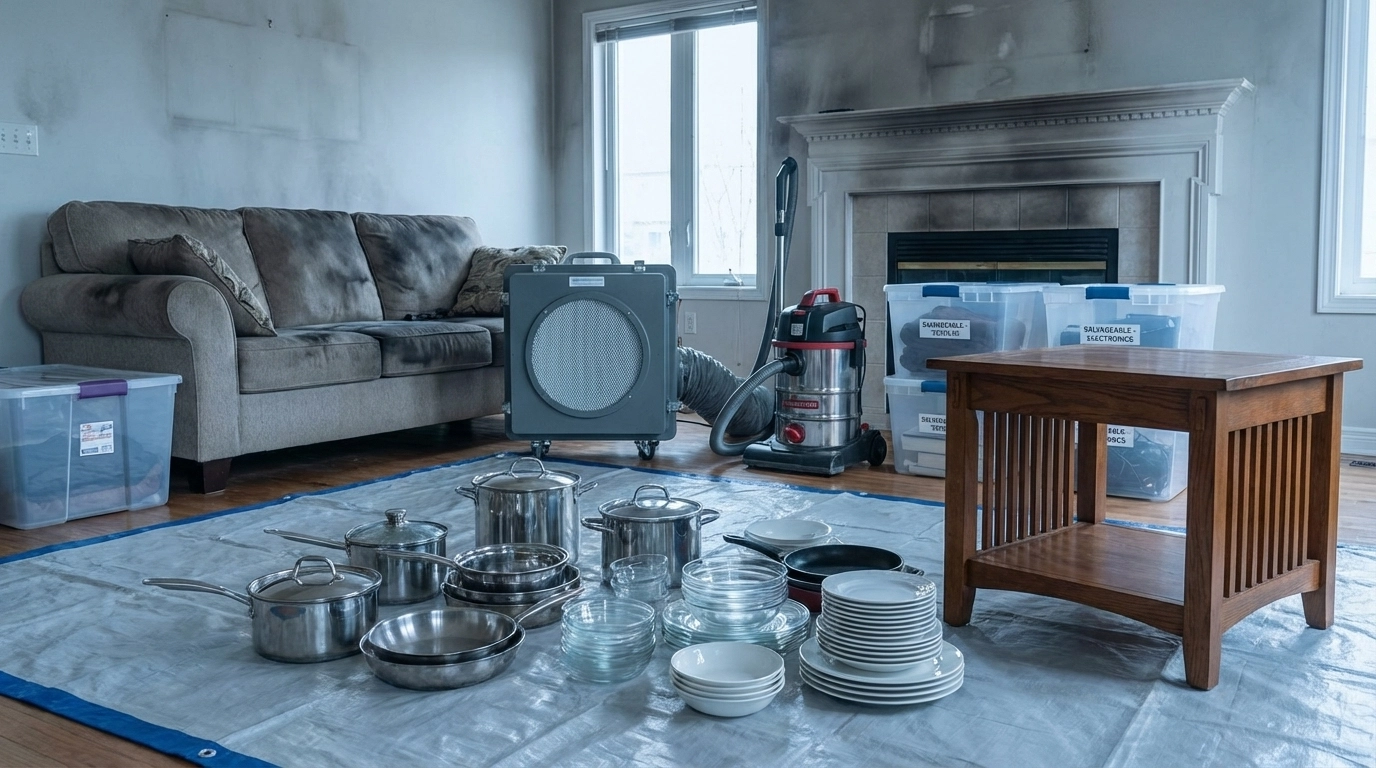
When flames tear through your home, the aftermath can feel overwhelming. Standing in the smoky ruins of what was once your sanctuary, you're probably asking yourself: "What can I save, and what's gone forever?" As someone who's walked through countless fire-damaged homes across Southern Louisiana, from New Orleans to Baton Rouge, I've seen homeowners make costly mistakes by throwing away items that could have been restored: and keeping things that should have hit the dumpster immediately.
Let's cut through the confusion and break this down room by room, so you know exactly what's worth fighting for and what's not.
The Kitchen: Where Heat Meets Reality

Your kitchen took the brunt of the damage, but don't panic yet. Some items are surprisingly resilient.
What You Can Usually Save:
Metal cookware and utensils are your best friends right now. Cast iron skillets, stainless steel pots, and metal utensils can handle serious heat and smoke. Clean them thoroughly with vinegar and dish soap, and they'll likely serve you for years to come. I've seen century-old cast iron come back to life after Louisiana house fires.
Glass and ceramic dishes are also winners. That china set from your wedding? Those mason jars filled with spices? Glass doesn't absorb smoke the way porous materials do. Give them a good scrub, and they're usually good as new. Even ceramics can be salvaged, though they might need professional deep cleaning to get all the smoke residue out of any cracks.
Non-porous appliances like your refrigerator, dishwasher, or metal microwave might look rough, but if they're structurally sound, they can often be cleaned and restored. Don't plug anything in until a professional checks it out, though.
What Needs to Go:
Everything edible hits the trash. I don't care if that can of beans looks perfectly fine: heat and chemicals from the fire can compromise even sealed containers. Your medications and cosmetics are also done for. Heat breaks down their chemical composition, making them potentially dangerous.
Wooden cutting boards, utensils, and anything porous needs to go. Wood soaks up smoke and can harbor bacteria and mold: something we know all too well here in humid Southern Louisiana. Those melted plastic containers? Toss them. Melted plastic can release harmful toxins even after the fire's out.
Living Room and Family Areas: The Heart of Your Home
Your living spaces probably contain your most cherished belongings, so let's get real about what can make a comeback.
The Good News:
Hardwood furniture with minor damage can often be restored beautifully. That solid oak dining table or mahogany bookshelf might look rough now, but with proper cleaning and refinishing, they can return to their former glory. Metal furniture: iron bed frames, steel shelving: is even more resilient.
Your hardwood floors, unless they're actually charred or warped from water damage, can usually be saved. A good cleaning with oil soap followed by refinishing can work miracles. I've seen floors in Metairie homes come back looking better than before the fire.
Lightly smoke-damaged clothing and smaller textiles might surprise you. Professional cleaning services using ozone treatment or specialized dry cleaning can often remove smoke odors and restore fabrics. That vintage LSU jersey might not be lost after all.
The Reality Check:
Upholstered furniture is usually a lost cause if it's heavily smoke-damaged. Couches, recliners, and fabric chairs absorb smoke deep into their padding, and getting it all out is nearly impossible. The smell will likely return, especially in Louisiana's humidity.
Mattresses need to go, period. There's no safe way to fully clean them, and you don't want to sleep on something that's absorbed smoke and potential toxins. Heavily burnt or smoke-damaged clothing, especially if the smell is overpowering even after cleaning attempts, should be discarded.
Large carpets and area rugs usually need professional evaluation. Some can be saved with industrial cleaning, but others are too far gone. Trust your nose on this one.
Bedrooms: Personal Items and Precious Memories

Bedrooms hold our most personal possessions, making salvage decisions especially emotional.
What Often Survives:
Jewelry and metal valuables are usually fine. Soak them in warm water with mild detergent, then use a jeweler's cloth to restore their shine. I've seen wedding rings come back from fires looking like new.
Solid wood dressers and bedroom furniture follow the same rules as living room pieces: if the structure is sound and the damage is mostly surface level, they can be restored.
What You'll Likely Lose:
Besides mattresses and heavily damaged clothing, you'll probably lose most books, photo albums, and paper-based items. Paper is highly porous and absorbs smoke beyond salvage. However, don't give up on important documents or irreplaceable photos immediately: specialty restoration companies can sometimes work miracles, though it's expensive.
Bathrooms: The Surprising Survivors
Bathrooms often fare better than you'd expect because they contain mostly non-porous materials.
Usually Salvageable:
Metal fixtures, faucets, towel bars, and hardware can typically be cleaned and restored. Glass shower doors, mirrors, and ceramic tiles are also resilient. Soap dishes, toothbrush holders, and other ceramic bathroom accessories usually clean up well.
What Goes:
All medicines, cosmetics, and personal care products need to be replaced. Heat compromises their effectiveness and safety. Wooden shelving, wicker baskets, and other porous items should be discarded.
Electronics: Handle with Extreme Care
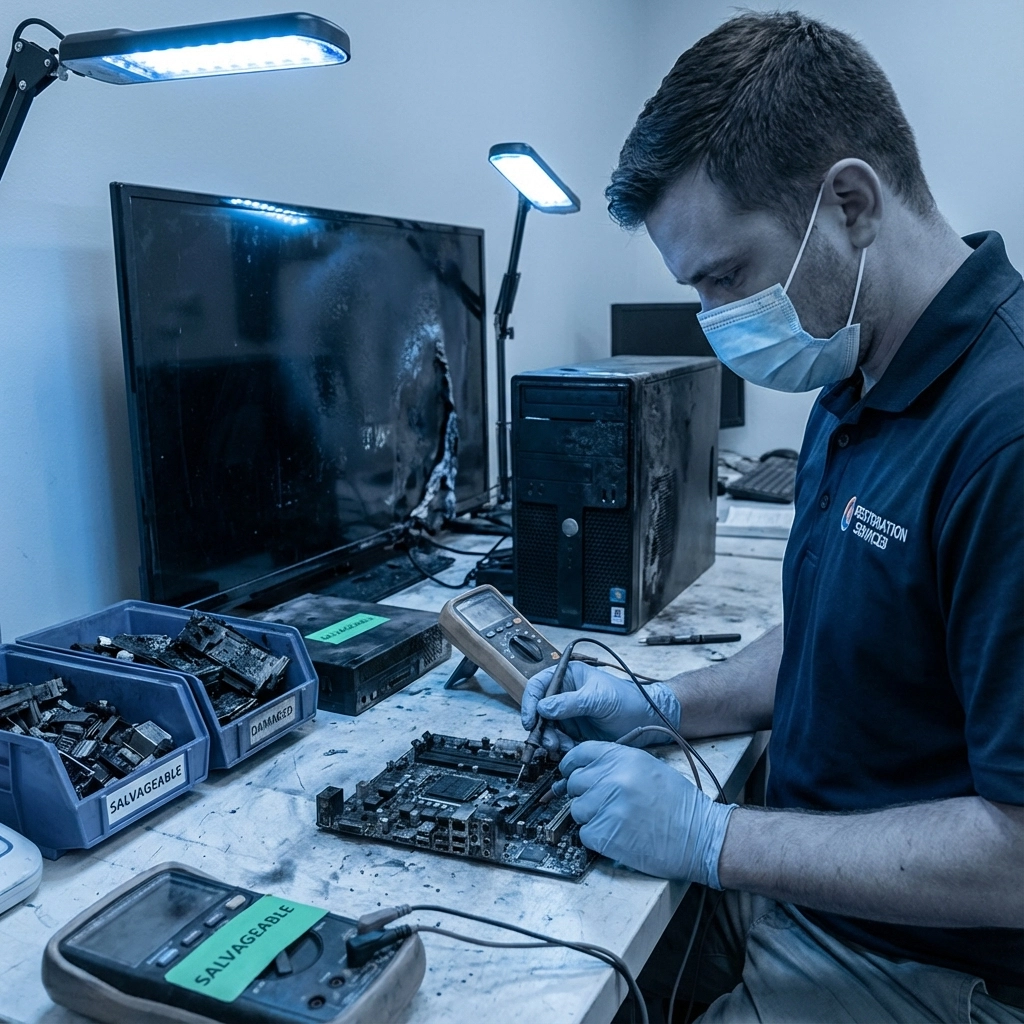
Never, and I mean never, turn on any electronic device that's been in a fire until a professional inspects it. Smoke damage can create invisible problems that could cause fires or electrocution later.
That said, many electronics can be saved if they weren't directly exposed to flames. Computers, TVs, gaming systems, and appliances might be restorable with professional cleaning and inspection. Wipe them down with a dry microfiber cloth to remove soot, but leave the real work to the pros.
Important Documents and Valuables
This is where quick action pays off. If you have wet important documents: insurance papers, birth certificates, property deeds: freeze them immediately to prevent mold growth(crucial in Louisiana's climate). Then separate the pages and let them air dry.
Many documents can be restored through specialty services, though it's not cheap. Birth certificates, passports, and other official documents can be replaced through government agencies, which might be easier than restoration.
The Clock is Ticking
Here's what many Louisiana homeowners don't realize: you've got a narrow window to save certain items. Clean sealed furniture and hard surfaces within 48-72 hours to prevent odors from embedding permanently. In our humid climate, that window might be even shorter.
For textiles and fabrics, professional cleaning services using ozone treatment, thermal fogging, or specialized dry cleaning offer your best shot at salvation. Don't wait: the longer smoke particles sit, the harder they are to remove.
When to Call in the Pros
Some decisions are too important to make alone. If you're dealing with valuable antiques, important documents, or items with significant sentimental value, consult a certified fire damage restoration company. They can assess what's salvageable and what poses health risks.
Professional restoration services have equipment and techniques that can save items you might think are lost forever. Ultrasonic cleaning, ozone treatment, and thermal fogging can work miracles on the right items.
The Southern Louisiana Reality
Living in Southern Louisiana means dealing with unique challenges. Our humidity can accelerate mold growth in fire-damaged items, especially porous materials like wood and fabric. What might be salvageable in drier climates might need to be discarded here to prevent secondary mold problems.
Additionally, many homes in our area are older, with materials that might not have held up well to fire damage. Cypress wood, common in older Louisiana homes, can often be restored if the damage isn't too severe, but it requires immediate attention to prevent moisture-related issues.
Making the Hard Calls
Standing in your damaged home, these decisions feel impossible. Remember that your safety and your family's health come first. When in doubt, err on the side of caution. Items can be replaced, but your well-being cannot.
Document everything with photos before you start cleaning or disposing of items: your insurance company will need this evidence. Keep receipts for all cleaning and restoration services, as many of these costs are covered by homeowner's insurance.
Moving Forward
Fire damage feels devastating, but many of your belongings can be saved with the right approach and quick action. Focus on the items with the best chances first: metals, glass, ceramics, and non-porous materials. Work with professionals for valuable items, and don't risk your health trying to save things that are clearly beyond repair.
Whether you're in New Orleans, Baton Rouge, Lafayette, or anywhere else in Southern Louisiana, the principles remain the same: act fast, prioritize safety, and don't hesitate to call in experts when the stakes are high. Your home can be rebuilt, and many of your cherished possessions can be restored. Take it one room at a time, and you'll get through this.
Note: Mastertech Environmental of York, PA provides mold inspections and testing in York County only. Southern Louisiana homeowners seeking full-service fire, water, and mold restoration should contact Drymax Restoration.