Rebuilding Trust: What to Expect from a Professional Water Damage Estimate
Rebuilding Trust: What to Expect from a Professional Water Damage Estimate
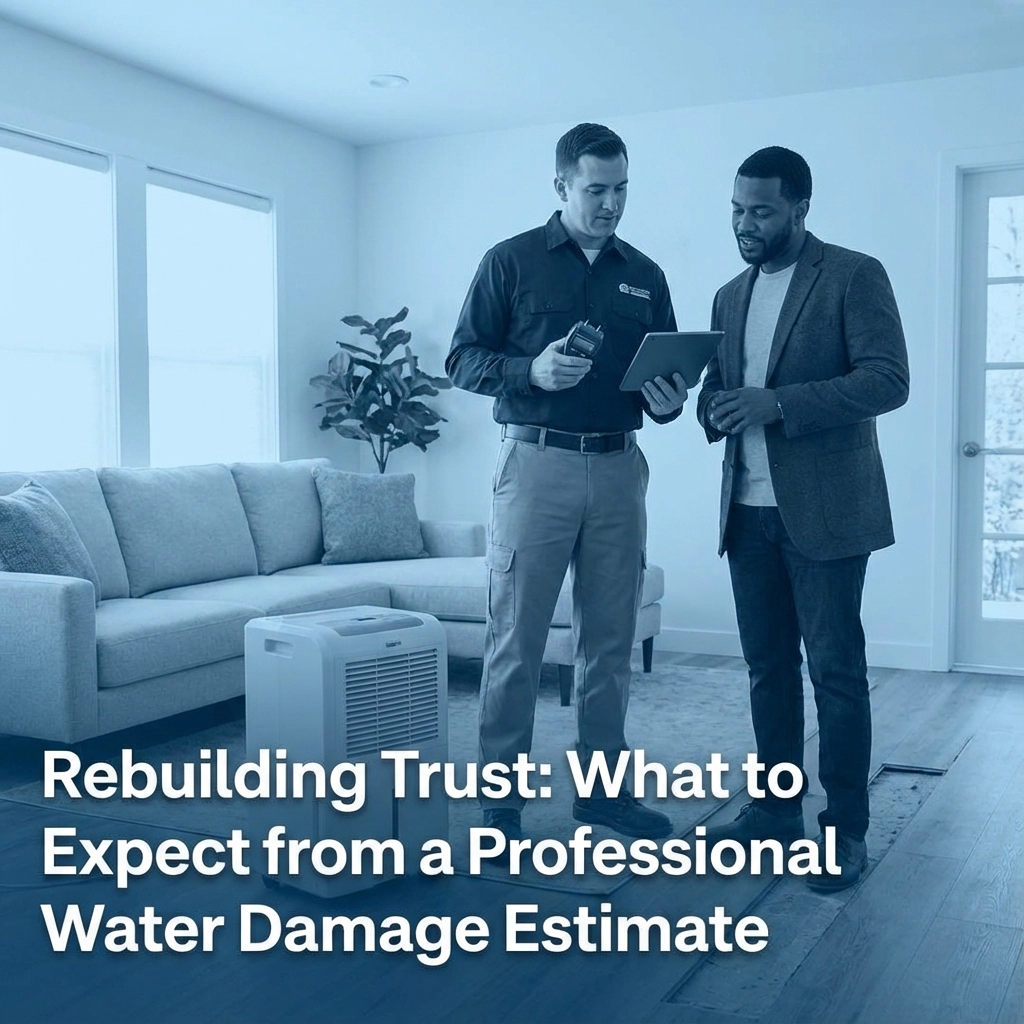
When water damage strikes your Southern Louisiana home or business, getting an accurate and transparent estimate is crucial for both your peace of mind and your wallet. At Drymax Water, Fire, Mold Restoration, we believe that rebuilding trust with our clients starts with clear, honest communication about what you can expect during the estimation process.
The Initial Assessment: More Than Just a Quick Look
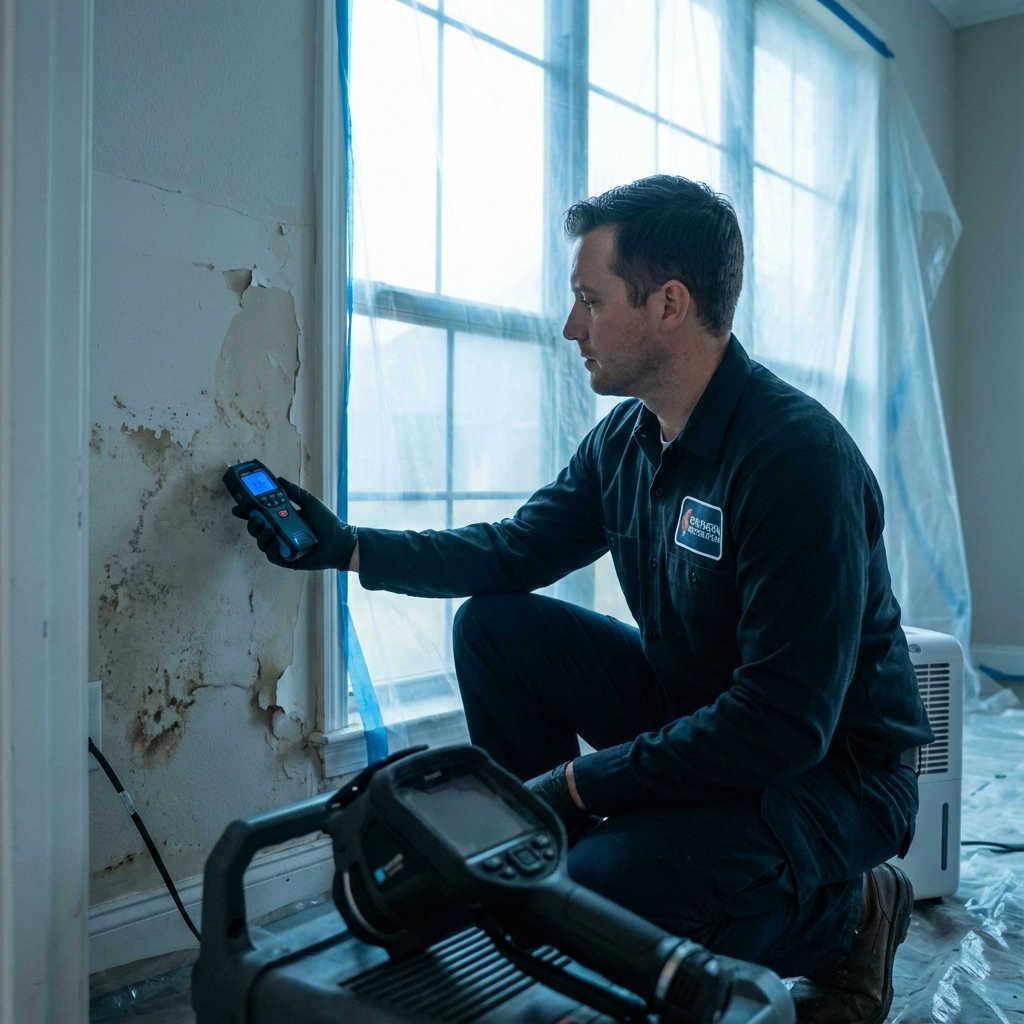
A professional water damage estimate begins with a comprehensive assessment that goes far beyond what meets the eye. Our certified technicians arrive equipped with advanced moisture detection equipment, thermal imaging cameras, and years of experience dealing with Louisiana's unique climate challenges.
Visual Inspection and Documentation
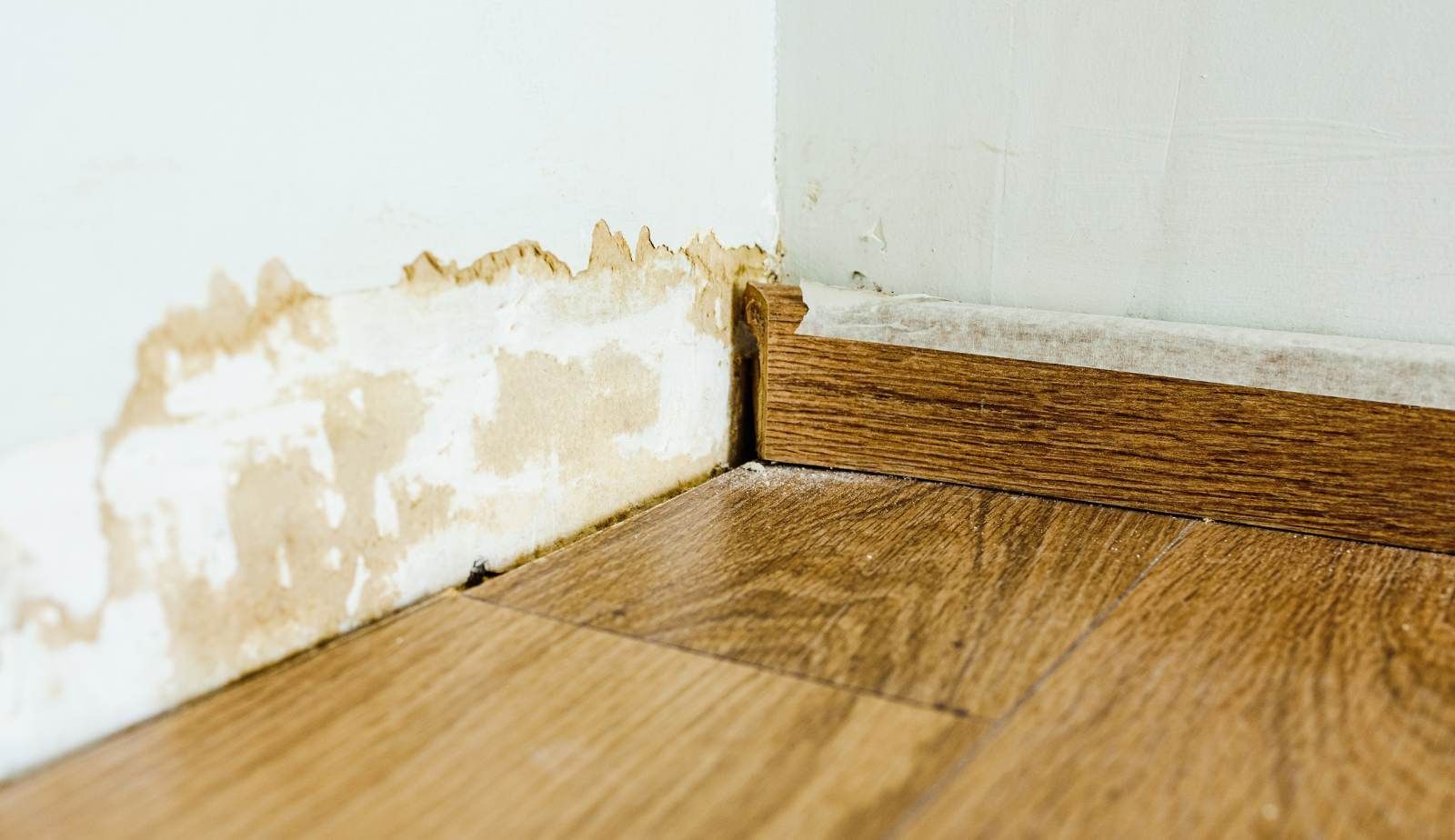
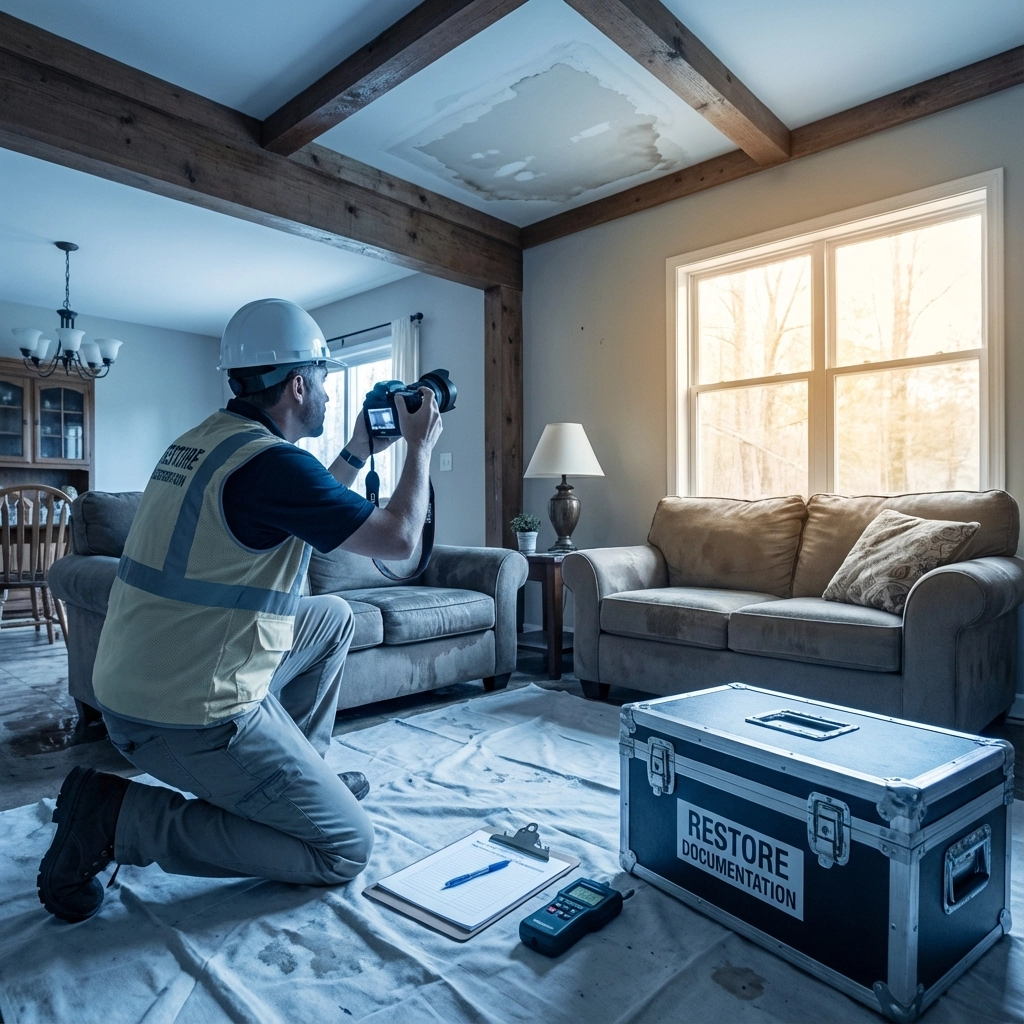
The first step involves a thorough visual examination of all affected areas. Our team carefully documents visible signs of water damage including stains, discoloration, peeling paint, warping walls, and compromised flooring. In Louisiana's humid environment, we pay special attention to areas prone to secondary damage, such as crawl spaces and areas with poor ventilation.
Every detail is photographed and recorded, creating a comprehensive visual record that serves both you and your insurance company. This documentation becomes crucial for insurance claims and helps ensure nothing is overlooked during the restoration process.
Advanced Moisture Detection Technology
What you can't see often matters most in water damage restoration. Our technicians use professional-grade moisture meters to measure moisture content in materials like drywall, wood subflooring, and insulation. Thermal imaging cameras reveal hidden moisture pockets behind walls and under flooring that could lead to mold growth if left untreated.
This technology is particularly valuable in Louisiana homes, where high humidity levels can mask the true extent of water intrusion. Our equipment helps us identify all affected areas, ensuring your estimate covers the complete scope of necessary work.
Understanding Your Scope of Work
A transparent water damage estimate includes a detailed scope of work that breaks down exactly what services are needed and why. At Drymax, we take the time to explain each component of your restoration project.
Water Extraction and Structural Drying
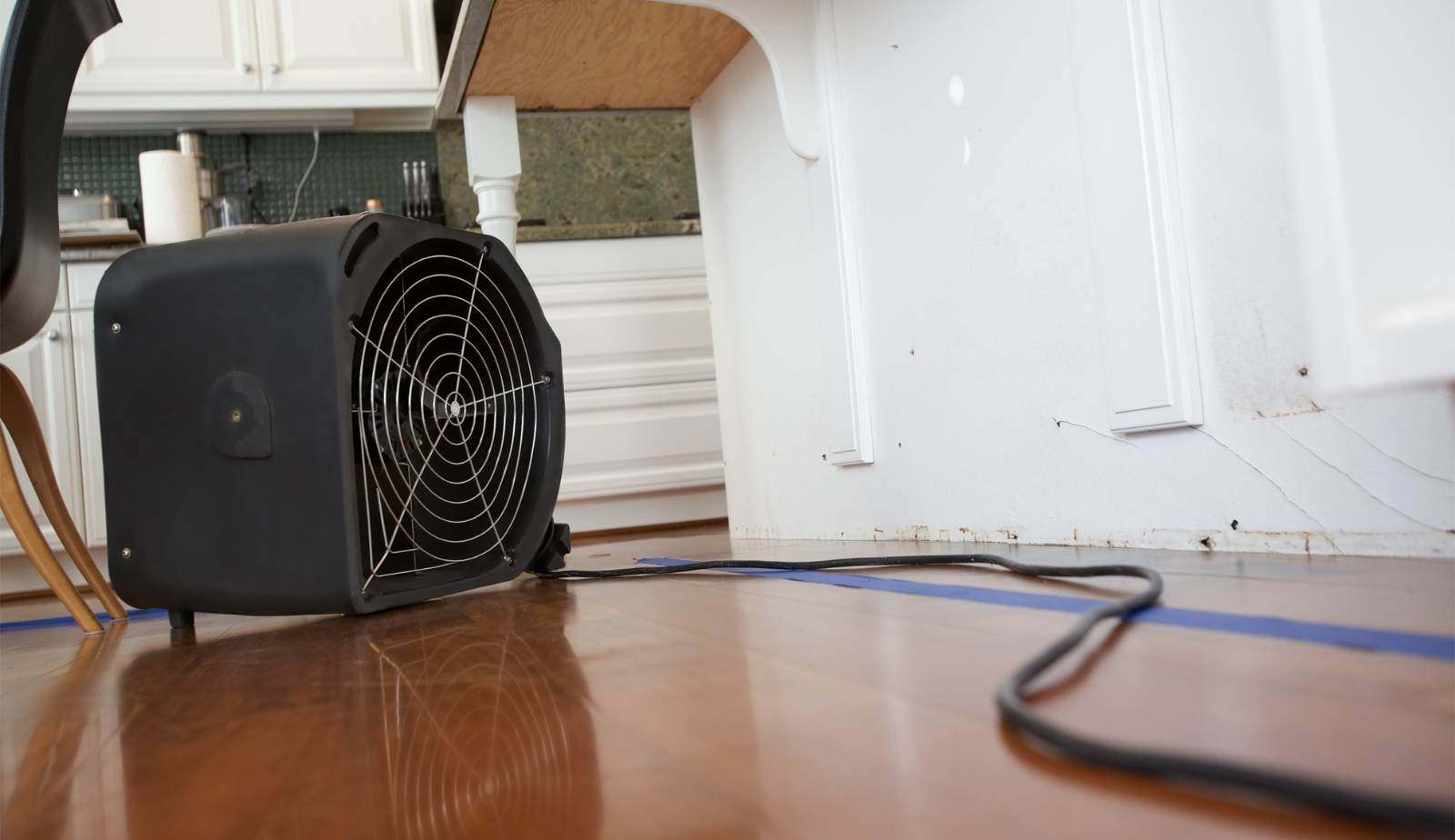
Your estimate will clearly outline the water extraction process, including the type and number of pumps needed, the expected timeline for water removal, and the structural drying plan. In Louisiana's climate, proper drying is critical to prevent mold growth, so we specify the industrial-grade dehumidifiers and air movers required for your specific situation.
For more information about our emergency water extraction services, we're available 24/7 to respond to water damage emergencies throughout Southern Louisiana.
Material Assessment and Removal
Your scope of work will categorize materials into three groups: salvageable items that can be dried and restored, materials requiring replacement due to contamination or structural compromise, and contents that need professional cleaning or disposal. This categorization directly impacts your estimate costs and helps you understand why certain materials must be removed.
Antimicrobial Treatment and Prevention
Given Louisiana's high humidity and mold-friendly environment, your estimate will include antimicrobial treatments to prevent microbial growth. We explain exactly which areas require treatment, the products we'll use, and why this step is essential for your long-term health and property value.
Transparent Billing Practices: What Sets Us Apart
At Drymax, we believe you deserve to understand exactly what you're paying for. Our billing practices reflect our commitment to transparency and fair pricing.
Detailed Line-Item Pricing
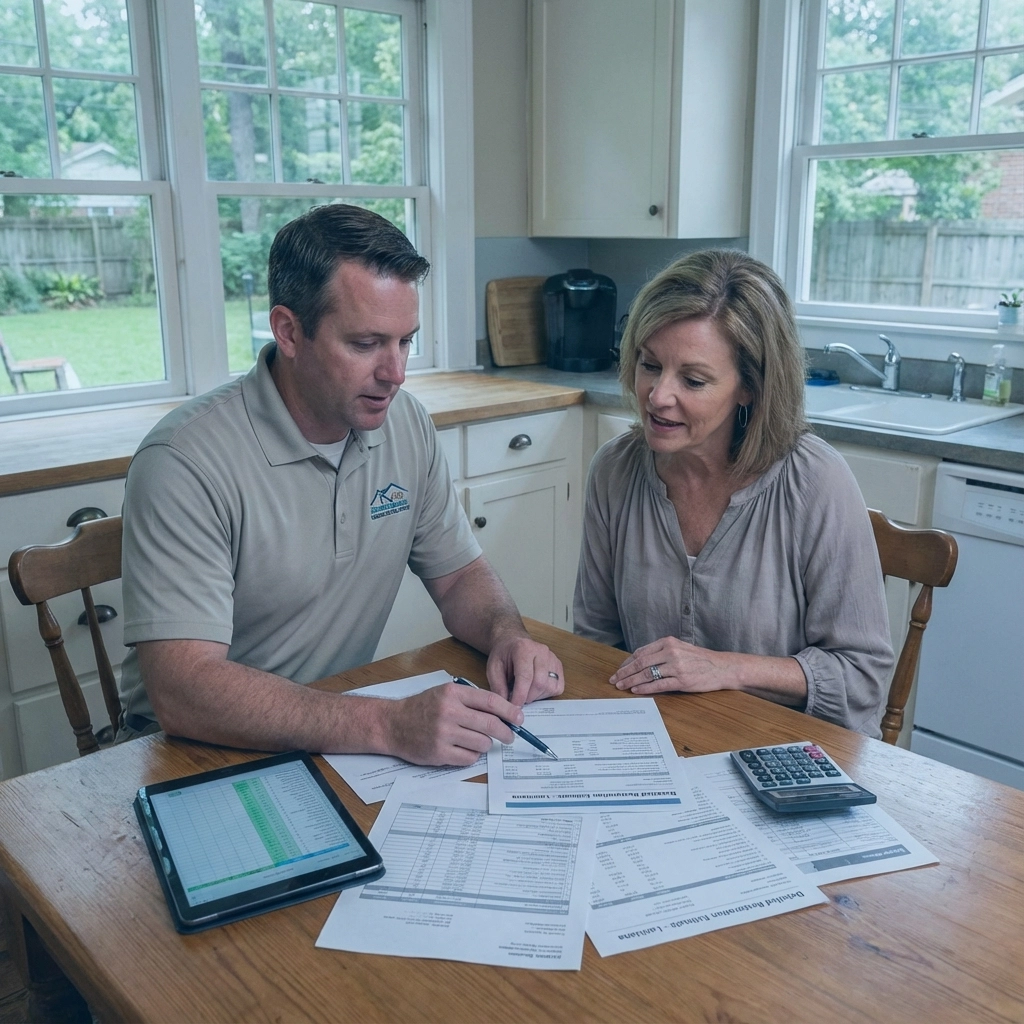
Your estimate breaks down costs into clear categories: labor, materials, equipment rental, and any specialized services. We provide unit pricing so you can see exactly how quantities were calculated. For example, if we're drying 500 square feet of hardwood flooring, your estimate shows the per-square-foot cost and the total.
No Hidden Fees or Surprise Charges
We include all anticipated costs in your initial estimate, including permit fees, disposal costs, and any specialized equipment rentals. If unexpected conditions arise during restoration: such as discovering additional water damage behind walls: we discuss these findings with you and provide written change orders before proceeding with additional work.
Insurance Collaboration
Our team works directly with your insurance adjuster to ensure your estimate aligns with industry standards and insurance requirements. We use industry-standard pricing software and follow IICRC guidelines, giving you confidence that your estimate is both accurate and defensible with your insurance company.
For guidance on working with insurance claims, our team can help navigate the process and advocate for proper coverage of your restoration needs.
Timeline Expectations: Realistic Scheduling
A professional estimate includes realistic timelines based on the extent of damage, material availability, and drying requirements. In Louisiana's humid climate, drying times may be extended compared to drier regions, and we factor this into our scheduling.
Phase-Based Restoration Timeline
Your estimate outlines restoration in phases: emergency response and water extraction (typically 24-48 hours), structural drying (3-7 days depending on materials and humidity levels), and reconstruction (varies based on extent of damage). We provide estimated completion dates for each phase, helping you plan accordingly.
Weather and Seasonal Considerations
Louisiana's weather patterns can impact restoration timelines, particularly during hurricane season or periods of high humidity. Your estimate accounts for these factors, and we maintain open communication about any weather-related delays that might affect your project timeline.
Quality Assurance and Follow-Up
Professional water damage restoration doesn't end when equipment is removed. Your estimate includes post-restoration moisture testing to verify that all materials have returned to normal moisture levels.
Documentation and Warranty
We provide detailed before, during, and after photos of your restoration project, along with moisture readings and air quality test results. This documentation serves as proof of proper restoration and supports any warranty claims.
Your estimate includes information about our service warranties and what they cover. We stand behind our work and want you to have confidence in the restoration quality long after we've finished the job.
Red Flags to Avoid in Water Damage Estimates
Not all restoration companies operate with the same level of transparency. Be wary of estimates that lack detail, refuse to break down costs, or pressure you to sign immediately. Professional estimates should be thorough, clearly written, and give you time to review and ask questions.
Avoid companies that demand full payment upfront or quote significantly below other professional estimates. Quality restoration requires proper equipment, certified technicians, and appropriate materials: all of which come at a fair market price.
Working with Drymax: Your Restoration Partner
At Drymax Water, Fire, Mold Restoration, we view every water damage estimate as the beginning of a partnership focused on returning your property to pre-loss condition. Our Southern Louisiana team understands the unique challenges our climate presents and tailors every estimate to address these regional considerations.
From the initial emergency call to final project completion, our commitment to transparency ensures you're informed every step of the way. We believe that informed clients make better decisions and have greater confidence in their restoration investment.
For immediate assistance with water damage in Southern Louisiana, contact our 24/7 emergency response team. We're here to help restore your property and your peace of mind with professional, transparent service you can trust.
Whether you're dealing with storm damage, plumbing failures, or appliance leaks, understanding what to expect from a professional water damage estimate empowers you to make informed decisions during a stressful time. At Drymax, we're committed to earning your trust through clear communication, honest pricing, and exceptional restoration results.