The Annual Chimney Check: Why lighting that first decorative fire of the year could lead to a soot restoration project
The Annual Chimney Check: Why lighting that first decorative fire of the year could lead to a soot restoration project
![[HERO] The Annual Chimney Check: Why lighting that first decorative fire of the year could lead to a soot restoration project](https://cdn.marblism.com/VNxMdAf25uP.webp)
Look, we don't get a lot of snow days down here in Southern Louisiana. When the temperature drops below 60, half of us are pulling out winter coats we haven't worn in years. But there's something about that first cool evening in late fall or winter that makes you want to light up the fireplace: even if it's mostly for ambiance.
Here's the thing nobody thinks about until it's too late: that chimney you haven't used since last February? It's been sitting idle for months, and a lot can happen in that time. Light that fire without checking things out first, and you might be calling Drymax Restoration for a soot cleanup that could've been avoided.
What Actually Happens to Your Chimney During the Off-Season
Your chimney doesn't just sit there doing nothing when you're not using it. It's still exposed to the elements: rain, humidity, heat, and whatever decides to make a home up there. Southern Louisiana's climate is particularly rough on chimneys because of the moisture and temperature swings.
During spring and summer, humidity can cause moisture to seep into cracks in the masonry. When temperatures heat up, that moisture expands. When it cools, it contracts. This cycle creates small cracks that get bigger over time. Meanwhile, leaves, twigs, and debris blow in during storms. Birds, squirrels, and other wildlife see your chimney as prime real estate. One homeowner in Baton Rouge found an entire family of raccoons had moved into their chimney flue over the summer. You can imagine how that first fire would've gone.
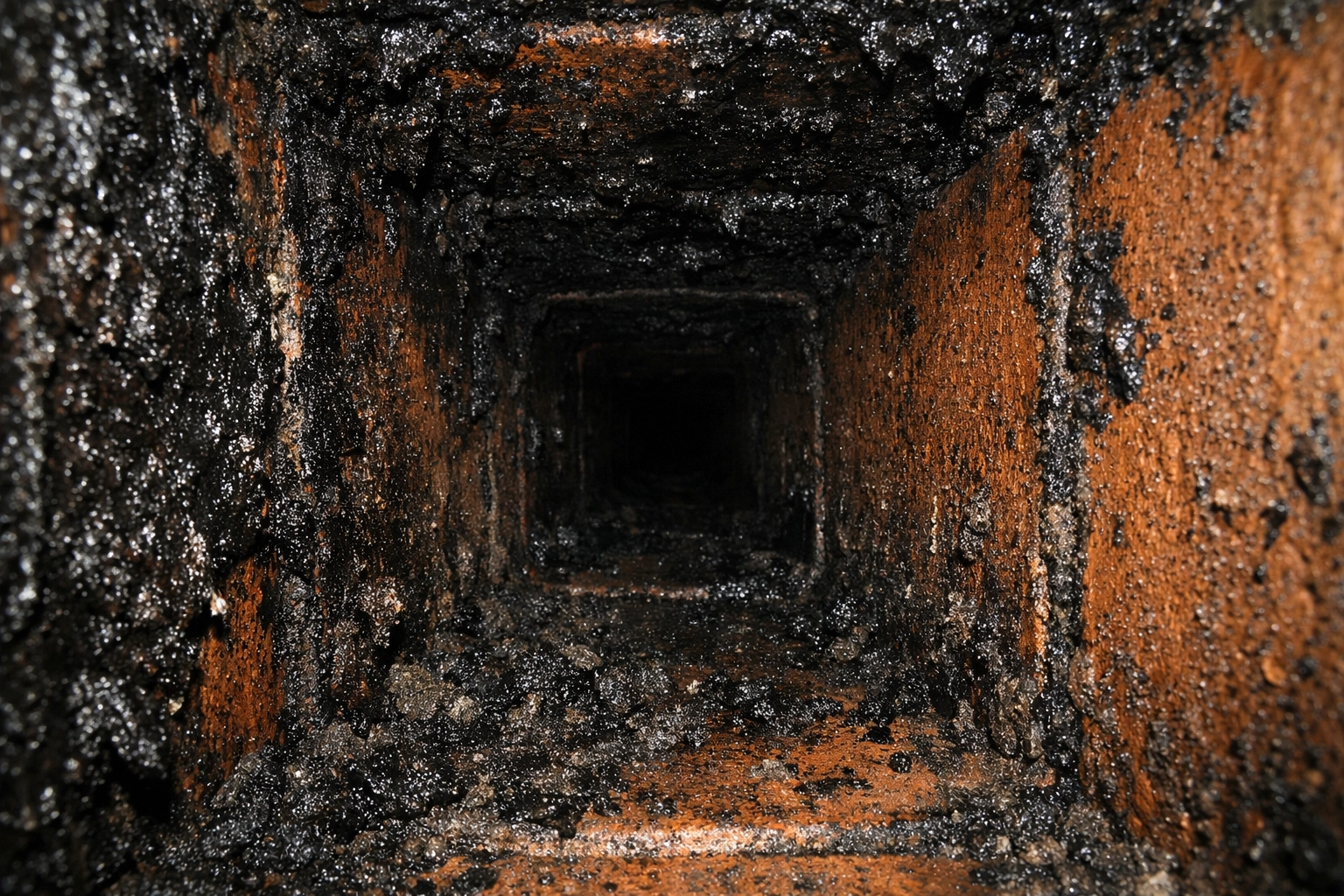
The creosote that built up from last year's fires is still sitting there, coating the inside of your flue. Creosote is that black, tar-like substance that forms when wood smoke condenses on the cool chimney walls. It's highly flammable, and it doesn't just disappear on its own.
The Creosote Problem: A Fire Waiting to Happen
Creosote buildup is the number one cause of chimney fires in the United States. According to the Chimney Safety Institute of America, there are roughly 25,000 chimney fires every year, and most of them are completely preventable.
Here's how it works: when you burn wood, the smoke rises and cools as it travels up the chimney. As it cools, it deposits creosote on the chimney walls. The cooler the smoke, the more creosote gets left behind. If you're burning unseasoned wood (which a lot of folks do without realizing it), you're creating even more creosote because wet wood burns at a lower temperature.
Over time, this stuff accumulates. It starts as a flaky residue, then turns into a harder, tar-like coating, and eventually becomes a shiny, glaze-like substance that's incredibly difficult to remove. All three stages are flammable, but that glazed creosote? That's basically solid fuel.
When you light that first fire of the season without having your chimney inspected and cleaned, you're essentially lighting a match in a room filled with gasoline. The creosote can ignite, causing flames to shoot up the inside of your chimney. Sometimes these fires burn hot and fast: you'll hear a roaring sound, see flames shooting out of the top of your chimney, and know immediately something's wrong.
But other times, chimney fires are slow-burning and go unnoticed until significant damage has been done. These fires can crack your flue liner, damage the masonry, and allow heat to transfer to combustible materials in your walls. By the time you realize there's a problem, you're looking at serious fire damage restoration.
Blockages: When Smoke Has Nowhere to Go
Even if you don't have a chimney fire, blockages can cause major problems. This is especially common in areas like Lafayette, Lake Charles, and the surrounding parishes where we get intense storms and high winds.
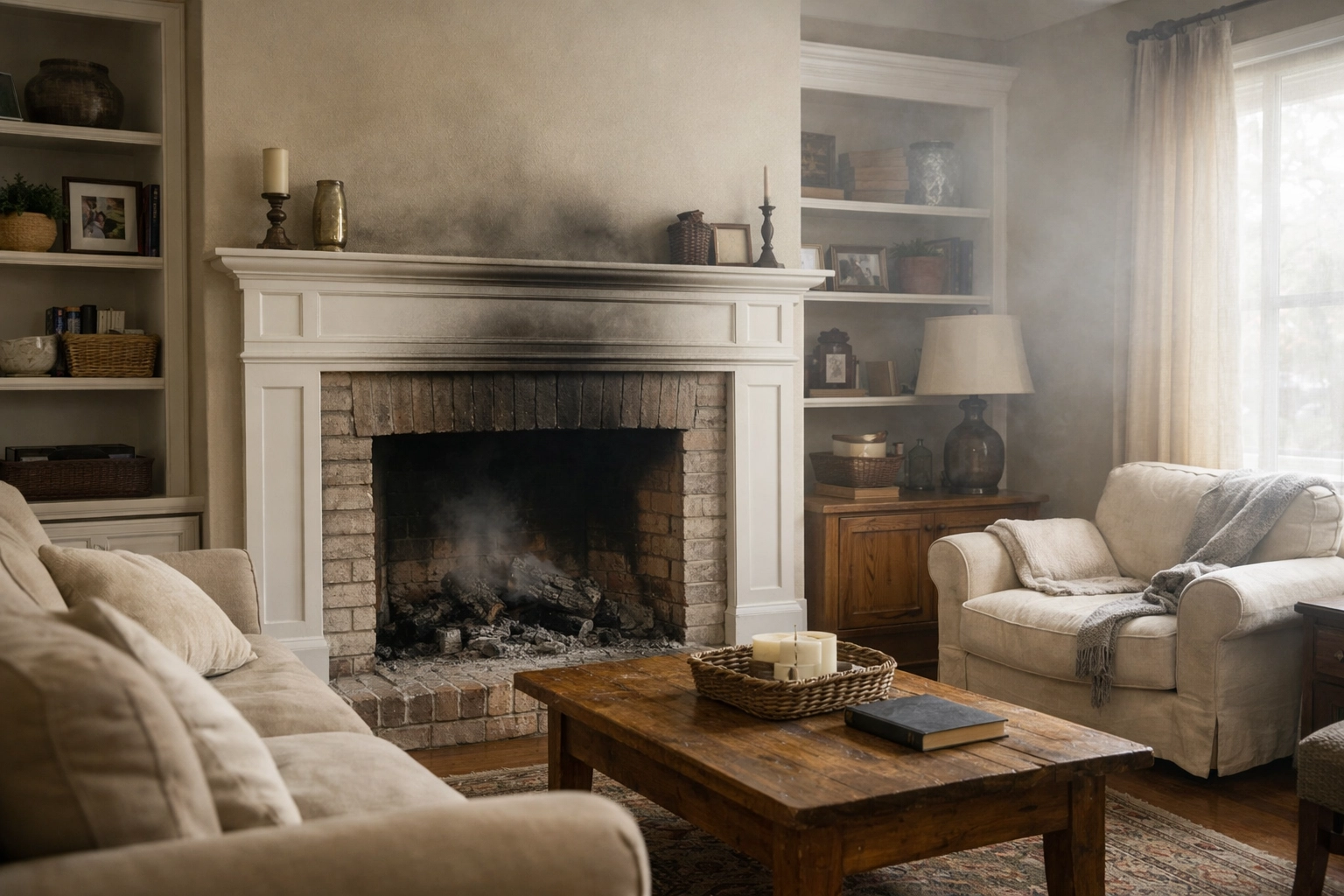
A blocked chimney means smoke and soot have nowhere to go except back into your house. You light what you think will be a cozy fire, and within minutes, your living room is filling with smoke. The smell is immediate and overwhelming. Smoke alarms start going off. You open windows and doors, trying to clear the air, but the damage is already being done.
Soot is incredibly fine and pervasive. It settles on walls, ceilings, furniture, curtains, and carpets. It gets into your HVAC system and spreads throughout the house. That black, oily residue doesn't just wipe away: it requires professional smoke and soot cleanup to properly remove.
We've seen cases where homeowners tried to clean up soot damage themselves, only to make it worse. Soot is acidic and can cause permanent staining and corrosion if not treated quickly and correctly. It also has a distinct smell that lingers if not properly remediated.
Common blockages include:
- Bird nests and animal dens
- Leaves, branches, and storm debris
- Collapsed sections of the flue liner
- Deteriorated mortar that has fallen and created obstructions
- In rare cases, beehives or wasp nests
All of these can turn your decorative fire into a smoke disaster that requires professional restoration services.
The Hidden Structural Issues
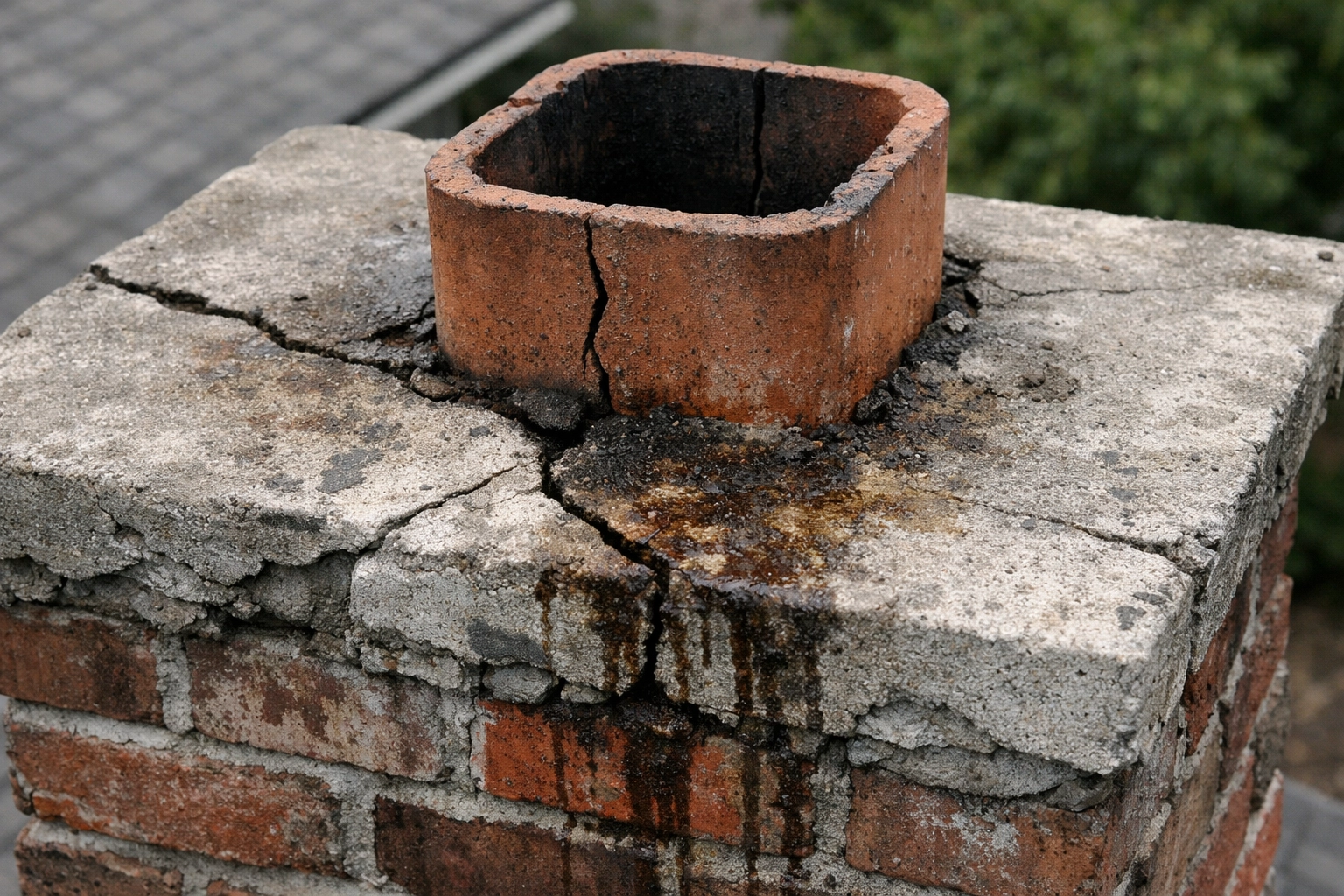
Here's what you can't see from the ground: the inside of your chimney might be falling apart. Flue liners crack. Mortar deteriorates. Water damage creates weak spots in the masonry. In coastal areas like Houma or Morgan City, salt air accelerates this deterioration.
When you have cracks or gaps in your chimney structure, a few things can happen:
Carbon Monoxide Leaks: This is the most dangerous scenario. If your flue is damaged, carbon monoxide: an odorless, colorless, deadly gas: can seep into your home instead of venting outside. You won't smell it or see it, but it can make you seriously ill or worse.
Heat Transfer to Combustibles: Cracks in the flue can allow extreme heat to reach wooden framing, insulation, or other flammable materials in your walls or attic. This is how house fires start without anyone realizing there's a problem until it's too late.
Smoke and Soot Infiltration: Even small cracks can allow smoke and soot to escape into the areas between your walls. You might not see smoke pouring into your living room, but over time, you'll notice discoloration on walls, ceilings, and around the fireplace. By then, you're dealing with hidden soot damage that's expensive to remediate.
Water Damage: Cracks in the chimney crown or masonry allow water to enter. In Louisiana's humid climate with frequent rain, this becomes a major issue. Water running down inside your chimney can cause rust, deterioration, and even lead to water damage in adjacent rooms and ceilings.
What a Soot Restoration Project Actually Involves
If you skip that annual inspection and end up with soot damage from a backed-up chimney or a small chimney fire, here's what you're looking at:
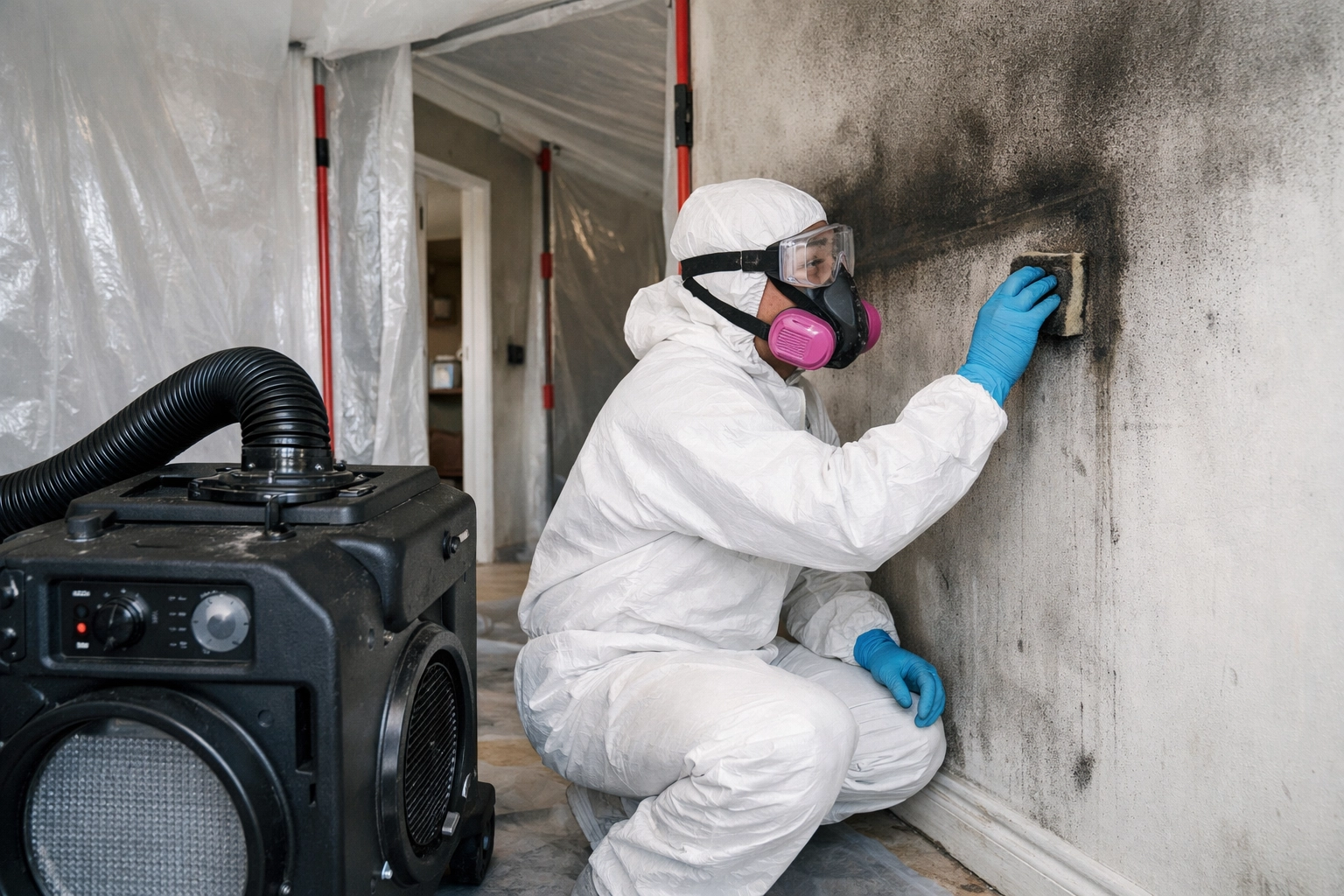
Assessment and Containment: First, restoration professionals need to assess the extent of the damage. Soot doesn't stay in one room: it travels through your HVAC system and can affect multiple areas of your home. The affected areas are sealed off to prevent cross-contamination during cleanup.
Air Scrubbing: Industrial air scrubbers with HEPA filters run continuously to remove soot particles from the air. This prevents further spread and makes the space safe to work in.
Surface Cleaning: Every surface needs specialized cleaning. Soot can't just be wiped away: it requires specific cleaning agents and techniques. Walls, ceilings, floors, furniture, and belongings all need to be individually cleaned or deemed unsalvageable.
Odor Removal: Smoke odor penetrates porous materials like drywall, wood, and fabric. Professional odor removal often involves thermal fogging, ozone treatment, or hydroxyl generators to neutralize odors at the molecular level.
HVAC Cleaning: If soot entered your HVAC system, the entire system needs to be professionally cleaned. Otherwise, every time your AC or heat kicks on, you're circulating soot particles throughout your home.
Restoration and Repairs: Depending on the severity, you might need drywall replacement, painting, carpet replacement, or refinishing of wooden surfaces. In cases involving actual fire damage to the chimney structure, masonry repairs are necessary.
The average soot restoration project can take anywhere from a few days to several weeks, depending on the extent of the damage. Costs can easily run into thousands of dollars: money that could've been saved with a $150-$300 annual chimney inspection.
The Annual Inspection: Your Best Defense
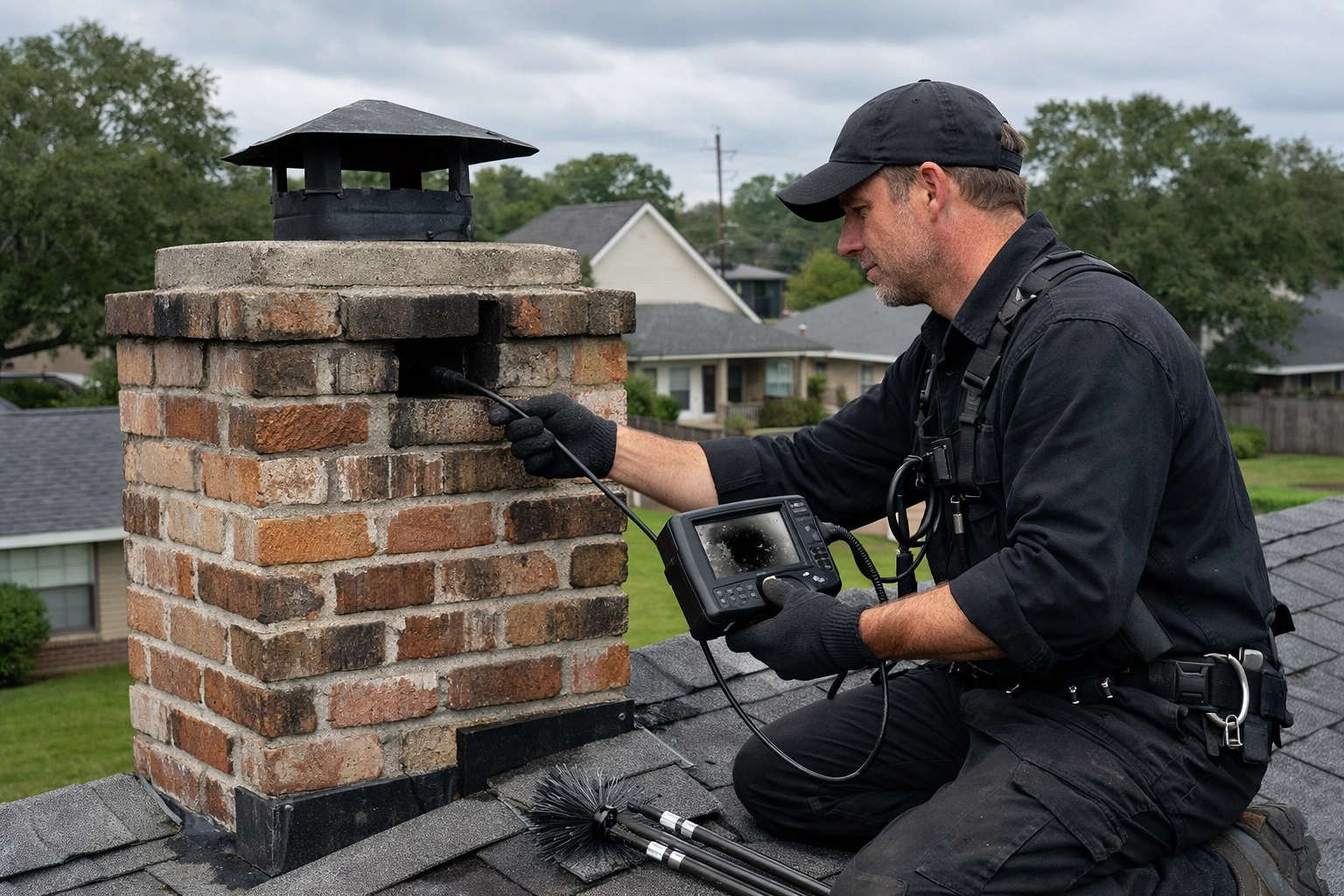
Professional chimney inspections aren't just about checking for obvious problems. Certified chimney sweeps use specialized cameras to inspect the entire length of your flue, looking for cracks, blockages, creosote buildup, and structural issues that aren't visible from the fireplace opening or roof.
They measure creosote accumulation and remove it before it becomes a fire hazard. They check the chimney cap and crown for damage. They look for signs of water intrusion, animal activity, and deterioration. They test the draft to make sure smoke will properly exit your home.
This is especially important in Southern Louisiana, where homes are subject to hurricanes, tropical storms, and the constant humidity that accelerates deterioration. A chimney that was fine last year might have developed significant issues after a particularly rough storm season.
Most chimney professionals recommend annual inspections even if you only use your fireplace occasionally. The National Fire Protection Association requires that "chimneys, fireplaces, and vents shall be inspected at least once a year for soundness, freedom from deposits, and correct clearances."
For homes with heavy fireplace use (burning more than 70 fires per season), inspections should happen more frequently. For our climate where fireplaces are decorative and used sparingly, once a year before the first fire of the season is the standard recommendation.
The Real Cost of Skipping Maintenance
Let's talk numbers. An annual chimney inspection and cleaning typically costs between $150 and $400, depending on your location and the condition of your chimney. If minor repairs are needed: like replacing a damaged chimney cap or repointing some mortar: you might add another $200-$500.
Now compare that to the cost of a soot restoration project: $3,000 to $10,000 or more, depending on the extent of the damage. Add in the cost of temporary housing if your home is unlivable during restoration, the replacement cost of damaged belongings, and the potential increase in insurance premiums after filing a claim.
And that's if you catch the problem before it turns into an actual structure fire. Fire damage restoration for even a relatively minor house fire can easily exceed $50,000.
The math is pretty clear.
Protecting Your Home This Season
Before you light that first fire, do yourself a favor and get your chimney inspected. Find a CSIA-certified chimney sweep in your area. Schedule it now, before the holiday season hits and everyone else has the same idea.
If you're in the Baton Rouge, Lafayette, Lake Charles, or surrounding areas and you're experiencing smoke or soot issues, Drymax Restoration specializes in smoke and soot cleanup as well as comprehensive fire damage restoration. Don't wait until minor smoke damage becomes a major restoration project.
Your fireplace should be a source of warmth and comfort, not a source of expensive repairs and potential danger. That decorative fire isn't worth the risk if your chimney hasn't been properly maintained. Get the inspection, address any issues, and then enjoy your fire with peace of mind.
The alternative is calling a restoration company at 2 AM because your house is filled with smoke, spending weeks dealing with cleanup, and explaining to your insurance company how you skipped the annual inspection that would've prevented the whole mess.
Annual chimney maintenance isn't exciting, and it's easy to forget about when you're not using your fireplace regularly. But it's one of those things that pays for itself the moment it prevents a disaster. Take care of your chimney, and it'll take care of you when you need that cozy fire on a cold Louisiana evening.