Winter Weather Water Damage? Yes, Even in Louisiana. Insight from Drymax.
Winter Weather Water Damage? Yes, Even in Louisiana. Insight from Drymax.
When most people think about winter weather water damage, they picture burst pipes in Minnesota or ice dams in Maine. Louisiana? Not so much. But here's the reality: even the Bayou State experiences its fair share of winter-related water damage, and many homeowners and business owners are caught completely off guard.
Our friends at Drymax Restoration, a trusted member of the Mastertech family, see this firsthand every winter season. While Louisiana's winters might seem mild compared to northern states, the unique climate conditions actually create some surprising water damage risks that many property owners simply don't see coming.
Why Louisiana's "Mild" Winters Pack a Hidden Punch
Louisiana's subtropical climate creates a perfect storm for unexpected water damage. Unlike states that experience consistent freezing temperatures for months, Louisiana sees dramatic temperature swings that catch both homeowners and their plumbing systems unprepared.
"We get calls every January from shocked homeowners who never thought they'd deal with frozen pipes," explains the team at Drymax Restoration. "The problem isn't sustained cold: it's those sudden overnight drops that go from 60 degrees to 25 degrees in just a few hours."
These rapid temperature changes are particularly dangerous because:
- Homes aren't built for extreme cold: Most Louisiana homes lack the heavy insulation and pipe protection found in colder climates
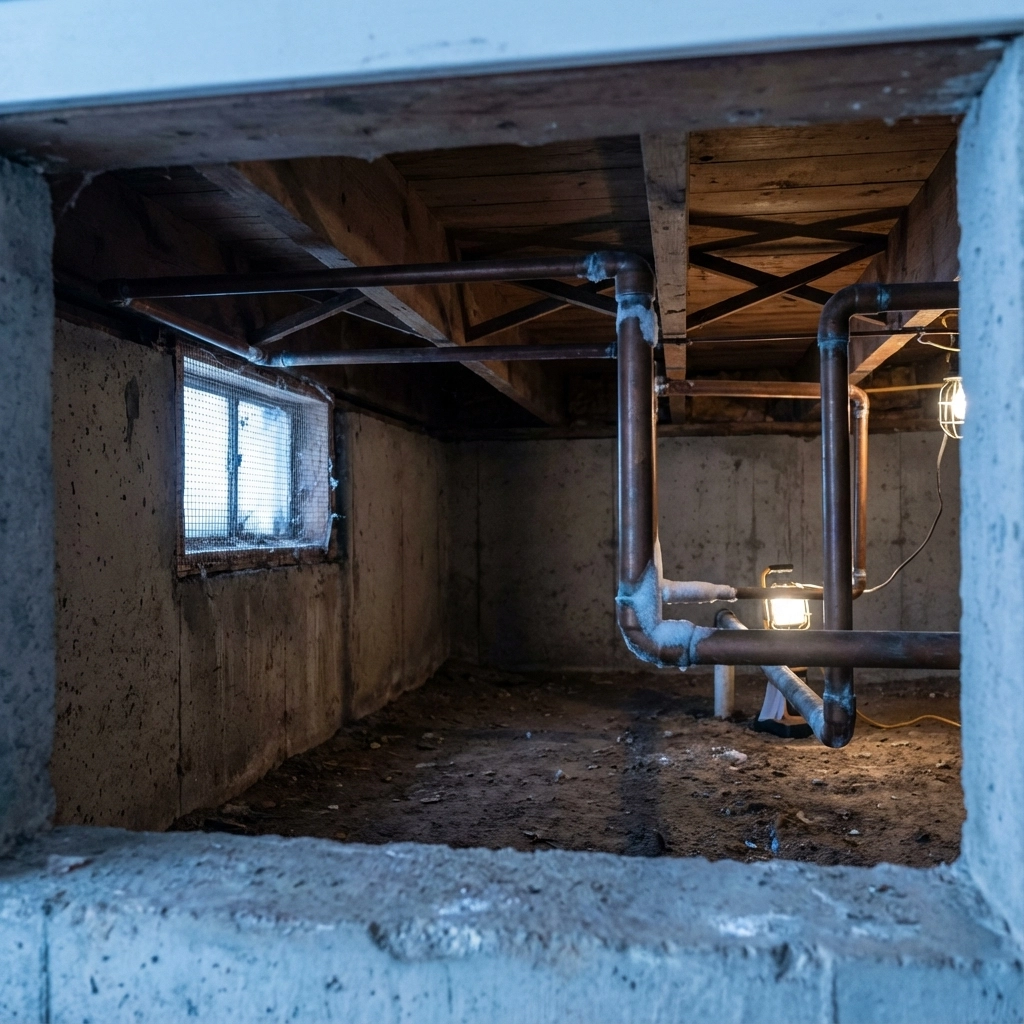
- Plumbing systems are vulnerable: Pipes often run through unheated crawl spaces, attics, or exterior walls without adequate protection
- Residents are unprepared: Many homeowners don't know basic freeze prevention techniques
The Unique Winter Water Damage Threats Louisiana Faces
Sudden Freeze Events
Louisiana's winter weather pattern typically involves brief but intense cold snaps. These events can drop temperatures below freezing for 12-24 hours, which is plenty of time to freeze unprotected pipes. The damage often occurs during the thaw when ice expands and contracts, creating cracks and bursts.
High Humidity and Condensation Issues
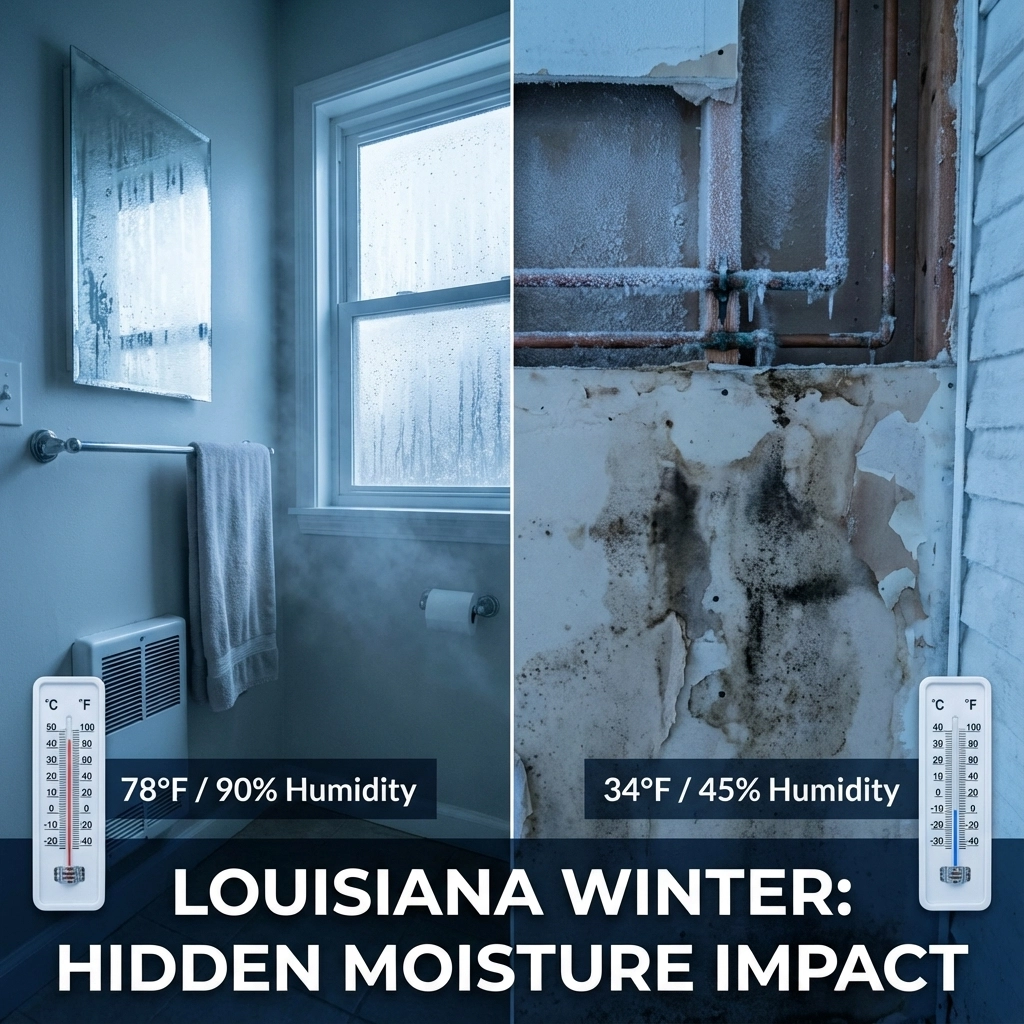
Louisiana's naturally high humidity doesn't disappear in winter. When warm, humid air meets cold surfaces during temperature drops, condensation becomes a major problem. This moisture can:
- Accumulate in walls and cause hidden mold growth
- Damage insulation and reduce its effectiveness
- Create ideal conditions for mold development in basements and crawl spaces
Storm System Water Intrusion
Louisiana's winter storm systems often bring heavy rainfall combined with temperature drops. This combination can overwhelm drainage systems and create flooding conditions, especially when frozen ground prevents proper water absorption.
HVAC System Failures
When heating systems work overtime during cold snaps, they're more likely to fail. A broken heating system during a freeze event can quickly lead to widespread pipe damage throughout a property.
Regional Climate Realities: What Makes Louisiana Different
Understanding Louisiana's specific climate challenges is crucial for effective water damage prevention. The state's position along the Gulf Coast creates several unique conditions:
Temperature Volatility
Louisiana experiences some of the most dramatic temperature swings in the country. A typical winter week might see temperatures ranging from 70 degrees to 20 degrees. This volatility makes it nearly impossible for both homeowners and their homes to properly acclimate.
Extended Hurricane Season Effects
Hurricane season officially ends November 30th, but storm damage often leaves homes vulnerable well into winter months. Compromised roofing, damaged gutters, and weakened foundations from summer storms create perfect entry points for winter weather damage.
Soil Conditions
Louisiana's clay-heavy soil doesn't drain well under normal conditions. When temperatures freeze and thaw repeatedly, soil expansion and contraction can stress foundation systems and underground pipes.
Prevention Strategies That Actually Work in Louisiana
Based on insights from Drymax Restoration and years of winter damage restoration experience, here are the most effective prevention strategies for Louisiana property owners:
Pipe Protection Basics
Insulate Vulnerable Areas: Focus on pipes in crawl spaces, attics, and exterior walls. Even simple foam pipe insulation can prevent thousands of dollars in damage.
Know Your Shutoff Locations: Every family member should know where the main water shutoff valve is located. During a freeze emergency, every minute counts.
Maintain Consistent Temperatures: Avoid the temptation to drastically lower thermostats during mild days. Consistent indoor temperatures help prevent pipe freezing during sudden cold snaps.
Advanced Prevention Techniques
Install Pipe Heating Cables: For consistently problematic areas, heating cables provide reliable freeze protection.
Upgrade Insulation: Consider upgrading attic and crawl space insulation to R-30 or higher.
Seal Air Leaks: Cold air infiltration around pipes dramatically increases freeze risk. Seal gaps around pipes where they enter walls or floors.
Business-Specific Considerations
Commercial properties face additional challenges:
- Larger pipe networks mean more potential failure points
- After-hours freezing often goes undetected until significant damage occurs
- Sprinkler systems require special winterization procedures
When Water Damage Strikes: Louisiana-Specific Response
Despite best prevention efforts, water damage sometimes occurs. Louisiana's climate creates unique restoration challenges that require specialized expertise.
Immediate Response Steps
- Shut off water supply at the main valve
- Document damage with photos for insurance purposes
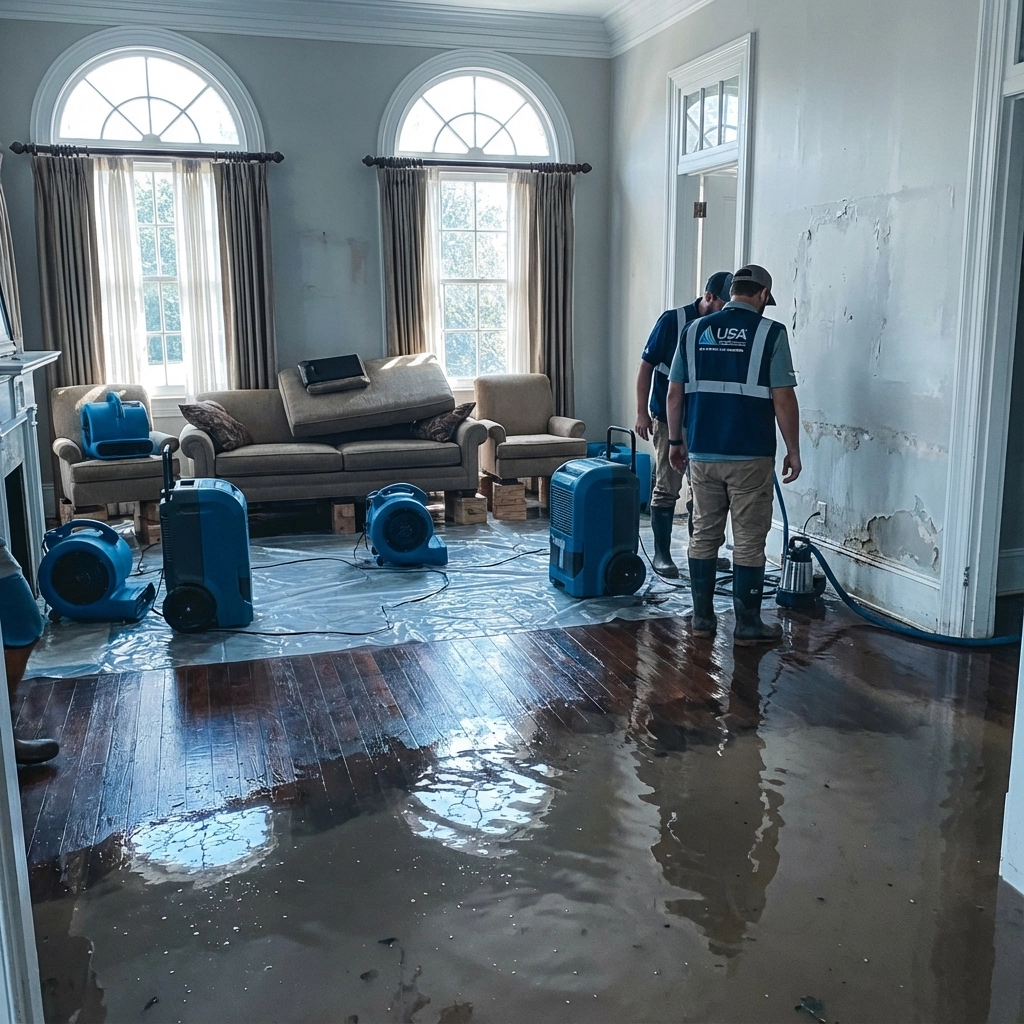
- Remove standing water as quickly as possible
- Contact professionals within 24-48 hours to prevent mold growth
The Louisiana Mold Factor
Louisiana's humidity creates accelerated mold growth timelines. What might take a week to develop in dry climates can appear in 48-72 hours in Louisiana conditions. This makes professional water damage restoration even more critical.
Professional Insights from the Drymax Team
The restoration experts at Drymax Restoration emphasize that Louisiana homeowners should treat winter weather preparation as seriously as hurricane preparation. "We see the same level of devastation from winter water damage that we see from summer storms," they note. "The difference is that people are prepared for hurricanes but completely caught off guard by winter damage."
Key insights from their field experience:
Hidden Damage Indicators
- Musty odors that develop after cold snaps
- Increased utility bills from compromised insulation
- Ceiling stains that appear weeks after freezing events
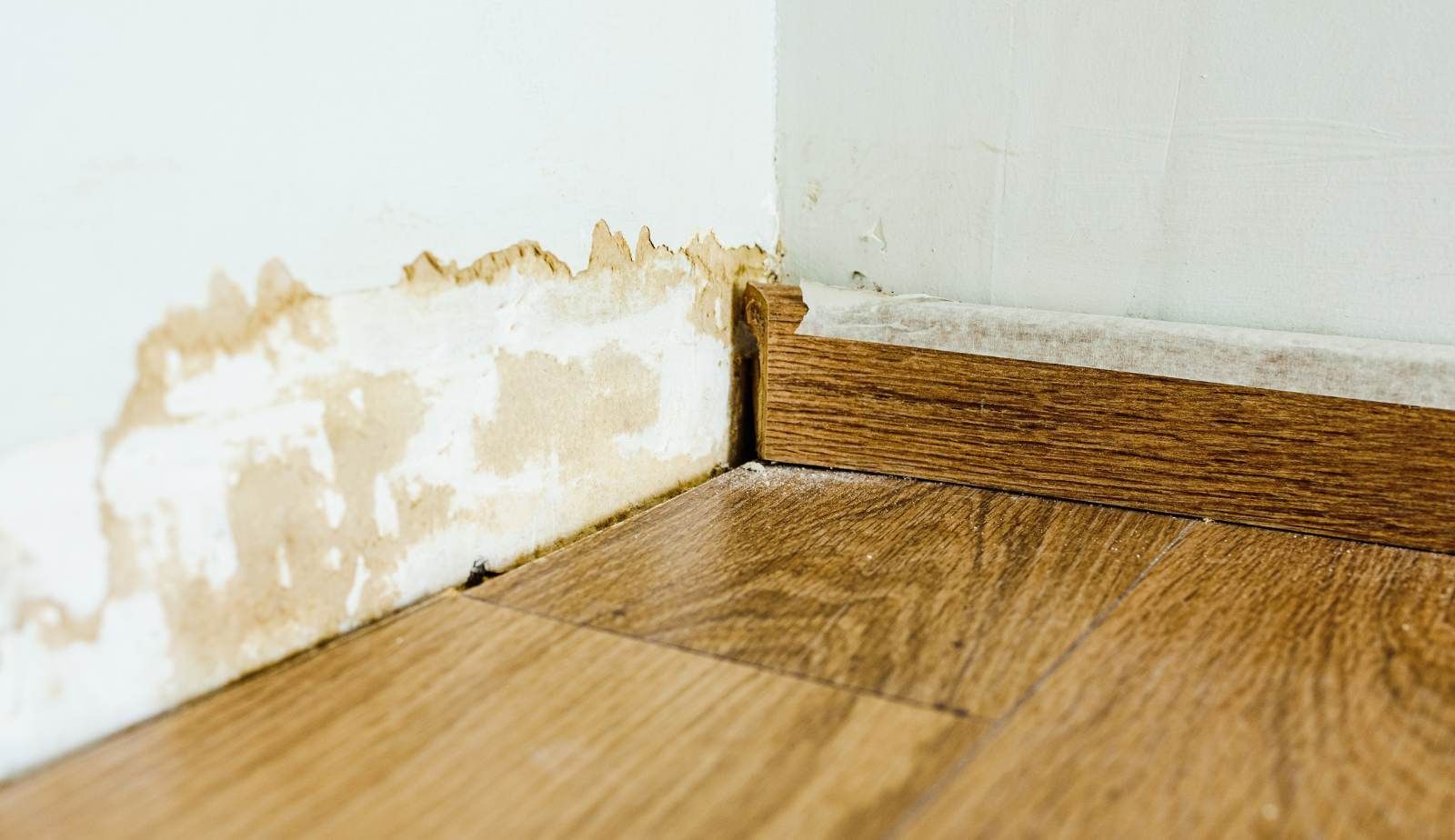
- Floor warping in areas near exterior walls
Insurance Considerations
Many Louisiana homeowners assume their standard policies cover all water damage, but freeze-related damage often requires specific coverage. Review policies annually and understand exclusions.
Restoration Timeline
Winter water damage restoration in Louisiana typically takes 3-5 days longer than in drier climates due to extended drying times required to prevent mold development.
When to Call for Professional Help
While some prevention measures are DIY-friendly, certain situations require professional intervention:
Emergency Situations
- Active leaks during freezing weather
- No water pressure throughout the house
- Visible pipe damage or burst pipes
- Standing water in living spaces
Professional Assessment Needs
Consider professional mold testing if you notice:
- Persistent musty odors after water events
- Health symptoms that coincide with weather events
- Visible discoloration on walls or ceilings
- Increased allergy symptoms during winter months
Looking Ahead: Preparing for Louisiana's Winter Reality
Climate patterns suggest Louisiana winters may become more unpredictable, with more frequent temperature extremes. Property owners who acknowledge this reality and prepare accordingly will save themselves significant headaches and expenses.
The team at Drymax Restoration recommends treating winter preparation as an annual maintenance task, just like air conditioning tune-ups or roof inspections. Create a winter preparation checklist in November, and review it each year as weather patterns evolve.
Remember, water damage doesn't discriminate based on geographic location. Even in Louisiana's mild climate, winter weather can create serious property damage and health risks. The key is understanding your specific risks and taking proactive steps to protect your property and family.
Whether you're a homeowner in New Orleans or a business owner in Shreveport, winter weather water damage is a real threat that deserves serious attention and professional preparation.