Holiday Fire Hazards: Louisiana Tips for Homeowners from Drymax for a Safe Season
Holiday celebrations bring warmth and joy, but they also increase the risk of home fires, especially in Louisiana’s cold and festive season. Decorations, lights, and heating sources create common hazards that can quickly turn a joyful occasion into a dangerous situation. Understanding these risks and taking simple safety steps can significantly reduce the chance of holiday fires in homes.
Drymax emphasizes the importance of keeping Christmas trees well-watered, avoiding placing decorations near heat sources, and inspecting holiday lights for damage before use. These practical measures address the leading causes of holiday fires, which often involve electrical issues and flammable decorations.
With increased fire incidents during the winter months, Louisiana homeowners must stay vigilant. By following tested fire safety guidelines, families can enjoy holiday traditions while protecting their homes from preventable fire hazards.
Understanding Holiday Fire Hazards in Louisiana
Winter holiday celebrations in Louisiana bring increased fire risks due to seasonal decorations, heating methods, and unique local factors. Recognizing why home fires rise during this period and identifying state-specific dangers can help homeowners protect their properties and families.
Why Home Fires Increase During Winter Holidays
Home fires spike during winter holidays largely because of increased use of heating appliances, decorative lighting, and open flames. The National Fire Protection Association (NFPA) reports nearly one-third of home decoration fires occur in December. Electrical malfunctions and unattended candles are common causes.
Heating equipment like fireplaces, radiators, and space heaters add to the risk, especially when placed near flammable holiday decorations. Overloaded outlets from string lights or damaged cords can create sparks. The presence of dry Christmas trees further elevates fire hazards, as they ignite easily without proper watering.
Social gatherings involving alcohol and smoking also contribute to accidents. Combined, these factors significantly raise fire incidents in homes during the holidays.
Key Louisiana-Specific Fire Risks for Homeowners
Louisiana homeowners face distinct challenges during the holidays due to climate and cultural practices. The warmer climate means many still use heating devices indoors, increasing close proximity of decorations to heat sources. Fire departments report decoration fires often result from placing ornaments too near fireplaces and heaters.
Additionally, holiday lighting used extensively in homes and outdoor displays sometimes involves older electrical systems common in older Louisiana residences. The risk intensifies when non-UL-listed or damaged lights are used.
Cultural festivities often include candles and open flames, which require careful supervision. The combination of these factors makes adherence to fire safety guidelines crucial in Louisiana, including keeping trees watered and maintaining safe distances between heat sources and flammable materials.
Holiday Fire Safety Tips Every Homeowner Should Know
Holiday fire risks increase due to decorations, cooking, and heating devices. Taking specific precautions can reduce these hazards significantly and protect both people and property through practical measures and the right equipment.
Best Practices for Holiday Fire Safety
Homeowners should keep all flammable items like curtains, towels, and paper products away from heat sources such as stovetops and fireplaces. Decorations must be flame-resistant or non-combustible, and electrical lights should be checked for damaged wires before use.
Candles require extra caution: they should never be left unattended and must be placed on stable, non-flammable surfaces. Assigning a responsible person to ensure candles and smoking materials are fully extinguished before leaving a room or going to bed can prevent fires.
Using a fire screen in front of fireplaces reduces the risk of sparks igniting nearby materials. Maintaining clear paths around heaters and avoiding overloading electrical outlets are vital to prevent electrical fires.
Protecting Loved Ones and Property
Smoke alarms play a critical role in early fire detection. Homeowners should test alarms monthly and replace smoke alarms every ten years. Carbon monoxide detectors are also necessary and should be replaced every five to seven years.
During holiday gatherings, it is important to have an escape plan that all family members know. Exits should remain unobstructed, and everyone should understand what to do if a fire occurs.
Supervising cooking activities and keeping a fire extinguisher nearby are essential, as unattended cooking is a common cause of holiday fires. Children should be kept away from open flames and hot surfaces.
Essential Fire Safety Supplies
A well-prepared home includes fire extinguishers placed in the kitchen, near fireplaces, and on every floor. Homeowners should know how to operate them properly.
Smoke alarms and carbon monoxide detectors must be installed on every level of the home and inside bedrooms. Keeping batteries fresh or using hardwired models ensures uninterrupted protection.
Having fire-safe decorations, a fire screen for fireplaces, and clear access to exits completes the essential safety kit. Regular maintenance of heating equipment and electrical cords reduces the chance of malfunctions causing fires.
Preventing Christmas Tree Fires
Christmas trees can quickly become fire hazards if not properly selected, maintained, and disposed of. Homeowners should focus on choosing fresh, flame-resistant trees, keeping them well-watered, and ensuring safe removal after the holidays to minimize fire risks.
Christmas Tree Selection and Placement
Selecting a fresh tree with green, flexible needles is critical for reducing fire danger. A dry tree ignites and burns much faster than a well-hydrated one. Artificial trees should be labeled as flame retardant.
Placement is equally important. Trees must stand at least three feet away from heat sources such as fireplaces, radiators, portable heaters, and candles.
Keep the tree away from doorways and high-traffic areas to prevent it from being knocked over. Using flame-retardant decorations and lights meeting safety standards further reduces risk.
Watering and Maintenance
Consistent watering keeps a natural tree moist and less likely to catch fire. A well-watered tree can absorb large amounts of water daily, preventing needles from drying out.
Homeowners should check water levels daily and refill the tree stand to keep the base submerged. Removing fallen needles regularly limits flammable debris accumulation.
Inspect lights and electrical cords for damage before use. Avoid overloading outlets or using extension cords improperly. Turn off tree lights when unattended or when leaving the home.
Disposal of Real Trees
Proper disposal after the holidays prevents leftover dry material from becoming a fire hazard. Most communities offer tree recycling or collection programs specifically for this purpose.
If no program is available, trees should be cut into smaller pieces and kept away from homes and structures until proper disposal. Never burn Christmas trees indoors or in fire pits, as they can ignite quickly and produce toxic smoke.
Homeowners must ensure that disposal methods comply with local regulations to maintain neighborhood safety and reduce potential emergency incidents.
Electrical and Christmas Light Safety
Proper care with holiday electrical decorations reduces the risk of fires and electrical hazards in Louisiana homes. Homeowners must ensure their Christmas lights and wiring are safe and well-maintained. Using appropriate devices and following specific safety steps can prevent common electrical issues.
Inspecting Holiday Lights and Decorations
Before hanging any lights, homeowners should carefully check all cords and bulbs for damage. Look for frayed wires, cracked insulation, loose connections, or broken bulbs. Damaged strands increase the risk of electrical shorts and sparks.
Only use lights tested and approved by recognized safety organizations. Replace any defective or outdated decorations. Avoid overloading electrical outlets or extension cords to reduce overheating. Proper inspection helps prevent fires caused by faulty Christmas lights and decorations.
Indoor vs. Outdoor Christmas Lights
Indoor and outdoor Christmas lights are designed with different safety standards. Outdoor lights have weather-resistant insulation and connectors to handle moisture and temperature changes. Using indoor lights outside can lead to electrical shorts and fires.
When selecting lights, always check the packaging to confirm if they are rated for outdoor or indoor use. Outdoor extensions cords should also have weatherproofing features. Installing the proper type reduces the risk of damage and fire hazards in various environments.
Using Ground Fault Circuit Interrupters (GFCIs)
GFCIs are essential safety devices for holiday electrical setups, especially outdoors. They detect electrical faults and quickly cut power to prevent shocks and fires. Louisiana homeowners should install GFCIs on all outlets used for outdoor Christmas lights and decorations.
GFCIs can be built into outlets or added through portable adapters. Regularly test these devices during the season to ensure they are functioning. Using GFCIs reduces the risk of injury and fire from electrical faults caused by moisture or damaged cords.
Preventing Electrical Fires
To prevent electrical fires, avoid plugging too many strings of lights into one outlet or extension cord. Generally, limit each strand to no more than three connected strings, unless manufacturer instructions state otherwise. Use heavy-duty extension cords rated for outdoor use when needed.
Turn off all decorative lighting before leaving home or going to sleep. Keep lighting away from flammable materials like curtains, blankets, or dry trees. Never use nails or staples to hang lights as they can damage wiring. Following these precautions helps maintain a safe holiday environment free from electrical fires.
Keeping Flammable Items and Decorations Safe
Proper spacing and careful handling of decorations and flammable materials are essential for preventing holiday fires. Homeowners should maintain safe distances between heat sources and decorations, use candles responsibly, and manage all flammable items with attention to placement and condition.
Placement of Holiday Decorations
Decorations should be positioned at least three feet away from heat sources such as heaters, fireplaces, and candles. This reduces the risk of ignition from direct or radiant heat. Electrical decorations require inspection for damaged wires or bulbs before use to prevent electrical malfunctions.
Avoid overcrowding decorations near flammable materials like curtains or paper. Use non-flammable holders or surfaces for items like menorahs and kinara. Securing decorations to prevent tipping or falling helps eliminate accidental contact with heat sources.
Safe Use of Candles
Candles should always be placed on stable, non-combustible surfaces, such as a metal or glass tray lined with aluminum foil. Keep candles at least one foot away from curtains, tree branches, and other flammable decorations.
Never leave lit candles unattended or near children and pets. Extinguish candles before leaving a room or going to bed. Consider battery-operated candles as a safer alternative to reduce risk.
Managing Flammable Materials
Flammable materials, including fabric, paper, and holiday decorations, should be stored safely and kept away from ignition sources. Matches, lighters, and smoking materials must be out of children's reach.
When cooking, maintain clear space around stovetops and ensure flammable kitchen items like towels or paper are not near open flames. Regularly check smoke detectors and have a fire extinguisher accessible in cooking and decorating areas.
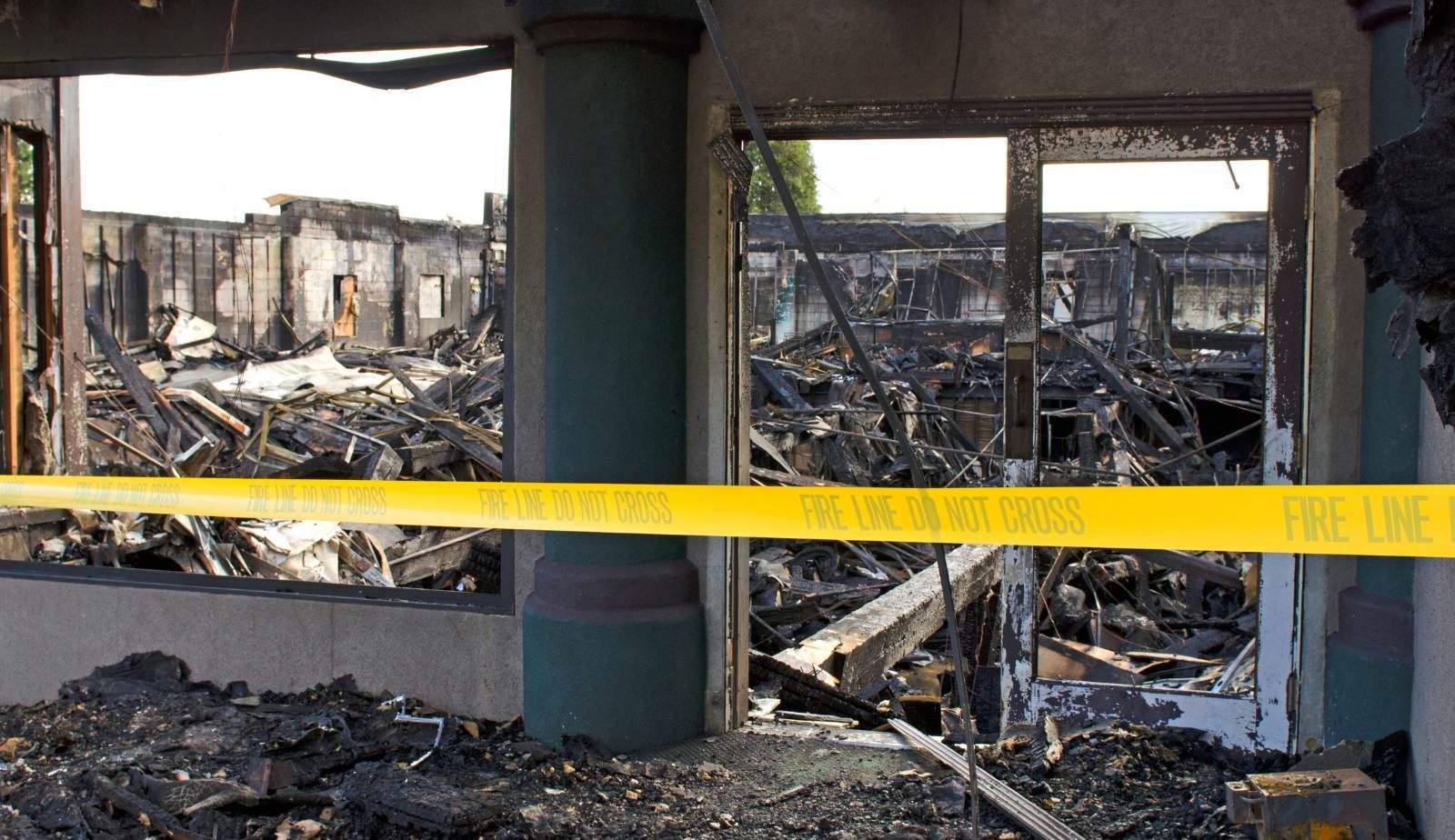
Fireplace and Heating Equipment Precautions
Proper care and attention to fireplaces and heating equipment are essential to prevent fire hazards during the colder months. Regular maintenance, using protective barriers, and following safe operation guidelines help reduce risks and protect homes.
Fireplace Maintenance and Safety
Fireplaces should be cleaned and inspected annually by a professional before use each season. Creosote buildup is a common cause of chimney fires, so removal is necessary to maintain safe operation.
Ashes must be disposed of in a metal container, kept outside and away from combustible materials. When burning wood, only dry, seasoned logs should be used to reduce excessive smoke and creosote.
Smoke detectors and carbon monoxide alarms should be installed and tested regularly in rooms with fireplaces to ensure early warning of danger.
Using Fire Screens and Barriers
A sturdy fire screen is critical to prevent sparks and embers from escaping the fireplace. It should cover the entire opening and be made of non-combustible materials such as metal mesh.
Fire screens protect nearby furniture, carpets, and rugs from catching fire by blocking flying embers. It is also important to keep flammable objects at least three feet away from the hearth.
For homes with children or pets, additional safety barriers or gates around the fireplace help avoid accidental burns and injuries.
Safe Operation of Space Heaters
Space heaters are convenient but pose significant fire risks if misused. They must be placed on flat, stable surfaces away from curtains, furniture, and other combustible items.
Only UL-listed space heaters should be used, and cords should be inspected regularly for damage. Heaters must never be plugged into extension cords or power strips to avoid overheating.
Space heaters should be turned off whenever the home is unattended or when occupants go to sleep. Keeping a minimum clearance of three feet around the heater is recommended to prevent accidental fires.
Holiday Cooking Safety Measures
Holiday cooking involves high temperatures, distractions, and multiple dishes being prepared simultaneously. Managing these factors carefully reduces the risk of kitchen fires and keeps the home safe.
Preventing Kitchen Fires
Cooking fires often begin when food or grease overheats and ignites. Staying attentive while cooking is critical. Never leave stovetops unattended, especially when frying, grilling, or boiling.
Clear counters of flammable items like towels, paper products, and packaging. Use timers to track cooking times and periodically check food to prevent burning.
Keep pot handles turned inward to avoid accidental spills. Always have a fire extinguisher rated for kitchen use within reach, and know how to operate it safely.
Safe Deep-Frying Procedures
Deep-frying poses unique dangers due to large amounts of hot oil. Use a deep-fryer or a heavy pot with high sides placed on a stable surface away from children and pets.
Do not overfill the pot with oil; leave enough room for the food to be added without causing overflow. Dry food thoroughly before frying to prevent dangerous oil splatters.
Maintain oil temperature within recommended limits, generally between 350°F and 375°F. Use a thermometer to monitor the heat and never leave hot oil unattended.
Keep a metal lid nearby to smother a grease fire if it occurs. Never use water to extinguish an oil fire, as this causes flare-ups.
Handling Grease and Oil
Built-up grease is highly flammable. After cooking, carefully clean stove surfaces, exhaust fans, and nearby counters to remove grease residue.
Discard used cooking oil properly; never pour it down the drain. Cool oil completely, then place it in a sealed container for disposal.
Avoid pouring grease down the garbage disposal to prevent clogs that could cause kitchen hazards. When cooking with oil, use moderate amounts and monitor for any smoking, which signals dangerous overheating.
By following these precise precautions, homeowners in Louisiana can significantly reduce fire risks during the holiday season.
Proactive Fire Protection and Planning
Homeowners in Louisiana can reduce holiday fire risks by focusing on early detection, preparedness, and essential safety improvements. Installing reliable detection systems, preparing clear exit strategies, and considering fire safety upgrades can significantly lower the chances of severe fire incidents.
Smoke Alarms and Fire Detectors
Smoke alarms are the first line of defense against home fires, and the National Fire Protection Association (NFPA) recommends having them installed in every bedroom, outside sleeping areas, and on every level of a home. These alarms should be tested monthly to ensure they function properly.
Combination smoke and carbon monoxide detectors offer added protection, detecting both smoke particles and toxic gas. Lithium battery-powered alarms last longer, reducing maintenance needs. Placement matters: avoid installing alarms near cooking appliances to reduce false alarms but ensure coverage where fires are most likely to start during the holidays, such as living rooms with Christmas trees or kitchens.
Developing and Practicing Escape Plans
A well-developed fire escape plan helps residents react quickly and safely during an emergency. Each household member should know two ways out of every room and have a designated outdoor meeting spot away from the house.
Practicing the plan regularly — at least twice a year — builds muscle memory. Emphasize closing doors behind you to slow fire spread and never hiding during a fire. Including young children and elders in drills ensures everyone understands their role and increases overall household safety.
Recommended Fire Safety Upgrades
Fire sprinklers provide crucial early suppression, especially during unattended holiday periods. Home fire sprinkler systems reduce fire damage and death risk, according to the NFPA. Installing them in new or renovated homes is a proactive measure for increased safety.
Upgrading electrical systems and using surge protectors minimizes holiday lighting risks. Avoid overloading outlets and replace damaged cords immediately. Fire-retardant holiday decorations reduce flame spread, offering additional protection.
These upgrades, combined with smoke alarms and practiced escape plans, form a comprehensive approach to fire safety in Louisiana homes during the holiday season.
Frequently Asked Questions
Proper placement and maintenance of holiday decorations, cooking safety, and careful use of heating sources are essential to reduce the risk of fire. Preparedness also involves knowing how to respond quickly if a fire occurs.
How can I safely decorate my home with lights during the holidays?
Use lights that are rated for indoor or outdoor use as appropriate. Inspect all light strings for damaged wires or broken bulbs before installation. Avoid placing decorations too close to heat sources such as heaters, fireplaces, or candles.
What precautions should be taken when using a fireplace during festive events?
Ensure the fireplace is clean and the chimney is clear before use. Use a proper screen to prevent sparks from escaping. Never leave a fire unattended, and keep flammable materials away from the fireplace area.
What are the most effective ways to prevent cooking-related fires during holiday gatherings?
Never leave cooking food unattended, especially when frying or using high heat. Keep flammable items like towels and paper away from the stovetop. Clean cooking surfaces regularly to avoid grease buildup.
How can I ensure that my Christmas tree does not become a fire hazard?
Choose a fresh tree and keep it well-watered to prevent dryness. Position the tree at least three feet away from any heat source. Turn off tree lights before leaving home or going to bed.
What steps can homeowners take to prepare for potential fire emergencies during the holidays?
Install working smoke alarms on every level of the home. Develop and practice a fire escape plan with all household members. Keep fire extinguishers accessible and know how to use them.
How should homeowners use and maintain heating equipment to prevent fires in winter holidays?
Have heating equipment inspected and cleaned annually by professionals. Keep portable heaters at least three feet away from anything combustible. Never leave heaters on when leaving a room or sleeping.