What to Do If Your Baton Rouge Crawl Space Floods. Drymax Expert Advice and Solutions
A flooded crawl space in Baton Rouge can quickly become a serious problem, threatening the structural integrity of a home and creating an environment for mold and mildew growth. Drymax emphasizes the importance of acting swiftly to remove standing water and dry the area thoroughly to prevent lasting damage.
Drymax advises homeowners to use professional water extraction services combined with powerful drying equipment, like dehumidifiers and fans, to ensure the crawl space is completely moisture-free. Regular maintenance and proper water management around the foundation can also reduce the risk of future flooding.
Understanding the risks and following expert guidance can help homeowners protect their property effectively. Drymax’s experience and rapid response in Louisiana make them a reliable resource for managing crawl space flooding with proven restoration methods.
Immediate Actions for a Flooded Baton Rouge Crawl Space
Prompt and careful steps are essential to mitigate damage when a crawl space floods. Prioritizing safety, accurately evaluating the situation, and starting water removal quickly can reduce structural and health risks.
Ensure Electrical and Personal Safety
The first priority is to turn off electrical power to the affected area. Water and electricity combined present a serious risk. If the breaker is accessible and safe to reach, cutting power prevents electrocution and electrical fires.
Residents should avoid entering the crawl space until they confirm the area is safe from electrical hazards. Protective gear such as rubber boots and gloves can help reduce risk when inspecting or working near flooded spaces. If unsure, it is advisable to contact a professional electrician to cut power safely.
Clear communication with family members about avoiding the flooded zone helps prevent accidents. This step protects both people and emergency responders.
Assess the Scope of Flooding
It is important to determine how much water has accumulated and what areas of the crawl space are affected. Inspect visually for standing water, damp spots, and saturation of insulation.
Identify any sources of the water intrusion, such as drainage issues or leaks. This aids in addressing the problem beyond simple water removal.
Documenting damage, including warped wood or compromised supports, assists with insurance claims. A thorough assessment also informs decisions on whether professional remediation services are necessary.
Taking photos or videos while safely outside the crawl space can provide useful evidence without exposing oneself to hazards.
Remove Standing Water
After confirming safety and assessing the problem, begin removing water promptly to limit further damage. Using a sump pump or a wet/dry shop vacuum designed for water extraction is effective.
Remove soaked insulation and wet debris quickly, as these materials promote mold growth and structural weakening. Disposing of damaged items according to local regulations helps maintain a clean environment.
If water removal is extensive, professional drying equipment such as dehumidifiers may be required. Doing so reduces moisture in the air and underlying materials, protecting structural integrity.
Drymax recommends prioritizing this step to prevent prolonged water damage and costly repairs.
Key Causes of Crawl Space Flooding in Baton Rouge
Crawl space flooding in Baton Rouge stems from a combination of natural and structural factors. Several common issues contribute to persistent water intrusion, including weather patterns, soil and drainage conditions, and home infrastructure problems.
Heavy Rainfall and Regional Climate Challenges
Baton Rouge experiences frequent heavy rainfall and high humidity, which significantly increase the risk of crawl space flooding. Intense storms can deliver large volumes of water in a short period, overwhelming soil absorption and drainage systems. The area's flat terrain can also slow water runoff, allowing it to accumulate near foundations.
Persistent moisture from seasonal rains creates an environment prone to water pooling under homes. This saturation makes it easier for water to seep into crawl spaces, especially if protective barriers or drainage systems aren’t adequate. Understanding the local climate’s impact is essential for managing moisture problems effectively.
Drainage and Grading Issues
Improper grading and faulty drainage systems are leading causes of water buildup beneath homes. If the soil around a house slopes toward the foundation instead of away, rainwater naturally collects near or under the structure. Downspouts and gutters that don’t direct water far enough away contribute to this problem.
Drainage systems may fail due to clogging, damage, or poor design. Inadequate drainage allows water to pool in low spots around the crawl space. Installing and maintaining proper grading, gutters, and drainage solutions is critical to preventing excess moisture and flood risk.
Plumbing Failures and Foundation Cracks
Plumbing leaks, broken pipes, and damaged water heaters can introduce significant water into a crawl space unexpectedly. Even small leaks can cause persistent dampness that escalates into flooding over time.
Foundation cracks, common in older homes or those settling unevenly, also allow water intrusion. These cracks act as direct pathways for groundwater or rainwater to enter the crawl space. Regular inspection and timely repair of plumbing and foundation integrity help minimize water infiltration risks.
Drymax’s Professional Advice for Water Removal and Drying
Effective removal of standing water and thorough drying are essential to prevent structural damage and mold growth in a flooded crawl space. Drymax emphasizes using the right tools and methods to ensure complete drying and to protect the home’s foundation and air quality.
Sump Pumps and Extraction Techniques
Drymax recommends starting with immediate removal of standing water using sump pumps or wet vacuums. For water deeper than a few inches, professional equipment is necessary to avoid incomplete extraction that can lead to lingering moisture.
After pumping out most of the water, technicians use specialized extraction tools to remove moisture trapped in insulation, soil, or under flooring. These methods reduce drying time and limit damage to wooden supports and flooring. Drymax advises against DIY removal for significant water accumulation due to safety risks and the precision required.
Strategic Dehumidification
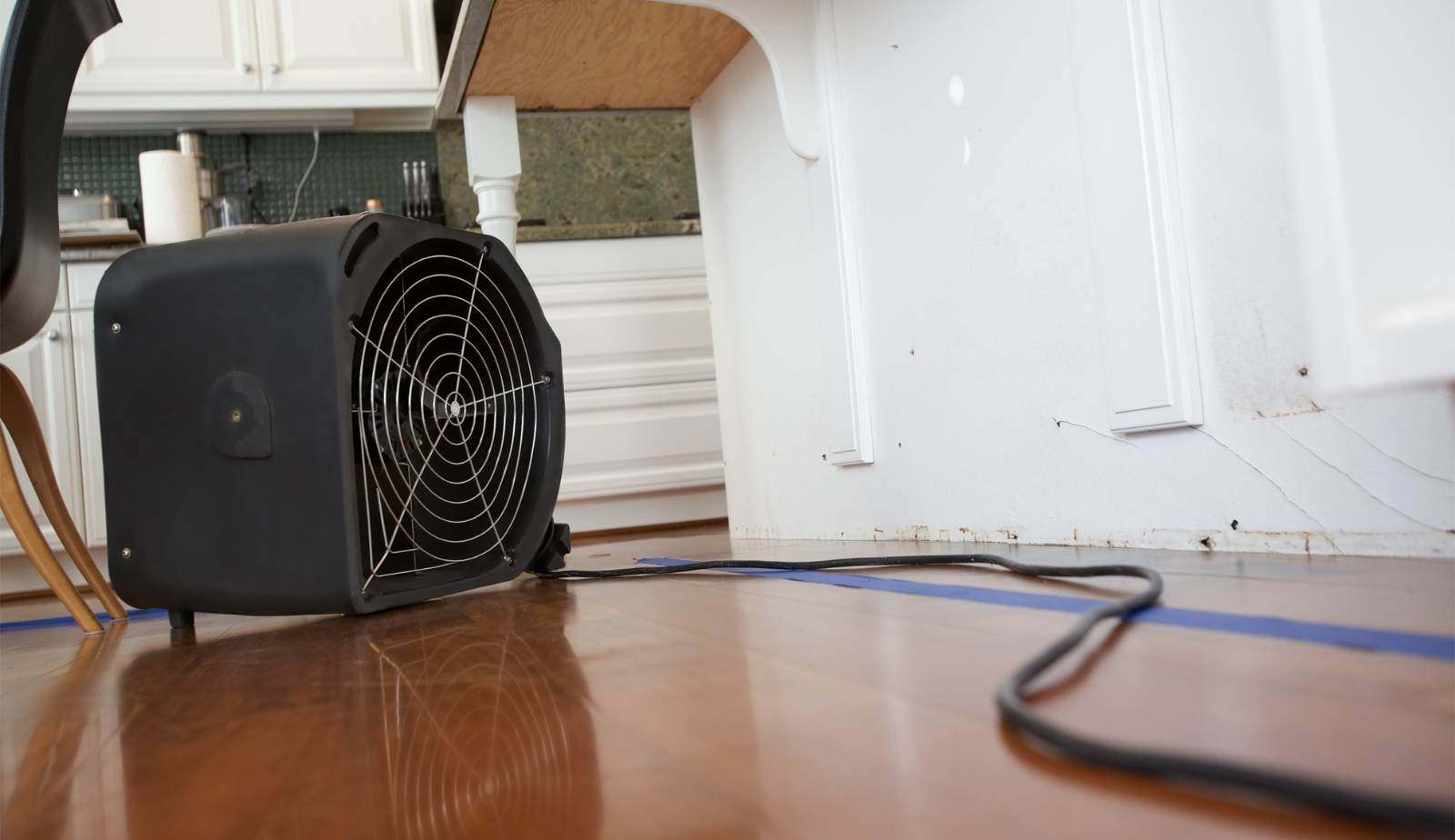
Once visible water is removed, dehumidification becomes critical. Drymax employs industrial-grade dehumidifiers designed to remove moisture from the air and materials in enclosed spaces like crawl spaces.
Maintaining a low humidity level below 50% helps prevent mold and mildew. Drymax professionals monitor humidity continuously and adjust dehumidification to match conditions. This strategy controls moisture content in wood and air, minimizing further structural deterioration.
Air Circulation and Ventilation
Drymax stresses the importance of controlled air circulation in the crawl space to aid drying. Ventilation helps carry moist air out while bringing in drier air. However, ventilation must be managed carefully to avoid introducing outdoor humidity during humid seasons.
Drymax often installs mechanical ventilation systems or uses fans to create airflow without compromising the crawl space environment. This balance supports drying and prevents stale, damp air pockets that encourage mold growth. Proper ventilation completes the drying process and safeguards the home’s foundation.
Addressing Mold Growth and Structural Damage After Flooding
Flooding in a Baton Rouge crawl space creates an environment for mold growth and can weaken the home's structural components. Immediate assessment and targeted actions reduce health risks and prevent costly repairs.
Identifying Mold and Health Risks
Mold often appears in damp, dark crawl spaces within 24-48 hours after flooding. It commonly grows on wood, insulation, and drywall. Homeowners should look for visible discoloration, musty odors, and dampness.
Mold exposure can cause respiratory problems, allergic reactions, and other health issues, especially for children, the elderly, or those with compromised immune systems. Professional mold testing is recommended to determine the extent of contamination.
If mold is present, removal involves sealing off the area, wearing protective gear, and using specialized cleaners. Porous materials like drywall or insulation usually need removal. Non-porous surfaces should be scrubbed and disinfected. Proper drying and dehumidification are critical to stop mold from returning.
Inspecting for Structural Compromise
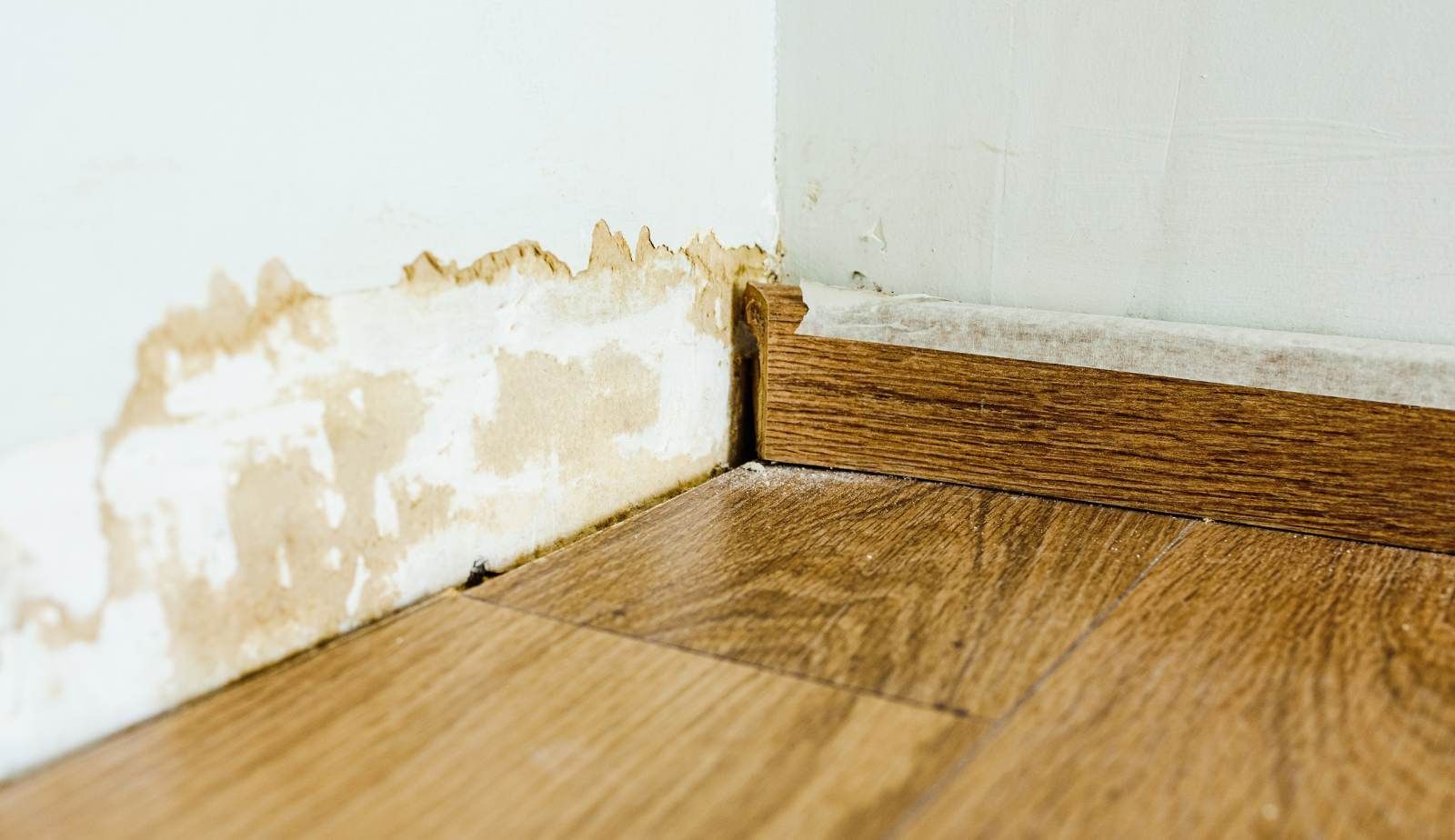
Flood waters can damage crawl space supports such as wooden beams, joists, and subflooring. Water saturates wood, leading to swelling, warping, and eventually rot. Soft spots, sagging floors, or a persistent damp smell indicate damage.
Inspection should include checking for foundation cracks that allow water intrusion. Cracks larger than 1/8 inch or shifting indicate structural issues requiring immediate professional evaluation.
Mold presence often signals moisture problems inside structural elements. Early detection can prevent progressive weakening. Any compromised wood or damaged supports should be documented and professionally assessed for repair or replacement.
Foundation Repairs and Wood Rot Solutions
Repairing foundation cracks involves sealing with appropriate waterproof materials or polyurethane injections to prevent further water seepage. Severely damaged foundations may require underpinning or stabilization methods.
Wood rot in crawl spaces needs careful removal of decayed sections. Treated wood or moisture-resistant materials are recommended for replacement to resist future water damage.
Installing vapor barriers and improving drainage around the crawl space helps maintain dryness. Continuous monitoring after repairs ensures that mold growth and structural damage do not recur.
Cleaning, Debris Removal, and Indoor Air Quality Restoration
Effective cleanup after a crawl space flood focuses on removing all debris and contaminants, thorough sanitization, and addressing factors that impact indoor air quality. Proper steps mitigate mold, pests, and odors while restoring a safer environment beneath the home.
Debris and Contaminant Removal
The first priority is clearing out debris, which often includes soaked insulation, wood fragments, dirt, and any materials compromised by water. Removing this clutter is essential because it can harbor mold spores, bacteria, and attract pests such as rodents and insects.
Professionals inspect the area to identify hidden moisture pockets or damaged structural elements. They use specialized vacuums and removal tools to ensure thorough cleanup. Failure to remove all debris can lead to ongoing moisture retention and worsen air quality throughout the home.
Sanitization and Odor Control
After debris removal, sanitizing surfaces prevents mold growth and reduces health risks from bacteria and allergens. Disinfectants designed for crawl spaces target contaminated wood, joists, and flooring. Treating the area also controls musty or foul odors common in flooded crawl spaces, using deodorizing agents that neutralize smells without masking them.
Odor control is critical because persistent smells often indicate hidden microbial activity, affecting the entire home's air quality. Proper ventilation and the use of sealants on exposed materials can further improve conditions.
Improving Indoor Air Quality
A flooded crawl space can severely impact indoor air quality by releasing spores, dust, and chemical pollutants into the home’s living areas. To restore air quality, professionals focus on drying the space thoroughly using dehumidifiers and fans.
Sealing vents and installing vapor barriers can prevent moisture intrusion. Regular inspections and maintenance help control mold and allergens long-term. Cleaning HVAC ducts connected to the crawl space also reduces pollutant circulation, ensuring healthier indoor air throughout the house.
Preventative Strategies and Waterproofing Solutions
Effective moisture management involves sealing the crawl space, improving water flow away from the home, and maintaining low humidity levels. Each approach targets specific sources of water intrusion and helps protect the structural integrity of the house.
Crawl Space Encapsulation Options
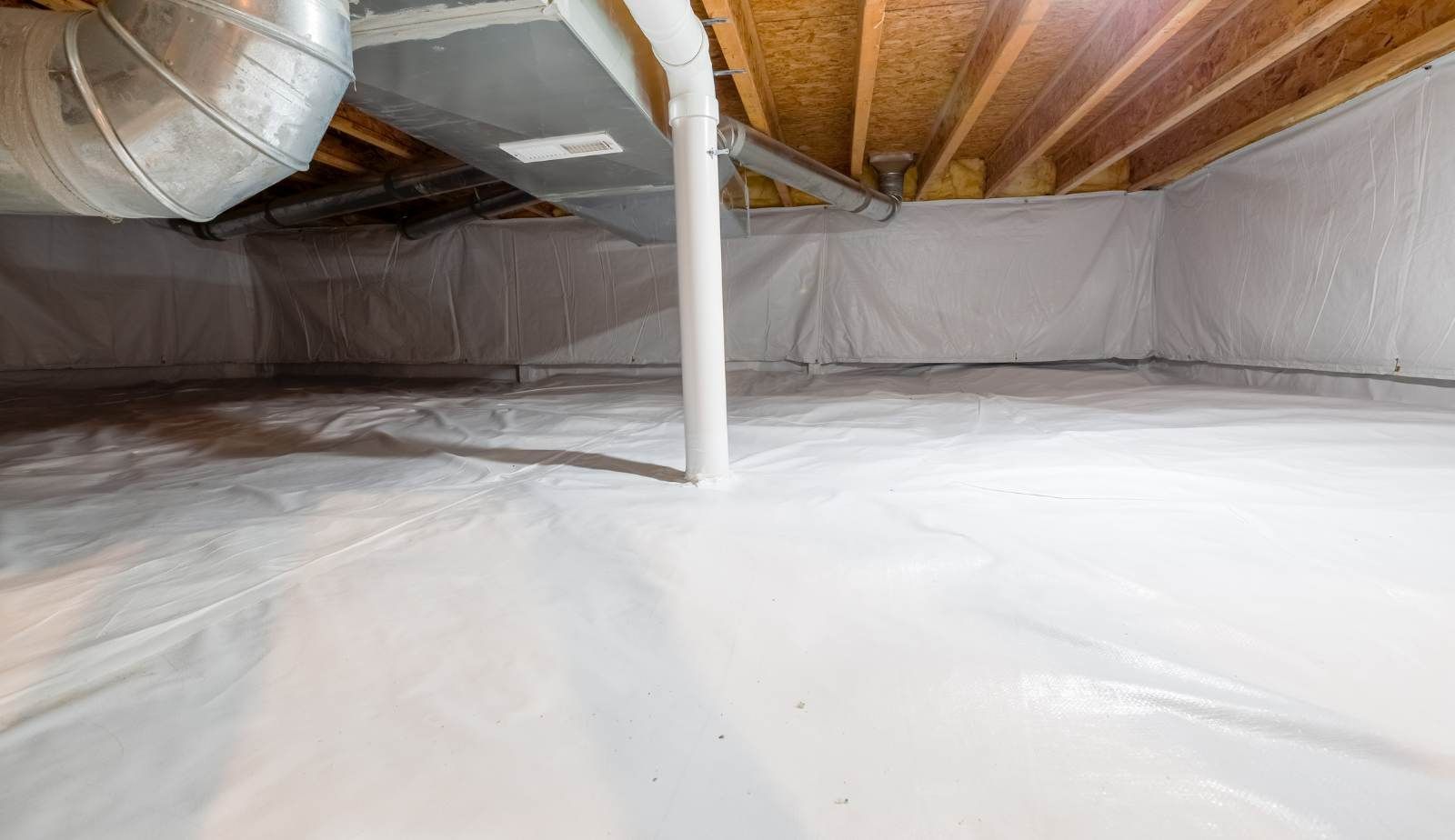
Encapsulation involves sealing the crawl space with durable vapor barriers on floors and walls. This limits soil moisture from entering and reduces humidity. Polyethylene sheets of at least 6 mil thickness are common materials, secured tightly with specialized tapes and mechanical fasteners.
Sealing vents and installing a dehumidifier can enhance this process. However, it is essential to address existing mold or pest problems prior to encapsulation, as sealing without remediation can trap these hazards. This method also improves energy efficiency by stabilizing indoor temperatures and reducing air exchange with cold or humid outside air.
Drainage System Improvements
Proper drainage around the foundation is crucial to reduce water accumulation under the home. Installing or repairing gutters and downspouts to direct rainwater away from the foundation can prevent pooling that leads to flooding. Extending downspouts at least 5 feet away from the house is recommended.
Surface grading should slope away from the foundation at a minimum of 6 inches over 10 feet. In areas prone to heavy rains, French drains or sump pumps may be needed to actively remove water from the crawl space. These solutions minimize standing water and reduce the risk of structural damage caused by prolonged exposure to moisture.
Long-Term Moisture Control
Managing long-term moisture involves combining ventilation, dehumidification, and regular maintenance. A high-capacity dehumidifier specifically rated for crawl spaces can maintain relative humidity below 50%, inhibiting mold and wood rot.
Routine inspections for cracks, leaks, and drainage clogs enable timely interventions. Using moisture barriers along with controlled ventilation balances airflow without introducing excess humidity. Homeowners should also consider insulating crawl space walls or floors to further prevent condensation and enhance energy efficiency throughout the year.
Routine Maintenance and Long-Term Protection
Protecting a crawl space starts with consistent care that addresses moisture control and equipment functionality. Regularly assessing conditions and maintaining key systems can reduce the risk of water damage and improve energy efficiency throughout the home.
Regular Inspections and Monitoring
Frequent inspections of the crawl space identify potential trouble spots like leaks, standing water, or damaged vapor barriers before they escalate. It is recommended to check the area at least quarterly, paying close attention after heavy rains or storms.
Look for signs of mold, wood rot, or pest activity, which can indicate ongoing moisture issues. Monitoring humidity levels with a hygrometer helps maintain them below 60 percent, limiting mold growth and preserving indoor air quality.
Keeping a detailed log of findings, including images if possible, aids professionals in diagnosing persistent problems. Early detection reduces costly repairs and ensures the space contributes positively to the home’s overall energy efficiency by preventing drafts and heat loss.
Upkeep of Dehumidifiers and Sump Pumps
Dehumidifiers and sump pumps are essential in managing excess moisture and preventing flooding in crawl spaces. Regular maintenance ensures these devices operate efficiently.
Check dehumidifiers monthly to clean or replace filters and verify condensate drains are clear. Ensuring the unit runs continuously during humid months helps maintain optimal moisture levels.
Sump pumps require testing every few months by pouring water into the pit to confirm automatic activation. Inspect pumps for unusual noises or leaks and clear debris that may obstruct the float switch or discharge pipe.
Failure to maintain these systems can lead to water damage that compromises structural integrity and increases energy costs due to damp insulation. Proper upkeep extends equipment lifespan and secures long-term dryness.
Frequently Asked Questions
There are effective methods to protect crawlspaces against future flooding and to address water intrusion immediately. Understanding health risks, mold prevention, and when to involve professionals is important to maintain a safe and dry crawlspace.
How can you protect your crawlspace from future flooding?
Improving drainage around the foundation helps prevent water buildup. Installing gutters, downspouts, and proper grading directs rainwater away from the crawlspace.
A vapor barrier or crawlspace encapsulation can reduce moisture entry. Regular inspection and maintenance of plumbing and drainage systems also minimize flooding risks.
What are the first steps to take when you discover your crawlspace is flooded?
Safety is the priority. Ensure no electrical hazards are present before entering.
Next, remove standing water quickly using pumps or wet vacuums. Then, start drying the area with fans or dehumidifiers to prevent further damage.
What are the health risks associated with a flooded crawlspace?
Flooded crawlspaces foster mold, mildew, and bacteria growth, which can cause respiratory problems and allergies. High humidity also attracts pests and may worsen asthma symptoms.
Prolonged exposure to damp environments increases health risks, especially for children, elderly, and sensitive individuals.
Is it necessary to hire a professional to remediate a flooded crawlspace?
For extensive flooding or structural damage, professionals provide safer and thorough remediation. They can assess foundation integrity and properly treat mold and water damage.
However, minor water removal and drying may be handled by experienced homeowners with appropriate tools.
Can mold growth be prevented after a crawlspace has been flooded?
Promptly drying the area and removing wet materials limits mold development. Using antimicrobial treatments on surfaces can further reduce mold risk.
Proper ventilation and moisture barriers maintain a dry environment to prevent recurring mold growth.
What measures are effective for drying out a crawlspace quickly?
Removing standing water is the first step. Then, increase airflow with fans and use dehumidifiers to lower moisture levels.
Sealing the crawlspace entrance and keeping vents closed during drying ensures better drying efficiency. Monitoring humidity helps track progress until normal levels are restored.