Why Mold Growth Explodes in Spring (Especially in Louisiana Homes)
Why Mold Growth Explodes in Spring (Especially in Louisiana Homes)

Ask anyone around Lafayette or Ville Platte what they love about spring, and they’ll tell you about the crawfish boils, the blooming azaleas, and the fact that we can finally turn off the heater. But if you ask a mold remediation tech like me, I see a different side of the season.
Spring in Southern Louisiana isn’t just the start of festival season; it’s the start of "mold explosion season."
I spend most of my days crawling under houses in Acadiana or poking my head into attics where the temperature is already hitting triple digits by noon. From a technician's perspective, spring creates a "perfect storm" for mold growth that you just don't see in other parts of the country. It’s a combination of our legendary humidity, the way we use our AC systems, and those sudden afternoon downpours that dump three inches of rain in twenty minutes.
If you’ve started noticing a musty smell in your hallway or a few dark spots on a ceiling tile, you aren’t imagining things. Here is why mold takes off like a rocket this time of year and what we see on the job every day.
The Science of the "Perfect Storm"
Mold is actually pretty simple. It doesn’t need much to survive: a food source (like your drywall or wood framing), a comfortable temperature, and moisture. In Louisiana, we provide all three on a silver platter starting around March.
1. The Humidity Factor
Mold generally needs a relative humidity level of 60% or higher to really start thriving. In places like New Iberia or Scott, our outdoor humidity is often sitting at 80% or 90%. When that warm, wet air finds its way into your home through open windows, poorly sealed doors, or crawlspace vents, it brings all that moisture with it.
When the air is that saturated, surfaces in your home stay damp. Your towels take longer to dry, your salt shaker clumps up, and the paper backing on your drywall starts absorbing moisture like a sponge. That’s all the invitation mold needs.
2. Rising Temperatures
Most common indoor molds love temperatures between 70°F and 90°F. During a Louisiana winter, things might stay cool enough to keep mold dormant. But as soon as those spring temperatures start climbing into the 70s and 80s, mold "wakes up." It starts digesting the organic material it's sitting on and spreading spores throughout your house.
The AC Transition: A Major Culprit
One of the biggest triggers for a mold spike is that first week when everyone in Acadiana flips their thermostat from "Heat" to "Cool."
During the winter, your HVAC system hasn't been pulling moisture out of the air the way it does in the summer. When you kick the AC on for the first time, a few things happen that can lead to a mess:
- Condensation on Vents: If your attic is hot (which it is) and you start blowing cold air through your ducts, the outside of those vents can start "sweating." I’ve walked into homes in Lafayette where the homeowners thought they had a roof leak, but it was actually just condensation dripping off the AC boots and soaking the ceiling drywall.
- Dust in the System: Over the winter, dust settles in your ducts. Dust is a primary food source for mold. When you combine that dust with the moisture of a starting AC system, you’re basically building a mold farm inside your ventilation. This is why we often recommend checking your mold services early in the season if you smell something "off" when the air kicks on.
- The "Short Cycling" Problem: In the spring, it might be 80 degrees outside but only 72 inside. Your AC might only run for five minutes at a time to reach the temperature you set. The problem is that an AC unit needs to run for longer periods to actually dehumidify the air. Short bursts of cooling leave your home feeling cold but "clammy": and that clamminess is high humidity that mold loves.

Spring Rain and the 48-Hour Clock
In Louisiana, we don't just get "showers." We get deluges. One heavy spring thunderstorm can put a massive amount of pressure on your home’s exterior.
When water pools against your foundation or your gutters overflow into your soffits, you have about 24 to 48 hours to get that area dry before mold starts to take hold. If you have a small leak in your roof that you didn't notice over the winter, these heavy spring rains will find it.
I’ve seen plenty of situations where a "little leak" behind a wall went unnoticed for a week. By the time the homeowner saw the stain on the paint, the entire wall cavity was covered in growth. This is a big reason why understanding how fast water damage starts in Louisiana is so important for local homeowners. If it’s wet and it’s warm, the clock is ticking.
Common "Spring Hotspots" We See
As a tech, there are specific places I check the second I walk into a house. These are the areas where spring mold growth is most likely to "explode" before you even realize there's a problem.
The Attic
Louisiana attics are brutal. In the spring, they become giant humidifiers. If your attic doesn't have proper ventilation (like functioning ridge vents or soffit vents), the moist air gets trapped. It hits the underside of your roof decking, condenses, and creates a perfect environment for mold. We often find growth on the rafters and the top of your insulation long before it ever shows up on your living room ceiling.
The Crawlspace
If your home is on piers, your crawlspace is probably the most vulnerable part of your property. In the spring, the ground is often saturated from rain. That moisture evaporates upward into your floor joists. Because crawlspaces are dark and have limited airflow, mold can spread across the entire underside of your home in a matter of weeks. You can read more about why bathrooms and attics are hotspots here, as many of the same rules apply to crawlspaces.
The Laundry Room
Between the heat from the dryer and the potential for small leaks from the washing machine, the laundry room is a classic mold factory. In the spring, when the rest of the house is already humid, the extra steam from a load of laundry can push the room’s humidity over the edge.

Why "Spring Cleaning" Should Include a Mold Audit
Most people think of spring cleaning as washing the windows and donating old clothes. But if you live in Southern Louisiana, your spring cleaning needs to include a visual inspection for moisture.
Here is what I tell my friends and family to look for:
- The "Sniff Test": Walk into your house after being outside for an hour. Does it smell "earthy" or like a damp basement? That’s often the first sign of hidden mold.
- Window Sweat: Check the tracks of your windows. If you see standing water or black specks on the frames, your indoor humidity is too high.
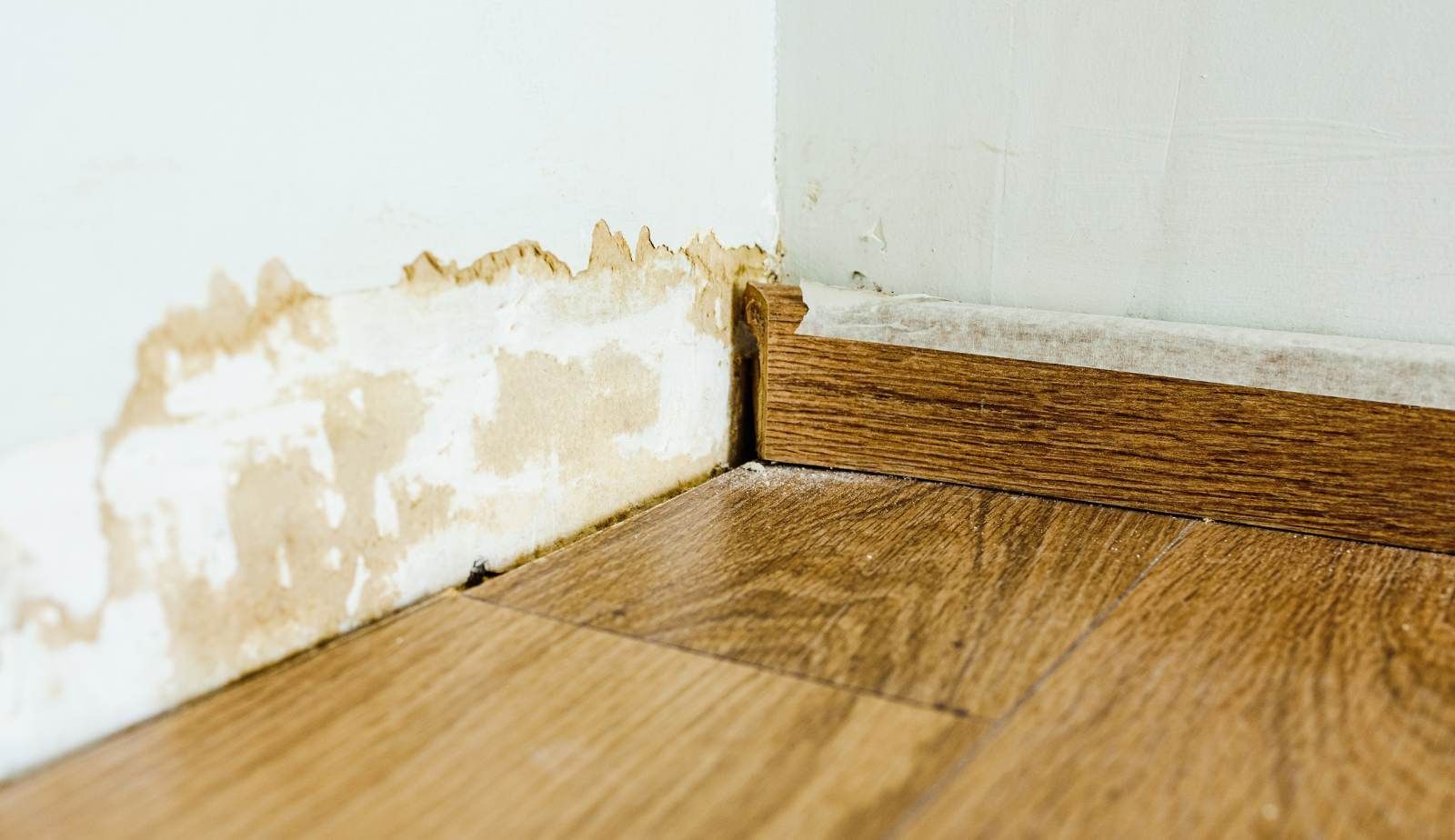
- Bulging Paint: If the paint on your baseboards or walls looks like it’s bubbling or losing its stick, there is moisture behind it. Mold is likely right there with it.
- The AC Closet: Open up your furnace or air handler closet. If you see standing water in the secondary drain pan or moisture on the walls, call someone immediately. You don't want to wait until you need full-scale water damage restoration.
The Tech Perspective: What Homeowners Often Miss
When I go into a job site, I’m looking for things that the average person doesn't notice. Homeowners usually call us when they see a big black patch of mold. My goal is to find it long before it gets to that point.
We use tools like infrared thermal imaging cameras and professional moisture meters. A wall might look perfectly dry to you, but my meter might show that it’s 90% saturated inside the drywall. In a climate like ours, that "dry" wall will be covered in mold within days if we don't intervene.
One thing I see a lot in places like Broussard and Youngsville is "secondary damage." This happens when a primary leak (like a window leak) causes the humidity in a room to get so high that mold starts growing on the opposite side of the room on the furniture or clothing in a closet. The mold isn't growing because of the leak directly: it's growing because the leak turned the room into a swamp.

How to Fight Back This Spring
You don't have to just sit there and let the Louisiana climate take over your home. There are a few practical things you can do right now to keep the mold explosion at bay:
- Invest in a Dehumidifier: If your AC can't keep your indoor humidity below 50%, run a standalone dehumidifier. It’s the single best investment you can make for a Louisiana home.
- Check Your Gutters: Make sure your gutters are clear of spring debris (like those oak tassels) and that the downspouts are carrying water at least 5-10 feet away from your foundation. Proper flooding response starts with keeping water out in the first place.
- Vent Everything: Make sure your bathroom fans and kitchen vents actually lead to the outside , not just into your attic. If you’re showering without a fan on in May, you’re basically watering your mold.
- Don't Ignore the Musty Smell: If you smell it, it's there. Mold doesn't go away on its own, especially when the weather is getting warmer and wetter.

Wrap Up
Look, I love a Louisiana spring as much as anyone. But as a remediation tech, I know that the same weather that makes the grass grow makes the mold grow.
If you suspect you have a problem, don't wait for it to become a disaster. Catching moisture issues in March or April can save you thousands of dollars in remediation costs come July.
If you're seeing signs of moisture or smelling that unmistakable musty odor in your home, feel free to reach out. We’ve seen it all across Southern Louisiana, and we know exactly how to handle it. You can contact us here to get a professional set of eyes on the situation.
Stay dry out there, Acadiana.