That “Damp” Smell in Louisiana Spring? It Could Be Mold Starting.
That “Damp” Smell in Louisiana Spring? It Could Be Mold Starting.

If you’ve lived in Southern Louisiana for more than a week, you know the drill. Spring rolls around, the azaleas start popping, and suddenly the air outside feels like you’re trying to breathe through a warm, wet washcloth. We call it "soup air" for a reason. But there’s another thing that comes with the season that a lot of folks just accept as part of life down here: that "damp" or "musty" smell inside the house.
Look, I’ve been crawling through attics from Lafayette to Alexandria for years as a remediation tech with Drymax. I’ve seen what happens when people ignore that smell. Most homeowners think it’s just the humidity "settling in" or because they haven’t turned the AC on full blast yet.
But I’m here to tell you, as a guy who spends his days looking at the stuff under a microscope, that smell isn't just "spring air." It’s a chemical signal. Specifically, it’s the smell of mold literally eating your house.
The "Lafayette Humidity" Factor: Living in a Petri Dish
In Southern Louisiana, we don't just have humidity; we have a lifestyle. When the dew point starts climbing in March and April, the physics of your home changes. Most building materials, like the drywall in your living room or the wooden studs behind your shower, are porous. They’re like giant sponges.
When the outdoor humidity stays above 60% for days on end (which is basically every day here), that moisture migrates into your home. If your indoor humidity isn't strictly controlled, your walls start "loading" with water. You might not see a puddle, but the moisture content in your sheetrock is rising. Mold only needs about 19% moisture content in a material to start throwing a party.
This is why mold growth explodes in spring. The temperature is perfect, not too hot yet, not too cold, and the buffet of damp paper (drywall) and wood is open for business.
What Is That Smell, Anyway? (The Science of MVOCs)
I’m a tech, not a chemist, but you need to know about MVOCs. That’s short for Microbial Volatile Organic Compounds.
Think of it this way: when mold is actively growing, it’s digesting organic matter. As it eats, it "off-gasses." It’s basically mold flatulence. That "earthy," "musty," or "wet basement" smell is actually a cocktail of chemicals the mold is releasing into your breathing air.
The important takeaway here is that mold only smells like that when it’s actively growing. If mold is dormant or "dried out," it usually doesn't smell much. So, if you walk into your mudroom or your master bath and catch a whiff of something damp, you aren't smelling "old" mold. You’re smelling mold that is currently, right now, expanding its territory.

The AC Transition: When the "Sweat" Starts
One of the biggest calls we get at Drymax during the spring involves the HVAC system. You’ve had the windows open during those few "nice" days, or maybe you’ve had the heat on. Then, that first 85-degree day hits, and you crank the AC.
This is where the trouble starts. Inside your walls and ceilings are metal or plastic ducts. When you push cold air through those ducts while the surrounding air (in the attic or wall cavity) is hot and humid, you get condensation. It’s the same thing that happens to a glass of sweet tea on a porch in July.
That condensation drips. It drips onto the insulation, it pools in the bottom of the ductwork, and it soaks the drywall around your vents. If you see dark spots forming on the ceiling around your AC registers, that’s not just "dust." That’s mold growing on the paper backing of your drywall because the AC vent is "sweating."
If you’re noticing this, you might need more than just a filter change. You might be looking at a water damage restoration situation where the moisture has compromised the structure of your ceiling.
Hidden Culprits: Where the "Ninja" Mold Hides
Most people think they’ll know if they have mold because they’ll see a giant black patch on the wall. I wish it were that easy. In my experience, the mold that causes that "damp" smell is usually a ninja, it’s hidden.
Behind the Baseboards
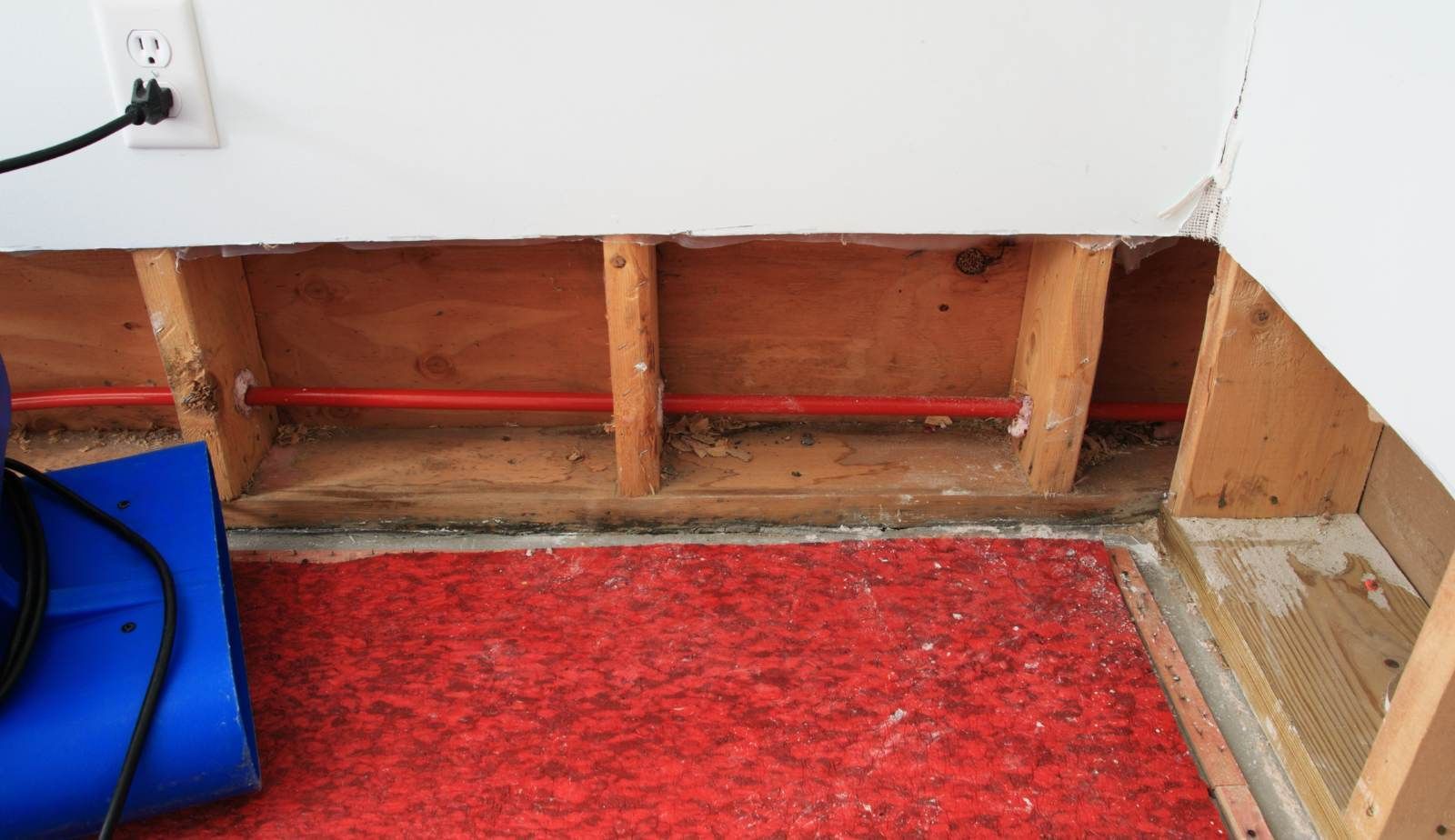
This is a classic Louisiana problem. If you’ve had a small, slow leak or just high humidity, moisture often settles at the floor level. Since your baseboards are usually made of MDF or wood and are pressed tight against the drywall, they trap moisture behind them. I’ve pulled back baseboards that looked perfectly fine on the front, only to find a forest of mold on the back.
Under Vinyl Flooring
Luxury Vinyl Plank (LVP) is great for Southern Louisiana because it’s "waterproof," right? Well, the plank is waterproof. The subfloor is not. If moisture gets trapped under that vinyl, whether from a slab leak or just high humidity, it has nowhere to go. It sits there and rots the subfloor, creating a massive smell but showing zero visible signs on the floor itself.
Inside Wall Cavities
This is the one that really gets people. If you have a humid attic and a cool interior, moisture can condense inside your wall cavities. The mold grows on the backside of the drywall where you can’t see it. You just know that your bedroom smells like a wet locker room no matter how much you clean.

Why "Damp" Isn't Just a Smell, It's a Sign
I’ve had customers tell me, "Oh, this house has just always smelled a little damp in the spring."
Let’s be real: your house shouldn't have a "season." If it smells damp, there is a moisture source that isn't being managed. In Southern Louisiana, we deal with bathrooms and attics being major hotspots , but that doesn't mean it’s acceptable.
Ignoring that smell is like ignoring the "Check Engine" light on your truck. It might run fine for a month, but eventually, you’re going to be stranded on the side of I-10. Mold doesn't just sit there; it structuralizes. It eats the cellulose in your home. Over time, that "smell" turns into rotted wood, failed drywall, and a much bigger bill for mold remediation.
Tech Tips: How to Use Your Nose (And What Not to Do)
As a tech, I use a lot of fancy tools: moisture meters, thermal cameras, hygrometers: but your nose is actually one of the best first-detection tools you have. Here’s how to use it right:
- The "Fresh Air" Reset: Go spend 30 minutes outside or at a coffee shop. When you walk back into your house, pay attention to the very first thing you smell. We get "nose-blind" to our own homes within minutes. That first hit of air when you walk through the door is the truth.
- Isolate the Rooms: Close the doors to your guest rooms or bathrooms for a few hours with the vents shut. Then walk in. If the smell is concentrated in one room, you’ve narrowed down the search area.
- Check the "Hot Zones": Put your nose near the baseboards, under the kitchen sink, and right up against the AC vents. If the smell gets stronger, you’re getting warm.
The "Febreze" Trap
This is the most important advice I can give you: Do not try to mask the smell.
I see this all the time. People buy plug-ins, spray Ozium, or light three candles. All you’re doing is layering "Summer Linen" scent over "Active Fungal Growth." Not only does it not fix the problem, but some of those air fresheners can actually provide nutrients for certain types of microbes.
If you smell mold, don't spray it. Find it.

When to Call in the Pros
I’m a DIY guy at heart, but mold in a Louisiana spring is a different beast. If you’ve checked the obvious stuff: like a leaky P-trap under the sink or a spilled gallon of water in the pantry: and the smell persists, it’s time to call someone who has the gear to see through walls.
At Drymax, we don't just come in and start "spraying stuff." We find the source. If we don't stop the moisture, the mold will be back in two weeks, and I’d rather do the job right the first time. We serve the entire Southern Louisiana area, and we know exactly how these houses are built: and where they fail.
If you’re tired of that "damp" spring smell and you want to know for sure what’s going on behind your walls, reach out to us. We’ll give it to you straight. No sales pitch, just tech-to-homeowner advice on how to keep your house dry and your air clean.

Summary Checklist for Louisiana Spring
- Check your humidity: Keep it under 50% indoors. If your AC can't keep up, look into a whole-home dehumidifier.
- Inspect your vents: If they're sweating, you have an insulation or airflow issue.
- Don't ignore the "must": It's not the weather; it's likely MVOCs from active growth.
- Look for "Ninja" mold: Check behind furniture pressed against outside walls and at the baseboard line.
Stay dry out there, Louisiana. That soup air belongs outside, not in your living room.