AC Drain Line Backups: A Common Summer Water Damage Problem
AC Drain Line Backups: A Common Summer Water Damage Problem

If you live anywhere around Broussard , Lafayette , Scott, Eunice, Ville Platte, or Alexandria , you already know what Louisiana summer feels like. You walk outside at 8 in the morning and it already feels like the day is sitting on your shoulders. By the afternoon, the heat index is up there, the air is heavy, and your AC has been working nonstop just to keep the house comfortable.
That nonstop cooling creates a lot of condensation. More than most people realize.
A typical home can produce anywhere from 5 to 20 gallons of condensate per day during peak summer, especially across Acadiana where the humidity stays high for long stretches. All that water has to go somewhere, and it usually leaves through a simple little PVC drain line. When that line clogs up, the water backs up. Then you start seeing stains on the ceiling, water around the indoor unit, musty smells, or an AC system that shuts off out of nowhere because the float switch did its job.
I’ve seen this in attics, hall closets, garages, and utility rooms all across our service areas. It’s one of the most common warm-weather calls we get, and it usually starts with something small that got ignored a little too long.
The good news is that a lot of drain line issues can be caught early. Some can even be handled with basic maintenance if you get to them in time. But once water has already soaked into drywall, flooring, or insulation, that’s when you stop messing with it and bring in a restoration crew that can dry it correctly.
Why Louisiana Summers Are Hell on Your AC Drain Line
Your air conditioner doesn’t just cool the air. It also pulls moisture out of it. In Southern Louisiana, that’s a full-time job.
When warm, humid air passes over the evaporator coil, moisture condenses and drips into the drain pan. From there, it’s supposed to flow out through the condensate drain line to the outside. Simple setup. The problem is, Louisiana weather puts that system under constant pressure for months at a time.
In places like Lafayette and Broussard, your AC may run most of the day from late spring through early fall. That means a steady flow of moisture moving through the drain line. Add dust, a little debris, and warm damp conditions inside that pipe, and you’ve got the perfect environment for buildup.
That’s why homeowners around Scott, Eunice, and Ville Platte see this issue so often in summer. It isn’t usually some major mechanical failure. Most of the time it’s a clogged drain line caused by gunk growing inside the pipe while the AC is doing exactly what it’s supposed to do.
And if you’ve ever been in a Louisiana attic at 1 PM in July wearing PPE and trying to trace an overflow, you know this isn’t a glamorous problem. It’s just a real one. Everybody in Lafayette knows somebody whose AC drain backed up and left a water stain on the ceiling.
The Culprit: "Louisiana Sludge"

Around here, I call it Louisiana sludge.
The technical term is biofilm. Sometimes algae gets mixed in too. Either way, it’s that slimy buildup that forms inside the condensate drain line over time. Because the line stays damp and warm, it becomes a good place for organic growth. In Southern Louisiana, with our humidity, that process happens faster than people expect.
That sludge starts off thin. Then it grabs dust and little bits of debris moving through the system. Over time, the inside of the PVC pipe narrows down. Water slows. More gunk sticks. Eventually the line clogs enough that the condensate can’t drain out the way it should.
Once that happens, one of a few things usually follows:
- Water backs up into the drain pan
- The drain pan overflows
- The float switch shuts the system off
- Water leaks into the ceiling, wall cavity, or floor below
A lot of homeowners assume bleach is the answer because they want to kill whatever is in the line. I get why people think that. But for routine maintenance, distilled white vinegar is the better option. Bleach can be hard on PVC and other system components over time, and it’s not the go-to recommendation for regular drain line care. Vinegar is a safer, more practical choice for breaking down that slime without creating another problem.
5 Signs Your Drain Line Is Clogged
If you catch a clog early, you may avoid a repair bill and a restoration bill. Here are the signs I tell people to watch for.
1. Water pooling around the indoor unit
This is usually the first obvious sign. If your air handler is in a closet, attic, or garage and you see water where it shouldn’t be, don’t ignore it. Even a small amount can turn into damaged flooring, soaked insulation, or stained drywall pretty fast.
2. A musty smell near the unit or vents
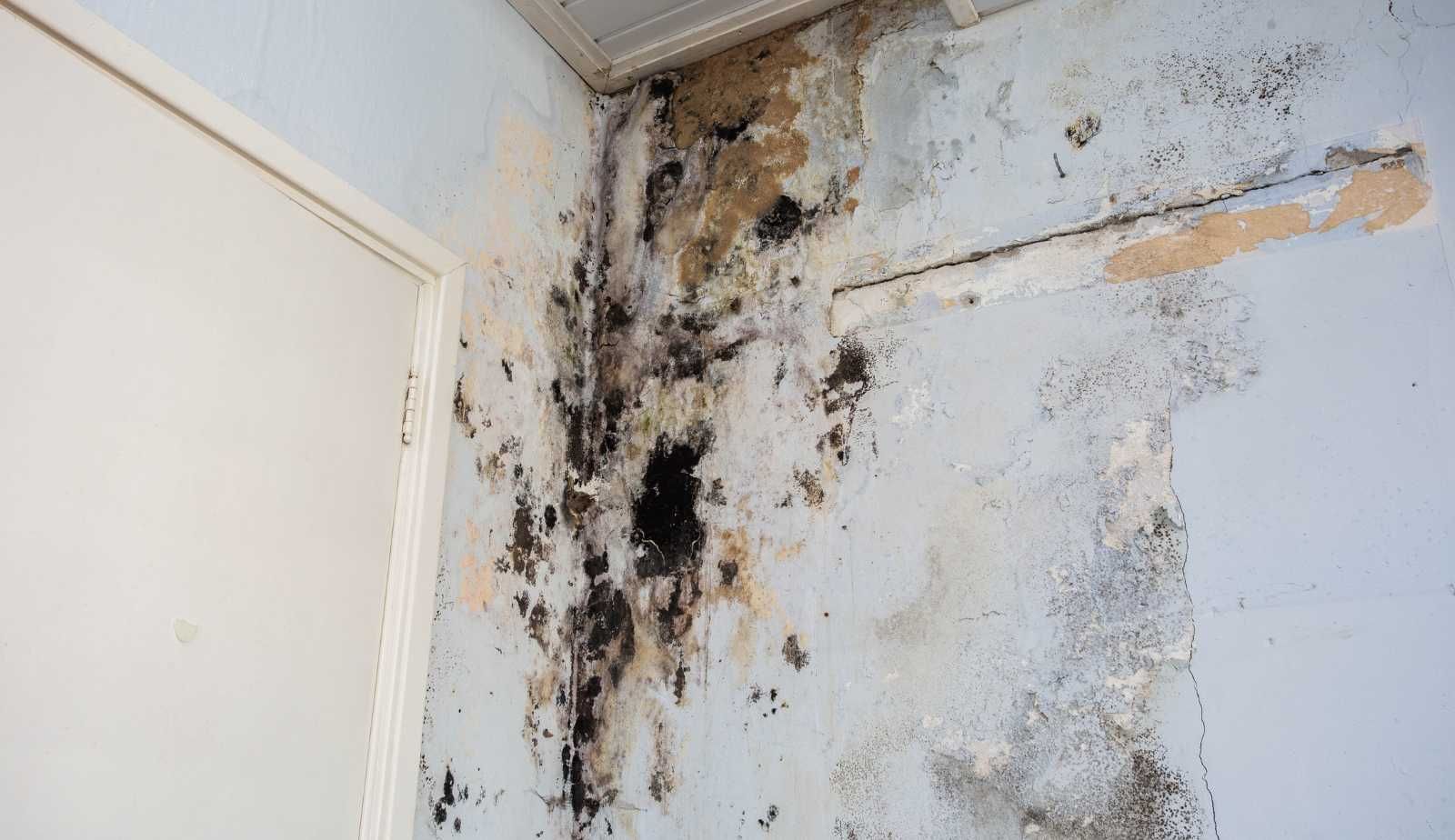
A clogged line can leave standing water in the pan or around the system. That dampness can create a stale, musty smell. It may not mean mold is already widespread, but it does mean moisture is hanging around longer than it should.
3. Water stains on the ceiling
This is a common one in homes with attic units. Someone in Alexandria or Eunice calls and says they noticed a brown ring on the ceiling under the attic access or near a hallway return. A lot of times, the drain line backed up first and the stain showed up later. By the time you see the ceiling stain, the leak may have been going on for a while.
4. The AC shuts off randomly
Many systems have a float switch designed to shut the unit down when water gets too high in the drain pan. That’s a safety feature, not a malfunction. If your AC seems to stop for no clear reason during hot weather, and the thermostat settings are fine, a clogged drain line is worth checking.
5. Standing water in the drain pan
If you open the access panel and see water sitting in the pan that doesn’t drain away, that’s a problem. Some moisture is normal in the process, but standing water that hangs around means the line may be restricted or fully clogged.
How to Flush Your AC Drain Line (The Right Way)

If the clog is minor and the damage hasn’t spread, this is one of those maintenance jobs many homeowners can handle themselves. Just take your time and do it safely.
Step 1: Turn off the AC
Shut the system off at the thermostat first. If you can, also cut power at the breaker or disconnect. You don’t want the unit running while you’re working on the drain line.
Step 2: Find the drain line access point
Most systems have a PVC condensate line with a T-shaped vent or cleanout near the indoor unit. That’s usually where you can pour vinegar into the line.
Then locate the outdoor drain exit. This is the point where water normally drips outside the house when the system is running.
Step 3: Use a wet/dry vacuum on the outdoor drain exit
Take a wet/dry vacuum and connect it to the outside end of the PVC drain line. You may need to hold it tight by hand or use a towel or duct tape to help seal the connection for a minute or two.
Let the vacuum run for a couple of minutes. A lot of the time, that suction will pull out the slime, algae, and debris causing the blockage. This is one of the easiest and most effective first steps.
Step 4: Flush the line with distilled white vinegar
Go back to the indoor access point and pour in distilled white vinegar. A cup is usually enough for routine maintenance. Let it sit for about 30 minutes so it can help break down remaining buildup.
Do not use bleach for this kind of regular maintenance. Vinegar is the better choice here.
Step 5: Check the drain pan
Look at the pan under the indoor unit. If it was holding water before, see whether it starts draining properly after the vacuum and vinegar treatment. If the water level drops and everything clears, that’s a good sign.
Step 6: Turn the system back on and monitor it
Restore power and restart the AC. Then keep an eye on the unit over the next several hours. Check for new pooling water, odd smells, or another shutdown.
If it clogs right back up, drains slowly, or the pan still holds water, it’s time to stop guessing and get an HVAC or restoration pro involved.
When to Call the Pros at Drymax
DIY is fine for basic maintenance and a simple clog. But once water has moved beyond the drain line and into your house materials, it becomes a different kind of job.
If the ceiling is stained, the drywall is wet, the flooring has absorbed water, or insulation got soaked, you’re no longer just dealing with an AC issue. Now you’re dealing with water damage. That’s where water damage restoration matters.
At Drymax, we get these calls all over Acadiana and Central Louisiana. A drain line backs up in an attic in Lafayette. A float switch fails to prevent overflow in Broussard. A homeowner in Alexandria notices the hallway ceiling sagging or staining. Someone in Scott hears dripping in the closet where the air handler sits. It happens.
When we come out, we’re not just looking at the visible wet spot. We use thermal imaging to find where moisture traveled behind ceilings, walls, and around the unit. We set up structural drying when needed so framing, drywall, and flooring can dry the right way. And we address moisture quickly to help reduce the chance of mold growth getting started after the leak.
Here’s when it makes sense to call us :
- You see ceiling stains under or near the air handler
- There is standing water in the pan that won’t drain
- The line keeps clogging again and again
- Water has already soaked drywall, flooring, insulation, or trim
- The AC shut off because of the float switch and you suspect overflow
- You cleaned the line, but there are still signs of leaking or moisture
We also handle larger property issues beyond AC drain overflows, including fire damage , but during a Louisiana summer, clogged AC drains are one of those steady, everyday problems that can sneak up on people.
The main thing is this: once water gets into building materials, don’t wait around hoping it will dry on its own.
Summer Maintenance Checklist
This is the simple version I’d give any homeowner in Lafayette, Broussard, Scott, Eunice, Ville Platte, or Alexandria who wants to stay ahead of drain line problems.
- Change your HVAC filter every 30 days during heavy cooling season
- Flush the condensate drain line with distilled white vinegar once a month from June through August
- Check that the float switch is clean and working
- Look for water around the indoor unit every couple of weeks
- Make sure the outdoor drain exit is not blocked
- Schedule professional spring AC maintenance before summer really kicks in
- Pay attention to musty smells, ceiling stains, or random system shutdowns
None of this is complicated, but it does need to be consistent. That’s what saves people from the bigger mess later.
In Southern Louisiana, your AC doesn’t get much of a break. Between the heat, the humidity, and the amount of condensate moving through that little drain line every day, clogs are just common. Not unusual. Not rare. Just common.
If you catch it early, you can often handle it with a vacuum, vinegar, and a few minutes of maintenance. If the water has already spread into the ceiling, walls, or flooring, that’s when you bring in professionals who can find the full extent of the moisture and dry it properly.
If you’ve got water damage from an AC backup anywhere in Acadiana or nearby, call us or visit our contact page. You can also reach Drymax directly at 337-205-5558 for help.