Can High Indoor Humidity Cause Mold Without a Leak?
Can High Indoor Humidity Cause Mold Without a Leak?

If I had a nickel for every time a homeowner in Lafayette or Baton Rouge told me, "There's no way it's mold, I don't have a leak," I’d probably be retired on a beach in Grand Isle by now.
It’s the most common thing we hear at Drymax. People think of mold like a flood, they expect to see a dripping pipe, a hole in the roof, or a puddle on the floor. But down here in Southern Louisiana, the air itself can be your worst enemy.
The short answer? Yes, high indoor humidity can absolutely cause mold without a single pipe ever leaking.
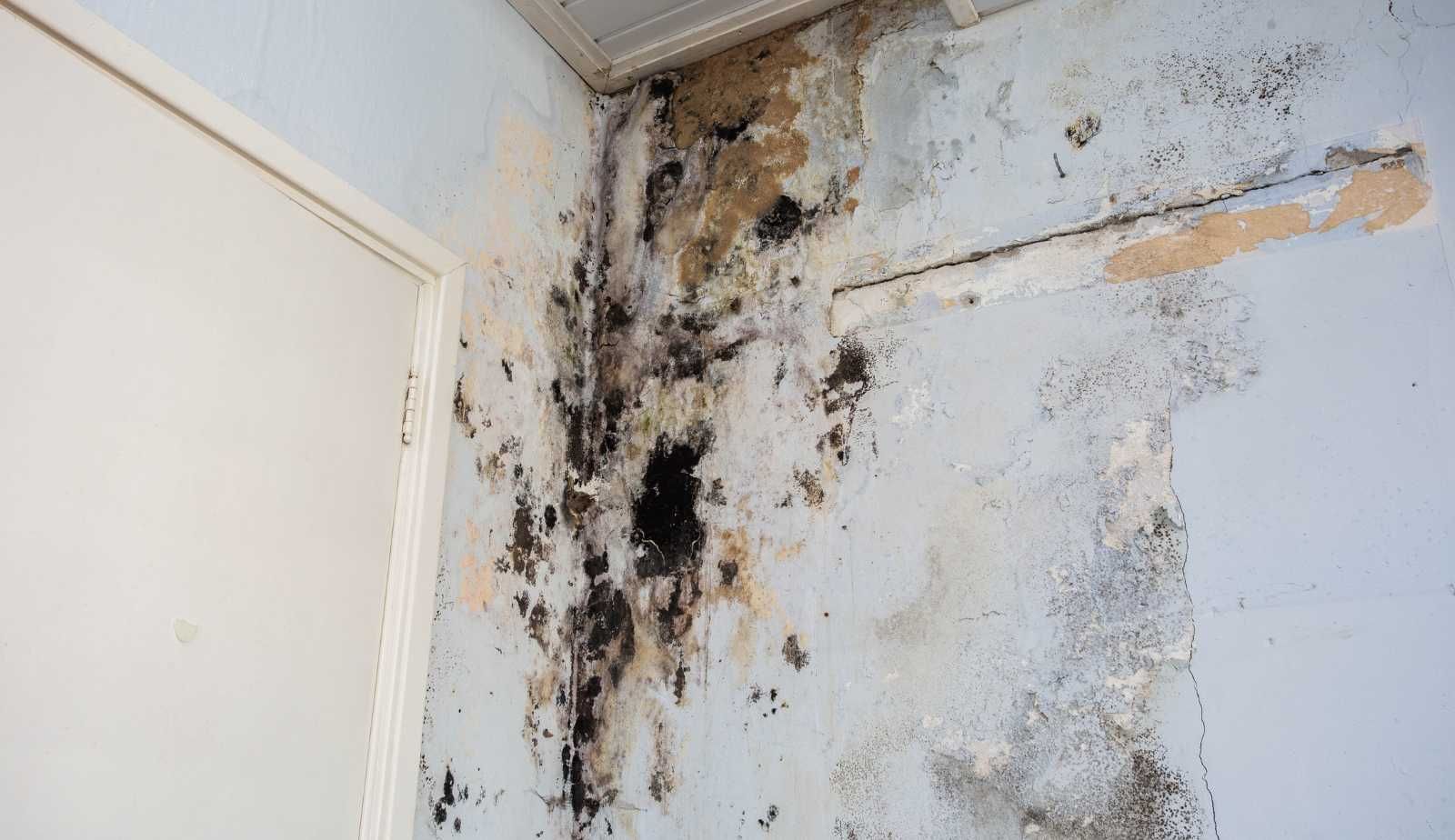
When the humidity inside your house stays high for long enough, the air basically turns into a slow-motion flood. You can’t see the water, but the mold can feel it. If you’ve started noticing a musty smell or some fuzzy spots on your walls but your pipes are bone dry, this is for you. Let’s break down why this happens and what you can do about it.
The Louisiana "Swamp" Factor
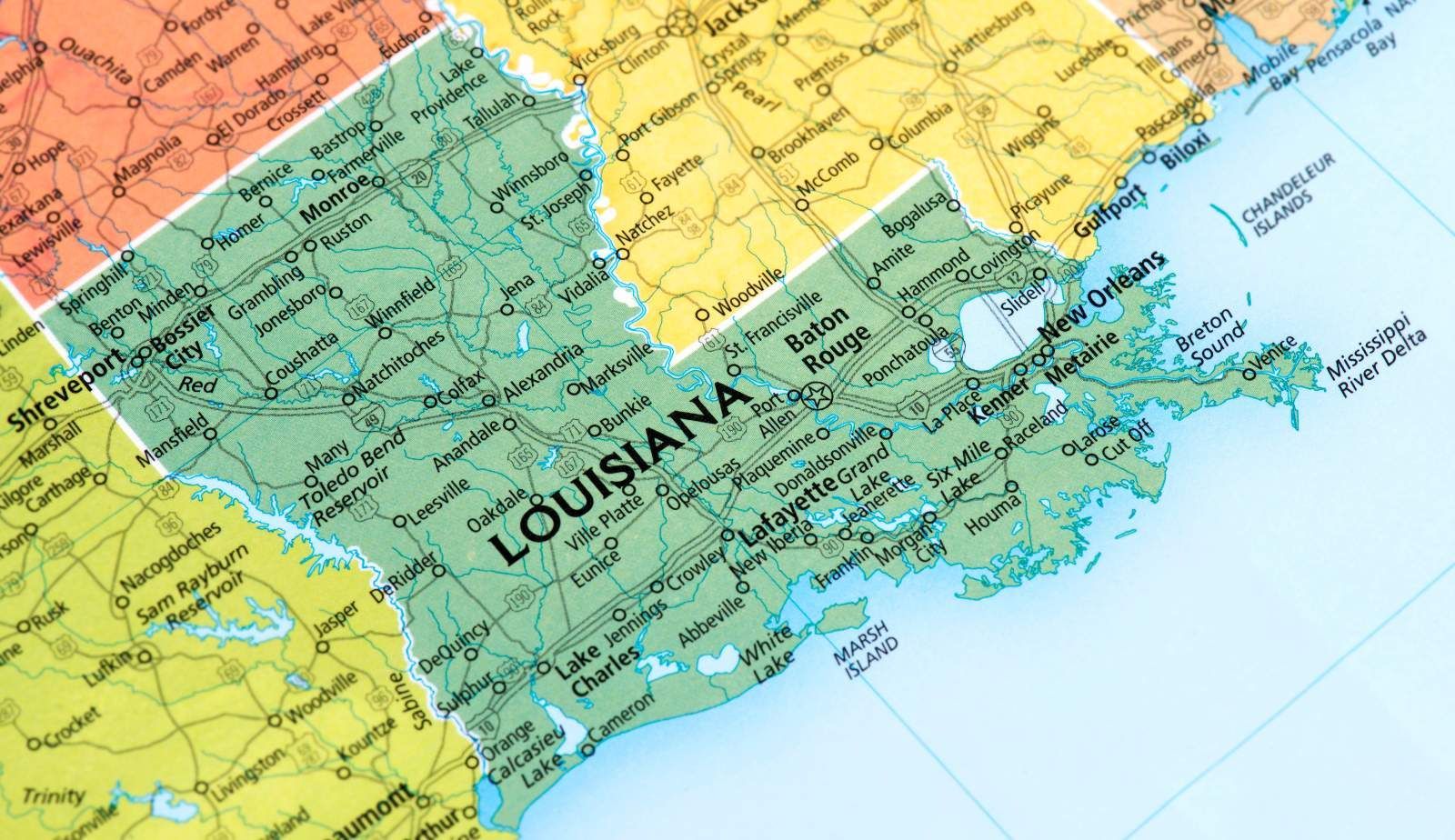
We live in one of the most humid places in the country. Between Lake Charles and New Orleans, we’re basically living in a giant sponge. During the summer, outdoor humidity levels regularly sit between 70% and 90%.
When you open your front door, that thick, heavy air rushes in. But even when your doors and windows are shut tight, that moisture is trying to find a way inside. It crawls through tiny gaps in your siding, through your attic, and up from the damp ground in your crawl space.
In most parts of the country, a house is a shelter from the rain. Down here, a house is a constant battle against the air. If you aren't actively fighting the moisture, the moisture is winning. This is exactly why mold grows faster during Louisiana summers.
What is Relative Humidity and Why Does it Matter?
You don't need to be a scientist to understand this, but you do need to know one number: 60%.
Relative Humidity (RH) is just a measure of how much water is in the air compared to how much it could hold at that temperature. When your indoor humidity is above 60%, mold spores (which are everywhere, by the way) have enough "fuel" to start growing. They don't need a puddle to drink from; they can pull the moisture right out of the air.
Ideally, you want your home to stay between 30% and 50% humidity. Once you cross that 60% line, you’re in the danger zone. If you’re at 70% or 80%, you aren't just at risk for mold, you probably already have it growing somewhere you can't see.
Humidity-Driven Condensation: The Invisible Leak
Even if the air in the middle of your living room feels okay, you might have "micro-climates" in your house where the humidity is much higher. This usually happens because of condensation.
Think about a cold glass of sweet tea on a porch in July. The glass isn't leaking, but it’s covered in water, right? That’s because the cold surface of the glass hits the "dew point" of the humid air around it.
The same thing happens in your house.
1. Sweaty AC Vents

If your AC is blasting cold air into a humid room, those metal vents get cold. The moisture in the air hits that cold metal and turns into liquid water. If you see "sweat" on your vents, that’s a direct water source for mold. This is a classic case of mold growing with no leak, just a temperature difference and too much humidity.
2. The "Window Fog" Problem

If you see fog or water droplets on the inside of your windows, your indoor humidity is way too high. That water eventually rolls down the glass and soaks into the wooden frame or the drywall underneath. Over time, that constant dampness leads to rot and mold.
3. Behind the Furniture

This is one that catches a lot of people off guard. If you have a heavy dresser or a couch pushed right up against an exterior wall, you’re trapping a pocket of air back there. That air doesn't circulate, it stays cool, and the humidity builds up. When we do a mold inspection in Louisiana , the first thing we do is pull furniture away from the walls. More often than not, there’s a fuzzy surprise waiting for us.
Why Your AC Might Be Failing You
A lot of folks think that if the AC is running and the house is cool, they’re safe. That’s not always true.
Air conditioners have two jobs: cooling the air and removing moisture. In Louisiana, the moisture removal part is actually more important for mold prevention.
The problem is "short-cycling." If you have an AC unit that is too big for your house (which happens a lot), it cools the house down really fast and then shuts off. It doesn't run long enough to actually pull the humidity out of the air. So, you end up with a house that’s 68 degrees but feels "clammy" because the humidity is still at 70%.
Cool, damp air is basically a laboratory for mold growth. If your house feels like a cave, you might need to look into a whole-home dehumidifier or have a pro check if your AC unit is sized correctly.
The Danger Under Your Feet: Crawl Spaces and Slabs

If your home is on a pier-and-beam foundation or has a crawl space, you’re sitting right on top of a massive moisture source. The ground in Southern Louisiana is almost always wet. That moisture evaporates and gets trapped in your crawl space.
From there, it’s a process called the "stack effect." Warm air rises, and it pulls that humid crawl space air up through your floorboards and into your living space. If your subfloor is constantly damp from crawl space humidity, it’s only a matter of time before you need professional mold removal in Louisiana.
Even homes on concrete slabs aren't totally safe. If the vapor barrier under your slab is damaged or missing, moisture can migrate through the concrete and get trapped under your hardwood floors or laminate, causing mold to grow from the bottom up.
How to Tell if High Humidity is the Problem
Since you can't always "see" humidity, you have to look for the signs. Here’s what I tell my customers to watch out for:
- The Smell: If you walk into a room and it smells like a wet basement or an old gym locker, that’s "MVOCs", microbial volatile organic compounds. It’s the gas mold releases when it's eating your drywall.
- The "Stick": If your skin feels sticky or clammy when you're sitting on the couch, your humidity is likely over 60%.
- Visible Growth: Look for small, pepper-like spots on your baseboards, the corners of your ceiling, or around your AC vents.
- Health Spikes: If your allergies get worse when you're at home, or you're dealing with unexplained coughing or itchy eyes, it might be the air quality.
Pro Tips for Managing Indoor Humidity
Before you end up needing water damage restoration in Louisiana for a humidity-soaked room, try these steps:
- Buy a Hygrometer: You can get these for about $10-$15 at a hardware store or online. Put one in your living room and one in your master bedroom. If they consistently read over 55%, you’ve got a problem.
- Use Your Vent Fans: Always run the exhaust fan when you’re showering or cooking. And don't just turn it off when you're done, let it run for 15-20 minutes after to clear out the lingering steam.
- Check Your Dryer Vent: Make sure your dryer isn't venting into your attic or crawl space. It needs to go all the way outside. A clogged or disconnected dryer vent is a common cause of massive humidity spikes.
- Keep Air Moving: Don't keep your closet doors shut all the time. Use ceiling fans to keep the air from stagnating in corners.
- Don't "Over-Cool": Setting your thermostat to 60 degrees might seem like a good idea, but it can actually make condensation worse on your walls and vents. Aim for a comfortable 72-75 and use a dehumidifier to handle the "feel" of the air.
When to Call the Pros
If you’ve already found mold, cleaning it with bleach isn't going to solve the problem if the humidity is still high. Bleach is mostly water anyway, you’re just feeding the mold that’s deep inside the drywall.
If you suspect your home has a humidity-driven mold problem, you need a professional to find the source. At Drymax, we don't just scrub the spots; we use thermal imaging and moisture meters to figure out why the moisture is there in the first place. Whether it's an HVAC issue, a crawl space problem, or just the "Louisiana swamp" catching up to you, we can help you get a plan together.
Don't wait until the musty smell becomes a major renovation project. Contact Drymax today for an inspection. We've seen it all, and we know exactly how to handle the unique challenges of our local climate.
You can also check out our blog for more tips on keeping your home safe and dry in the Pelican State.
FAQ: High Humidity and Mold in Louisiana
Q: Can mold grow in just a few days if it’s humid? A: Absolutely. Under the right conditions (warmth and 70%+ humidity), mold can start to colonize in as little as 24 to 48 hours.
Q: Will a small portable dehumidifier help? A: It might help in a small room or a closet, but it’s usually not enough for a whole house in Southern Louisiana. If you’re seeing condensation on your vents, you likely need a more heavy-duty solution.
Q: Why is there mold in my closet but nowhere else? A: Closets usually have very poor air circulation. If an exterior wall is behind the closet, it stays cooler than the rest of the house, causing the humid air inside to reach its dew point and settle on your clothes and walls.
Q: Is "white mold" less dangerous than "black mold"? A: Color doesn't tell you much about how toxic a mold is. Any mold growing inside your home is a sign of a moisture problem and can affect your air quality and health. It all needs to be addressed.
Q: Does AC kill mold? A: No. AC can help prevent mold by removing moisture, but once mold is growing, the cold air won't kill it. It might just go dormant until the next humid day.