Why Mold Grows Faster During Louisiana Summers
Why Mold Grows Faster During Louisiana Summers

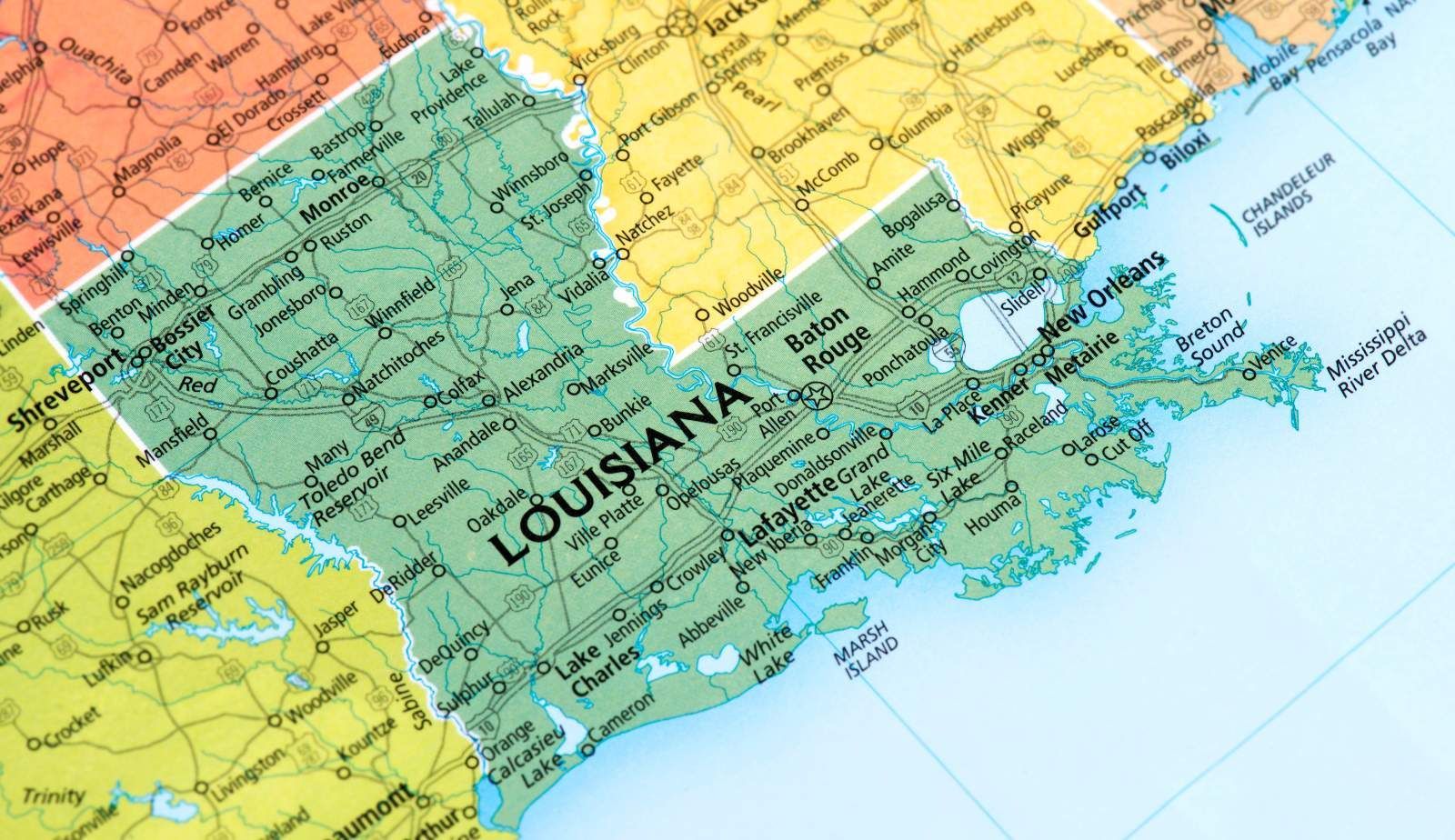
If you’ve lived in Southern Louisiana for more than five minutes, you know the drill. You walk outside in July, and it’s like walking into a hot, wet blanket. Between Lafayette and Lake Charles, we don’t just have "weather", we have a swampy atmosphere that sticks to everything.
While we’re all complaining about the electric bill and trying to stay cool, there’s something else in your house that’s absolutely loving the conditions: mold.
As a technician at Drymax Water, Fire, Mold Restoration , I spend a lot of my time crawling through attics and peering behind baseboards. I see it every year, as soon as the temperature hits that 90-degree mark and the humidity stays pinned at 80%, my phone starts ringing off the hook.
Louisiana mold growth isn't just common; it’s aggressive. If you’ve noticed a weird smell or a fuzzy patch on the wall that wasn't there last week, you aren't imagining things. It really does grow faster during the summer. Here’s why that happens and what’s actually going on inside your walls.
The "Triple Threat" of Southern Louisiana Summers
Mold is a lot like a bad houseguest. It needs three things to move in and stay: food, warmth, and water. During a Louisiana summer, your home basically provides a five-star resort experience for mold spores.
1. The Humidity Factor
In most parts of the country, 50% humidity is considered a "muggy" day. Down here, we call that a dry spell. Our average relative humidity usually sits between 70% and 80%.
For mold to grow, it needs the relative humidity inside your home to be above 60%. Once you cross that line, mold spores can pull moisture directly out of the air. They don't even need a pipe to leak or a roof to fail; they just need that heavy, wet air to sit still for a few hours. In places like Lake Charles or Lafayette, keeping your indoor humidity below 50% is a constant battle, and if your AC isn't up to the task, the mold wins.
2. The Heat Factor
Mold is a living organism, and like most living things, its metabolism speeds up when it’s warm. The sweet spot for mold growth is right between 70°F and 90°F.
Think about that. That is exactly the temperature we keep our homes, or at least the temperature our attics and crawlspaces reach when the sun is beating down. When you combine that perfect temperature with the high humidity, you’ve essentially turned your home into a giant petri dish.
3. The Food Source
This is the one people forget. Mold doesn't just grow on things; it eats them. Your home is built out of mold food. Drywall is just paper-covered gypsum, and mold loves the paper. Wood studs, carpet fibers, the dust sitting on your baseboards, it’s all a buffet.

How Fast Does It Actually Grow?
People often ask me, "How long has this been here?" when I’m out on a mold inspection in Louisiana. In the winter, it might take weeks for a small leak to turn into a visible problem. In the summer? You’re looking at a 24 to 48-hour window.
Once a mold spore finds a damp surface in a warm room, it can germinate and start spreading in less than a day. By day two or three, you might start seeing those classic black or green spots. By the end of a week, it can colonize an entire wall. That’s why we always tell people that if you have water damage in Louisiana , you can't wait until Monday to deal with it. You have to get the moisture out immediately.
The HVAC Struggle: When Your AC Becomes the Problem
We rely on our AC units to survive the summer, but in a weird twist, your HVAC system can actually be the biggest contributor to mold growth.
Think about a glass of iced tea sitting on a porch in August. Within seconds, the outside of the glass is covered in water. That’s condensation. The same thing happens inside your house.
Your AC blows cold air through metal vents and ducts. If that cold metal meets the warm, humid air in your attic or even just the humid air in your living room, you get condensation.

I see this all the time: mold growing in a perfect circle around an AC vent. It’s not necessarily that the duct is dirty (though it might be); it’s that the vent is so cold that the humid room air is turning into liquid water right on the drywall. Once that drywall gets wet, the mold spores that are always floating around in the air have everything they need to start a colony.
The "Oversized AC" Trap
There’s another issue we see a lot in Southern Louisiana. People think a bigger AC is always better, but if your unit is too big for your house, it "short cycles." It turns on, cools the air down really fast, and shuts off.
The problem is that an AC unit’s main job isn't just cooling, it’s dehumidifying. It takes time for the coils to pull the moisture out of the air. If the unit only runs for five minutes at a time, it lowers the temp but leaves the humidity high. You end up with a house that’s 68 degrees but feels "clammy." That clamminess is the danger zone for mold.
That "Swampy" Smell: What Are MVOCs?
You know that smell. You walk into a room, and it smells like a wet basement or an old gym bag. Some people describe it as a "swampy" or "musty" odor.
That smell isn't just "old house" smell. It’s actually a chemical byproduct called MVOCs, Microbial Volatile Organic Compounds.
When mold is actively growing and "eating" your drywall or wood, it releases these gases. If you smell that musty scent, it means the mold is currently active and growing. It’s basically the mold’s way of letting you know it’s there, even if you can’t see it yet.
Because your HVAC system circulates the air, it often picks up these MVOCs from a hidden colony, maybe behind a cabinet or under the floor, and spreads them through the whole house. If the smell gets stronger when the AC kicks on, there's a good chance you have growth inside the unit or the ductwork.
Why "Wiping It Down" Usually Fails
I can't tell you how many times I've walked into a house and the owner says, "Yeah, I saw some mold on the baseboard, so I wiped it with some bleach, but it keep coming back."
Here’s the deal: mold isn't like a stain on your shirt. It has a root system (called hyphae) that grows into porous materials like drywall and wood. When you wipe the surface, you’re just cutting the grass. The roots are still there, deep inside the wall, waiting for the next humid day to push back through.
Plus, if you're using bleach, you’re actually making it worse. Bleach is mostly water. When you put it on a porous surface like drywall, the chlorine stays on top, but the water soaks in. You’re essentially feeding the roots of the mold while just cleaning the surface.
This is why professional mold removal in Southern Louisiana involves more than just a spray bottle. We have to address the moisture source, use HEPA filtration to catch the spores we disturb, and sometimes physically remove the material that the mold has rooted into.

The Hidden Hotspots: Crawlspaces and Attics
In Southern Louisiana, many of our homes are built on piers with a crawlspace underneath. In the summer, these areas are absolute disaster zones for mold.
The ground stays damp, the air is stagnant, and the humidity is usually 90% or higher. If you don't have a good vapor barrier or if your crawlspace isn't properly ventilated (or encapsulated), the wooden floor joists under your feet are likely covered in "white fuzz" or dark spotting.
The same goes for attics. If your roof is leaking just a tiny bit, or if your soffit vents are blocked, that attic becomes an oven that traps moisture. Because nobody goes into their attic in July (unless they absolutely have to), the mold can grow for months before anyone notices.

How to Protect Your Home This Summer
I’m not here to scare you: I just want you to know what you’re up against. You can't change the Louisiana weather, but you can change how your home handles it. Here are a few tips from a guy who sees the worst-case scenarios:
- Watch Your Thermostat: Try not to set your AC below 70°F if it’s extremely humid outside. The colder your house is, the more likely you are to have condensation issues on your vents and windows.
- Run the Bathroom Fan: When you shower, you’re adding a massive amount of steam to the air. Run that fan for at least 15 minutes after you’re done.
- Check Your Vents: Take a look at your AC supply vents once a week. If you see little black dots or water droplets, don't ignore them.
- Invest in a Hygrometer: You can get a little device that tells you the humidity level for about $10 at a hardware store. If your indoor humidity is consistently over 60%, you need to look into a dehumidifier.
- Don't Ignore the Smell: If you smell something "swampy," there is a reason for it. Mold doesn't go away on its own. It only stops growing when it runs out of water.
Wrapping It Up
At the end of the day, mold is just a part of life in Louisiana, but it doesn't have to take over your home. The summer heat and humidity are going to push your house to its limits, and sometimes things just break down.
If you suspect you've got a problem, or if you're just tired of that musty smell, give us a shout. We’ve been through enough of these summers to know exactly where the mold likes to hide. Whether you need a full remediation or just a professional mold inspection , we’re here to help you get your home back to normal.
Stay cool, stay dry, and if you need us, contact Drymax today.