Mold Around AC Vents in Louisiana: What It Usually Means
Mold Around AC Vents in Louisiana: What It Usually Means

If you live anywhere in Southern Louisiana: whether you’re in Lafayette, Baton Rouge, or out toward Lake Charles: you’ve probably dealt with a “sweating” AC vent at some point. You walk into the living room, look up, and notice those fuzzy black or green spots creeping around the edges of the metal grate on your ceiling.
Most people’s first instinct is to grab a ladder and some bleach, wipe it off, and forget about it. But as someone who spends every day crawling through attics and inspecting crawl spaces across Acadiana, I can tell you that wiping it away is just a temporary fix. That mold is telling you a story about what’s happening inside your walls and your HVAC system.
In a climate as humid as ours, mold around AC vents is a common sight, but it’s never "normal." Here is a look at what that growth usually means and why it keeps coming back.
It’s All About the Condensation
The most common reason we see mold around vents in Louisiana is condensation. It’s the same thing that happens to a cold glass of sweet tea on a porch in July: it "sweats."
In your home, your AC is blowing out air that’s usually between 55 and 60 degrees. If the air inside your house is warm and humid, that cold air hits the metal vent, chills it down, and the moisture in the air turns into liquid water. Once that metal stays damp for a few days, and it mixes with the dust that naturally collects on the vent, you’ve got a perfect petri dish.

If you’re seeing this, it usually means your indoor humidity is too high. We see this a lot in the spring when the rain picks up. You can read more about how that damp smell in Louisiana spring is often the first sign of a larger mold issue starting.
Why High Humidity is Killing Your Vents
Louisiana is basically a swamp with a few cities built in it. During the summer, the outdoor humidity is regularly through the roof. If your home isn't properly sealed, or if your AC isn't doing its job of pulling moisture out of the air, your indoor humidity will spike.
When indoor humidity stays above 60%, mold can grow without a single pipe leaking. I’ve been in homes in Broussard and Ville Platte where the homeowners were shocked to find mold on their furniture and vents despite having no plumbing issues. The truth is, high indoor humidity can cause mold without a leak, especially around the coldest parts of your house: the AC vents.
If your AC is running all day but the house still feels "sticky," your humidity is likely the culprit. This is why mold grows faster during Louisiana summers; the heat and moisture create an environment that’s essentially an incubator for spores.
The "Boot" Problem: Leaks You Can’t See
When we go out for a mold inspection, one of the first things we check isn't the vent itself, but what’s behind it in the attic. The "boot" is the metal box that connects your flexible ductwork to the ceiling vent.
In many Louisiana homes, especially older ones in places like Alexandria or the mid-century builds in Baton Rouge, these boots aren't properly insulated or sealed. If there’s a gap between the boot and the drywall of your ceiling, hot, humid attic air will get sucked down into that gap. When that 130-degree attic air hits the 55-degree metal boot, it creates a massive amount of condensation.

That water then soaks into the drywall around the vent. This is why you often see the mold spreading in a ring around the vent on the ceiling, not just on the metal itself. Once that drywall gets wet, it stays wet because the AC keeps it cold. It’s a cycle that won't stop until you seal those gaps and insulate the boots. We often find that bathrooms and attics become mold hotspots specifically because of these temperature differences and poor ventilation.
Is Your AC Too Big for Your House?
It sounds counterintuitive, but an AC unit that is "too powerful" can actually cause mold. In the HVAC world, we call this "short cycling."
An oversized unit will blast your home with cold air, reach the temperature you set on the thermostat in ten minutes, and then shut off. The problem is that the cooling part is easy: it’s the dehumidifying part that takes time. An AC needs to run for longer cycles to effectively pull the moisture out of the air.
If your unit shuts off too quickly, the air stays humid, but the vents stay cold. That lingering moisture then settles on the vents. This is a common issue we see in newer builds in Lafayette and Broussard, where builders sometimes over-spec the HVAC units thinking "more is better."
Dirty Filters and Dust: The Food Source
Mold is a living organism; it needs water and food. The water comes from the condensation we talked about. The food comes from dust.
Dust is mostly made of organic material: skin cells, pet dander, fabric fibers. When your air filter is dirty or if you have leaks in your return ducts, dust bypasses the filter and starts coating the inside of your ductwork and the back of your vents.

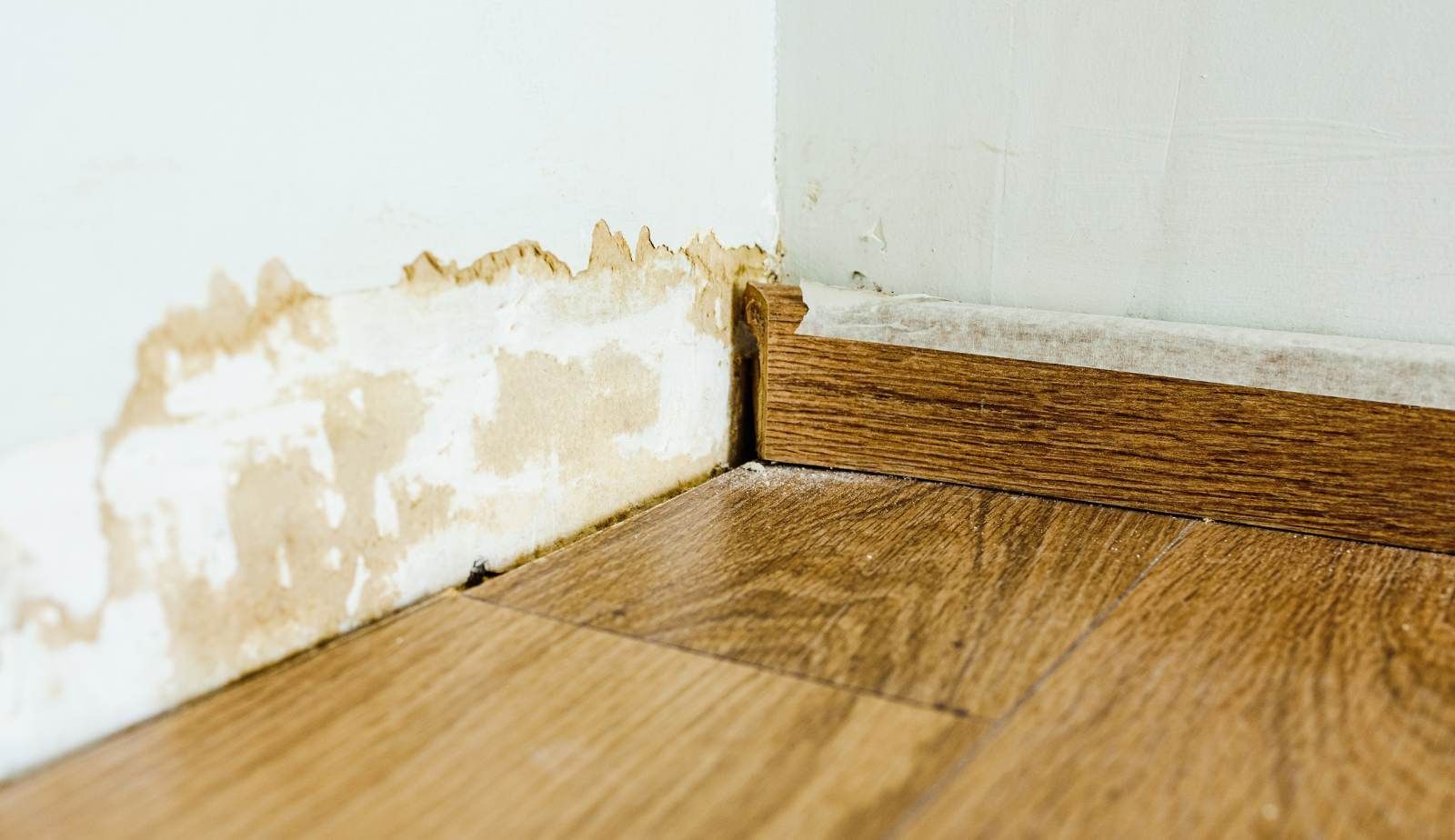
When you combine that organic dust with a little bit of condensation, the mold has everything it needs to thrive. This is why we always tell people that keeping a clean filter isn't just about the machine's health; it's about the air you're breathing. If you've recently had any water damage, even a small one, that extra moisture can kickstart this process even faster. In our climate, water damage starts causing problems incredibly fast, often within 24 to 48 hours.
What Should You Do if You See It?
If you see mold on your vents, don't panic, but don't ignore it either. Here is the reality of the situation:
- Don't Just Spray Bleach: Bleach is mostly water. On non-porous surfaces like the metal grate, it might kill what’s on the surface, but it won't do anything for the spores that have moved into the drywall or the insulation behind the vent.
- Check the Drywall: Feel the ceiling around the vent. Is it soft? Is it discolored? We often use moisture meters to see if the ceiling is actually holding water. If the drywall is saturated, it needs to be replaced, not just cleaned.
- Check Your Humidity: Buy a cheap hygrometer from a hardware store. If your indoor humidity is consistently over 50-55%, you need to figure out why. It might be time for a dehumidifier or a call to an HVAC tech to check your refrigerant levels and cycle times.
- Look in the Attic: If you're comfortable doing so, pop your head into the attic and look at the ducts near the problem vent. Look for signs of "sweating" on the outside of the ducts or damp insulation.

When to Call a Pro
If the mold is restricted to just the metal grate, you might be able to wash it with a mild detergent and keep an eye on it. But if the mold is on the ceiling, if it’s inside the ductwork, or if you’re noticing a persistent musty smell whenever the AC kicks on, you need a professional mold inspection.
At Drymax, we aren't just here to "clean" things. We look for the source. If we just wipe your vents and leave, we haven't done our job because that mold will be back in two weeks. We serve the entire Southern Louisiana area, from Ville Platte down to the coast. We know how the local architecture and the local weather work together to create these problems.
We can help identify if the issue is a simple insulation fix, a duct leak, or a larger humidity problem that requires professional remediation. Dealing with mold can be a headache, but catching it early: when it's just a few spots on a vent: is much better than waiting until it spreads through your entire HVAC system.
If you’re seeing these signs in your home, feel free to contact us. We’ll come out, take a look, and give you a straight answer on what’s going on and how to fix it for good.