Common Places Water Hides After a Louisiana Storm
Common Places Water Hides After a Louisiana Storm

Ask anyone who has lived through a few seasons in Acadiana, and they’ll tell you the same thing: the storm itself is only half the battle. Once the wind dies down and the sun starts peeking through those heavy clouds over Lafayette or Broussard, most folks take a look around, see the roof is still on, the yard isn’t under three feet of water, and think they dodged a bullet.
But as a technician who spends every day crawling through attics and testing moisture levels in homes from Ville Platte to Alexandria, I can tell you that "dry" is a relative term in Southern Louisiana.
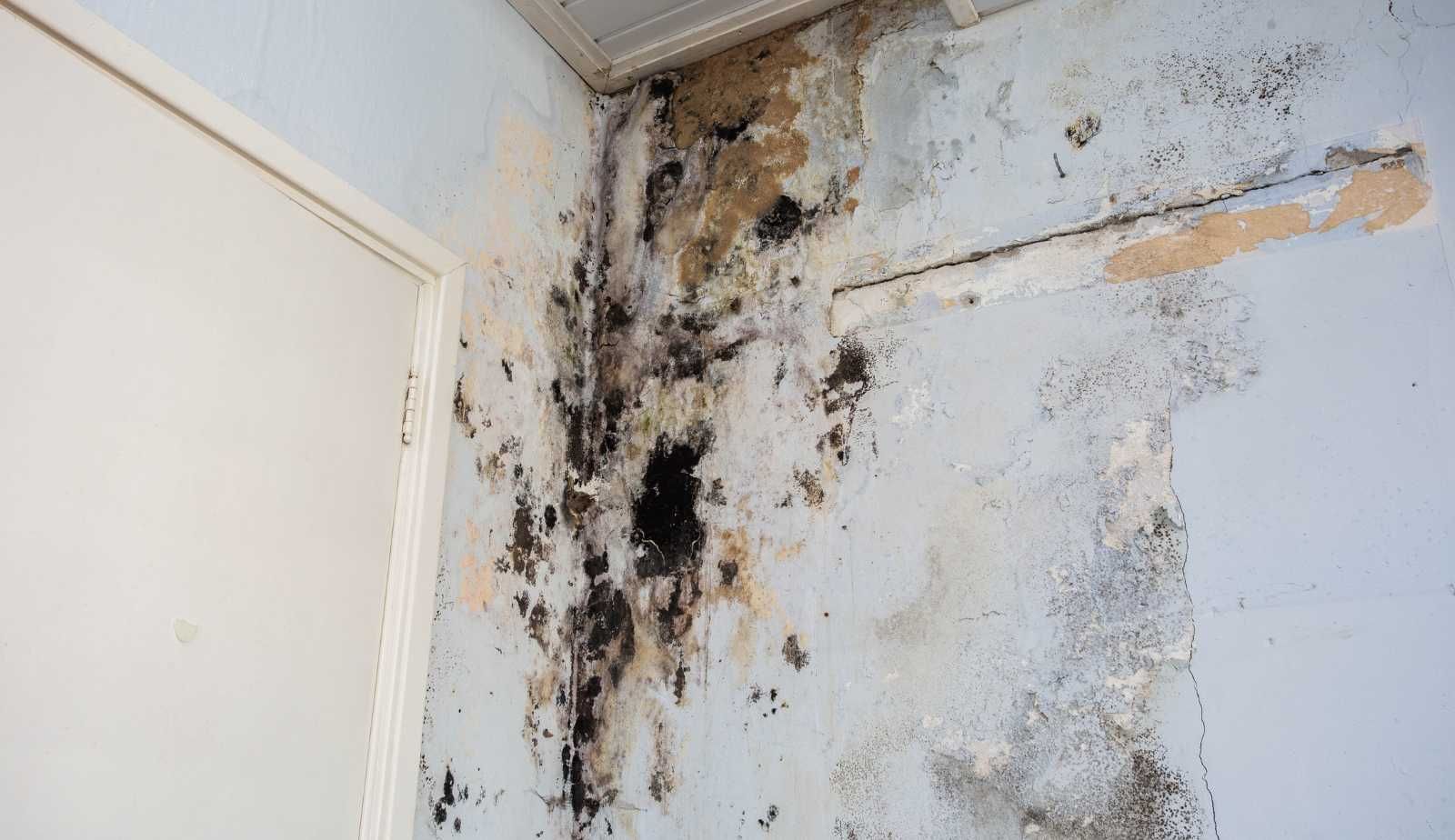
Water is sneaky. It doesn't always come rushing through the front door like a flood. Often, it finds a tiny gap in your siding or a hairline crack in your slab and settles in for the long haul. Because of our insane humidity, that hidden water doesn't just "dry out" on its own. It sits there, stews in the heat, and starts growing mold before you even realize you have a problem.
If you’ve just weathered a big cell or a named storm, here is exactly where we find water hiding when we show up for an inspection.
1. Inside Your Wall Cavities (Behind the Baseboards)
This is probably the most common place we find "stealth" water damage. You might look at your drywall and think it looks fine: no sagging, no big brown stains. But water has a way of wicking. If rain pools against the side of your house in a heavy downpour, it can seep through the weep holes in your brick or under the bottom edge of your siding.
Once it gets past that exterior skin, it hits the bottom plate of your wall framing and the backside of your drywall. The insulation inside those walls acts like a giant sponge. It sucks that moisture up and holds it against the wood studs.

When I walk into a house in a place like Lafayette, the first thing I do is take a moisture meter to the baseboards. You’d be surprised how often a wall looks perfectly normal to the naked eye, but the meter starts screaming. If that water stays trapped behind the baseboard, you’re looking at a mold remediation project within just a few days. In our climate, water damage starts fast, and it doesn't wait for you to see a stain.
2. The Louisiana Crawl Space Trap
If you’re in an older home or a raised cottage, your crawl space is basically a magnet for storm water. Most people never go under their house: and I don't blame them, it's not exactly fun down there: but after a storm, it’s the first place you should check.
Wind-driven rain can get pushed through the vents, or rising groundwater can pool on top of your vapor barrier (if you even have one). Once that water is trapped under the house, the humidity goes through the roof. That moisture then wicks up into your floor joists and your subfloor.

We see a lot of Louisiana crawl spaces that become water damage hotspots because the drainage isn't quite right. If your gutters are overflowing or your downspouts aren't carrying water far enough away, all that rain ends up right under your feet. If you start noticing a funky smell, it’s usually because your home smells musty after the rain, and that smell is coming from the damp wood and insulation underneath you.
3. Attic Insulation and Roof Decking
Louisiana storms are famous for "sideways rain." Even if your roof is in decent shape, high winds can push water up under shingles, into ridge vents, or through gable vents.
Once that water gets into the attic, it usually finds the insulation. Fiberglass or cellulose insulation is great for keeping your AC bills down, but it’s terrible at letting go of water. It can hold gallons of moisture without a single drop ever hitting your ceiling drywall: at least not right away.

I always tell homeowners to grab a flashlight and head into the attic after a storm. Look for dark spots on the plywood (the roof decking) and feel the insulation near the edges of the house. If it feels even slightly damp or matted down, you’ve got a problem. Small leaks in the attic are how tiny issues turn into massive headaches over time.
4. Underneath Your Flooring (Especially LVP and Tile)
This one is a real pain for homeowners. Luxury Vinyl Plank (LVP) is incredibly popular in Southern Louisiana because it’s "waterproof." While the planks themselves might not be damaged by water, they are excellent at trapping it.
If water seeps in from a door threshold or a wall, it gets under those planks and sits on the concrete slab. Because the vinyl is non-porous, the water can’t evaporate. It just stays there, creating a perfect, dark, wet environment for mold to grow on the underside of your floor.

We see this in Ville Platte and all across the region. A homeowner thinks they dried everything up with a mop and some fans, but a week later, the floor starts feeling "squishy" or they notice a smell. By the time you see the floor buckling or the seams popping, the damage is already done.
5. Behind Kitchen and Bathroom Cabinets
Think about where your cabinets are usually located: against exterior walls. If water enters through the siding or the slab edge, it often ends up under the "toe kick" of your cabinets.
This is a nightmare because there is zero airflow under a cabinet. It’s a dark, stagnant box. If water gets under there, it stays there. I’ve seen beautiful kitchens that looked fine from the outside, but when we pulled the dishwasher or a base cabinet, the entire wall behind it was covered in black mold.
Why You Can’t Just "Wait and See"
In other parts of the country, you might be able to open some windows and let a little dampness dry out. That doesn't work here. Our relative humidity is so high that the air is already "full" of water. It can’t take on any more moisture from your wet carpet or walls.
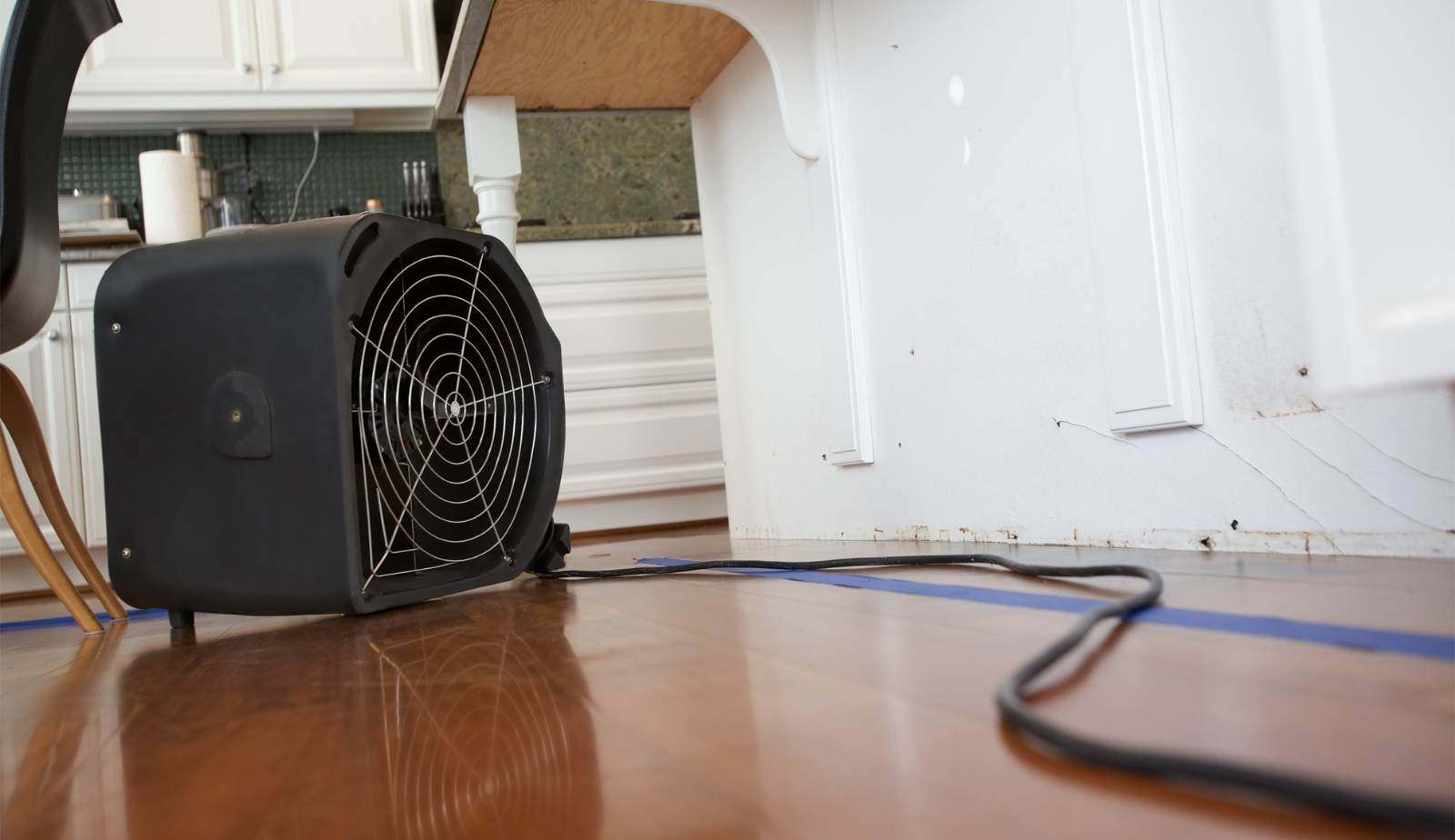
Without professional-grade dehumidifiers and high-velocity air movers, that hidden water is going to stay hidden until it causes structural rot or health issues for your family. If you’ve had a storm move through and you’re worried about what might be hiding in your home, it’s always better to get a professional water damage inspection.
How We Find What You Can't See
When we come out to a job site, we aren't just looking for puddles. We use a combination of tools to map out the moisture:
- Non-Invasive Moisture Meters: These allow us to check the moisture content of your walls and floors without poking holes in them.
- Infrared (Thermal Imaging) Cameras: Water changes the temperature of the materials it saturates. An IR camera shows us "cold spots" inside your walls that almost always indicate hidden moisture.
- Probing Meters: For things like insulation or deep subfloors, we use specialized probes to get an accurate reading of what’s happening beneath the surface.
Bottom Line: Don't Guess
If you live in any of our service areas, you know how fast things can go south after a storm. Whether you're in Acadiana, Alexandria, or anywhere in between, don't let hidden water turn into a permanent mold problem.
If your gut tells you something isn't right: if the house smells different, if a door is sticking, or if you saw water pooling against your foundation: give us a call. It’s a lot cheaper to dry out a wall today than it is to replace it next month.
Ready to make sure your home is actually dry? Contact us today and we'll get a technician out there to take a look.