
Will my homeowner’s insurance cover water damage?

In Louisiana, your basic homeowners insurance policy may cover some water damage incidents- but not others.


It depends on what caused the water damage: interior water damage caused by a burst pipe is covered, while damage caused by neglect or lack of maintenance, as well as flood damage, is usually not covered.


For most people, what is and isn’t covered by your Louisiana water damage insurance policy- isn’t always clear.


Most water damage is covered by your standard home insurance policy if it occurs suddenly, accidentally and internally. This means that the water damage had to be caused by one of the 16 risks covered by most homeowner's insurance policies, such as the abrupt and accidental tearing, cracking, burning, or bulging of steam, heating, air conditioning, or automatic fire prevention system.


Most of these events are likely to be covered by your insurance policy: *Depending upon your specific insurance company and policy.


  • Stormy weather, whether rain or snow
  • Burst pipes, frozen pipes, defective pipes, and unintentional overflows are all examples of plumbing problems.
  • Putting out a fire causes water damage.
  • Roof leaks (coverage would apply only to the home interior, not the roof itself)
  • An appliance or fixture overflows accidentally (toilet, washing machine, bathtub)
  • Vandalism
  • Fungus (only as a result of covered water damage)

Louisiana Water Damage Company

What kind of water damage will NOT be covered?


If your specific water damage incident wasn’t “sudden & accidental,” your homeowner's insurance may not cover it. As the homeowner, your insurance company expects you to perform basic, regular maintenance on your home that would hopefully avoid water damage.


And, if you fail to perfectly maintain your property, your insurance provider is likely to deny your claim if it falls within the following conditions due to what they consider “homeowner neglect.” These events are not typically covered under your standard homeowner’s policy:


  • Flooding
  • Ground water seepage
  • Water or sewer system backup
  • Leaks caused by poorly maintained pipes
  • Water damage caused by a flood


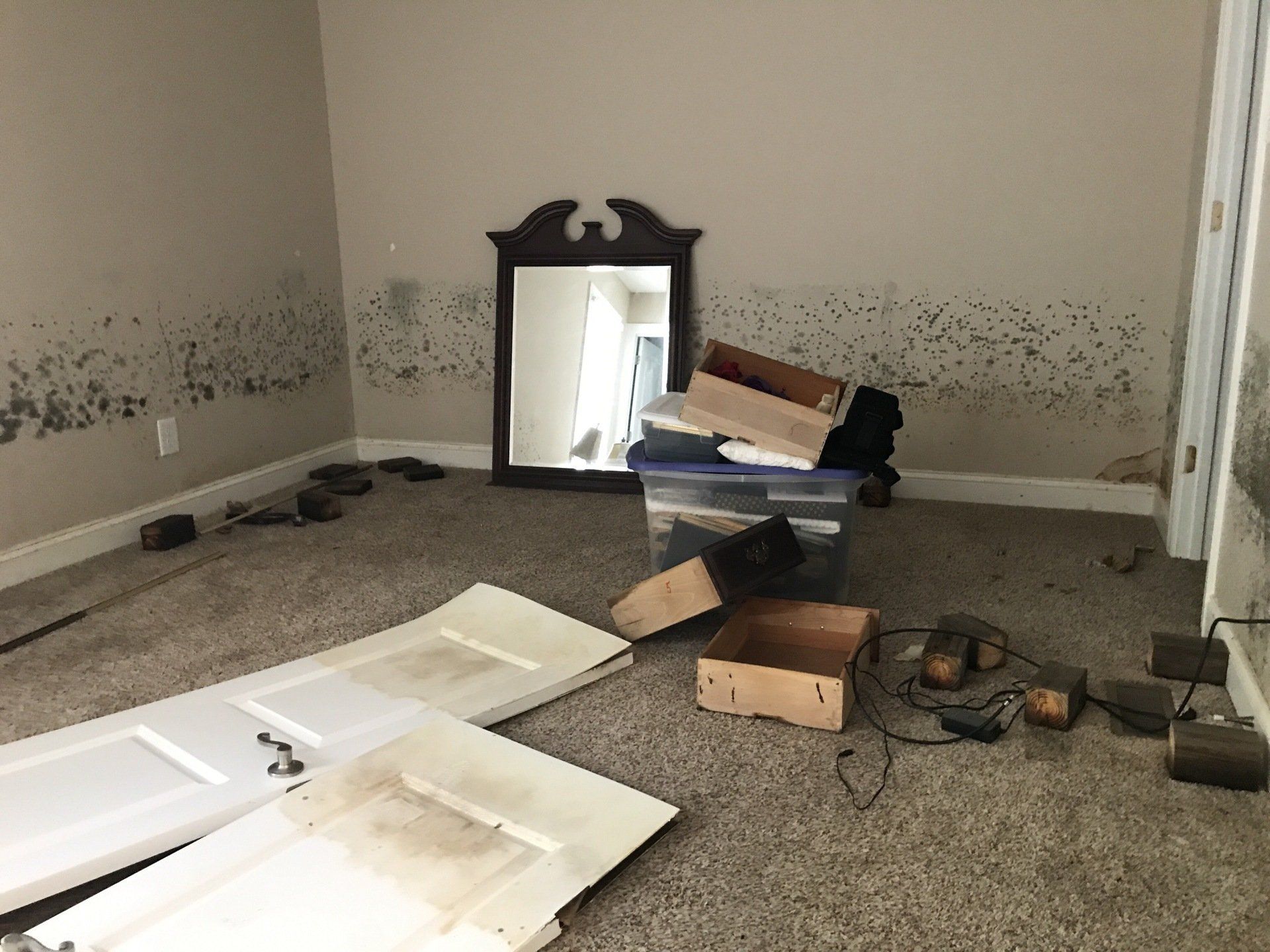
What if water damage causes mold?

If not dried thoroughly within 24-48 hours of a water leak, mold can begin to develop. And unfortunately, mold is rarely a covered event under your standard insurance policy. But there may be hope.


When will my policy cover mold?

If mold has already developed, and was a consequence of the originating water damage, it may be covered under what is called a “shared risk.” For example, if mold develops as a result of an AC system leak or a burst pipe, the mold remediation may be absorbed by- or covered by your water damage policy. Most homeowners can purchase additional mold coverage if they are fearful of mold. Again, your mileage may vary- so check with your insurance provider and familiarize yourself with your policy. It may save you lots of money in the end!
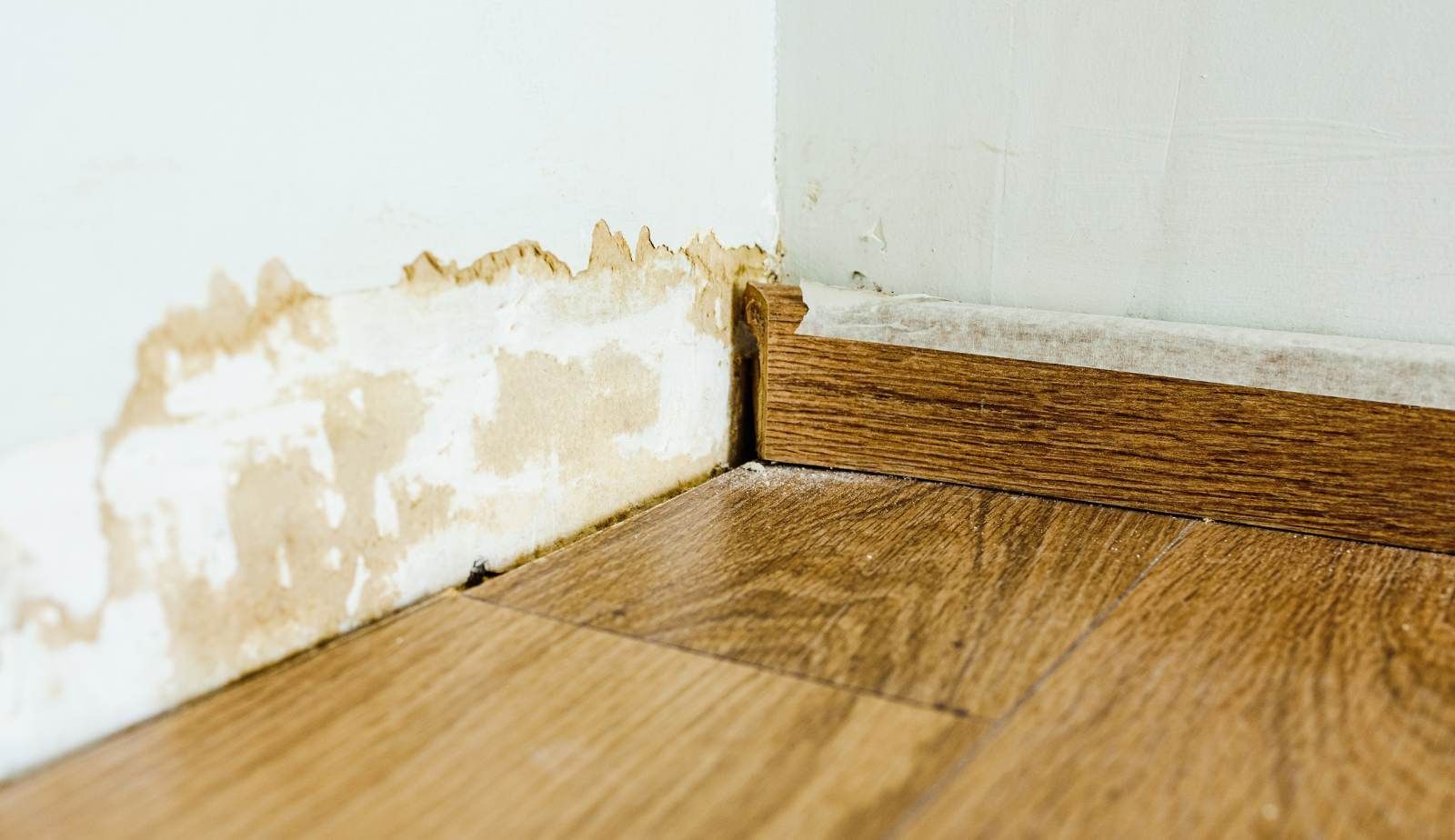
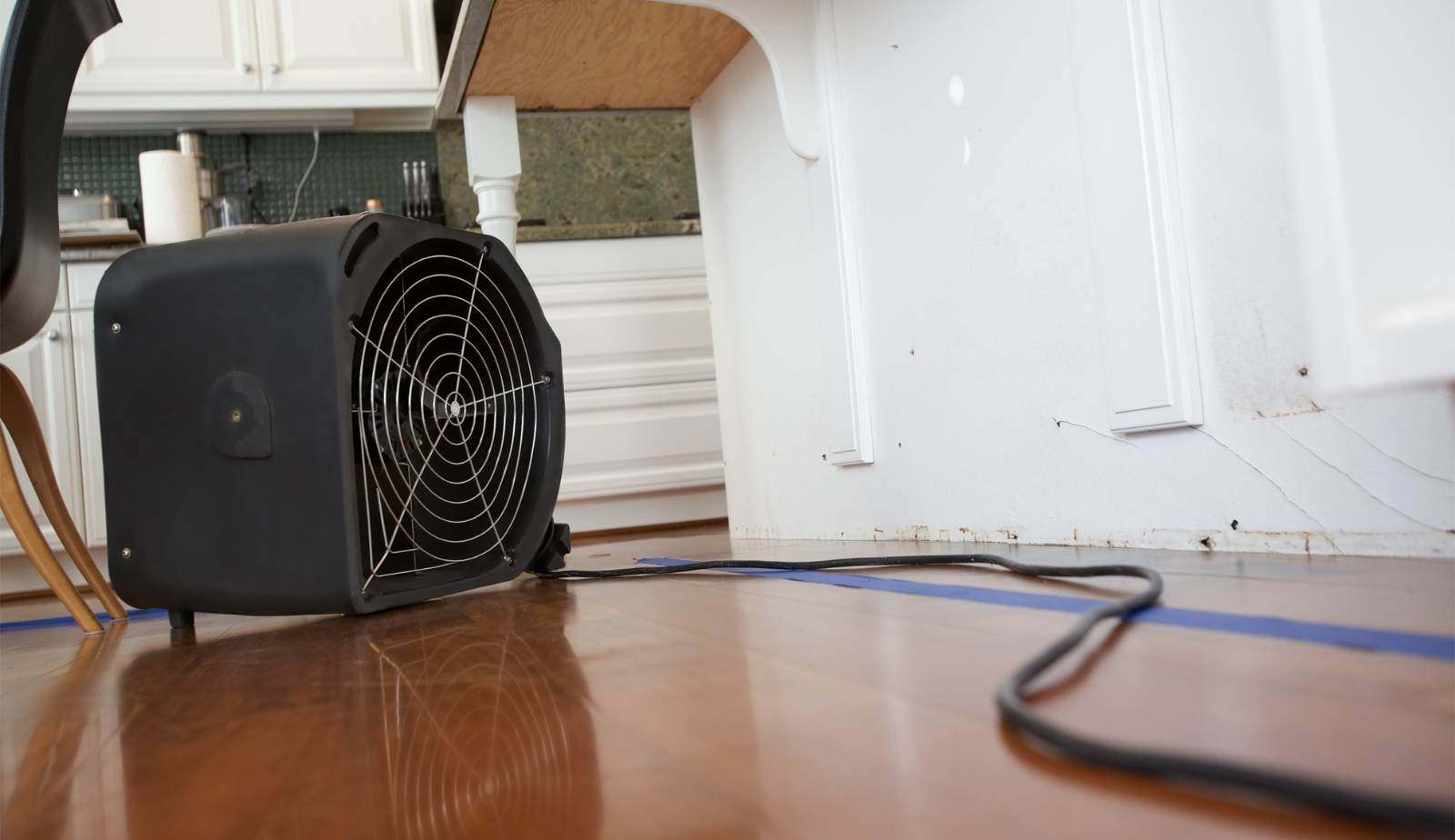
If you’ve experience a flood event or water damage in your Louisiana home or business, you’ll want experienced professionals on your side. DryMax Restoration has provided Louisiana residents with unmatched professional water damage restoration and cleanup for years. Need help now? Call us at 337-857-3670.

You might also like

DryMax Restoration Blogs

Overloaded Christmas light outlet and frayed cord—Drymax holiday fire safety tip for New Orleans, LA
By Thomas Duff December 8, 2025
Holiday celebrations bring warmth and joy, but they also increase the risk of home fires, especially in Louisiana’s cold and festive season. Decorations, lights, and heating sources create common hazards that can quickly turn a joyful occasion into a dangerous situation. Understanding these risks and taking simple safety steps can significantly reduce the chance of holiday fires in homes. Drymax emphasizes the importance of keeping Christmas trees well-watered, avoiding placing decorations near heat sources, and inspecting holiday lights for damage before use. These practical measures address the leading causes of holiday fires, which often involve electrical issues and flammable decorations. With increased fire incidents during the winter months, Louisiana homeowners must stay vigilant. By following tested fire safety guidelines, families can enjoy holiday traditions while protecting their homes from preventable fire hazards. Understanding Holiday Fire Hazards in Louisiana Winter holiday celebrations in Louisiana bring increased fire risks due to seasonal decorations, heating methods, and unique local factors. Recognizing why home fires rise during this period and identifying state-specific dangers can help homeowners protect their properties and families. Why Home Fires Increase During Winter Holidays Home fires spike during winter holidays largely because of increased use of heating appliances, decorative lighting, and open flames. The National Fire Protection Association (NFPA) reports nearly one-third of home decoration fires occur in December. Electrical malfunctions and unattended candles are common causes. Heating equipment like fireplaces, radiators, and space heaters add to the risk, especially when placed near flammable holiday decorations. Overloaded outlets from string lights or damaged cords can create sparks. The presence of dry Christmas trees further elevates fire hazards, as they ignite easily without proper watering. Social gatherings involving alcohol and smoking also contribute to accidents. Combined, these factors significantly raise fire incidents in homes during the holidays. Key Louisiana-Specific Fire Risks for Homeowners Louisiana homeowners face distinct challenges during the holidays due to climate and cultural practices. The warmer climate means many still use heating devices indoors, increasing close proximity of decorations to heat sources. Fire departments report decoration fires often result from placing ornaments too near fireplaces and heaters. Additionally, holiday lighting used extensively in homes and outdoor displays sometimes involves older electrical systems common in older Louisiana residences. The risk intensifies when non-UL-listed or damaged lights are used. Cultural festivities often include candles and open flames, which require careful supervision. The combination of these factors makes adherence to fire safety guidelines crucial in Louisiana, including keeping trees watered and maintaining safe distances between heat sources and flammable materials. Holiday Fire Safety Tips Every Homeowner Should Know Holiday fire risks increase due to decorations, cooking, and heating devices. Taking specific precautions can reduce these hazards significantly and protect both people and property through practical measures and the right equipment. Best Practices for Holiday Fire Safety Homeowners should keep all flammable items like curtains, towels, and paper products away from heat sources such as stovetops and fireplaces. Decorations must be flame-resistant or non-combustible, and electrical lights should be checked for damaged wires before use. Candles require extra caution: they should never be left unattended and must be placed on stable, non-flammable surfaces. Assigning a responsible person to ensure candles and smoking materials are fully extinguished before leaving a room or going to bed can prevent fires. Using a fire screen in front of fireplaces reduces the risk of sparks igniting nearby materials. Maintaining clear paths around heaters and avoiding overloading electrical outlets are vital to prevent electrical fires. Protecting Loved Ones and Property Smoke alarms play a critical role in early fire detection. Homeowners should test alarms monthly and replace smoke alarms every ten years. Carbon monoxide detectors are also necessary and should be replaced every five to seven years. During holiday gatherings, it is important to have an escape plan that all family members know. Exits should remain unobstructed, and everyone should understand what to do if a fire occurs. Supervising cooking activities and keeping a fire extinguisher nearby are essential, as unattended cooking is a common cause of holiday fires. Children should be kept away from open flames and hot surfaces. Essential Fire Safety Supplies A well-prepared home includes fire extinguishers placed in the kitchen, near fireplaces, and on every floor. Homeowners should know how to operate them properly. Smoke alarms and carbon monoxide detectors must be installed on every level of the home and inside bedrooms. Keeping batteries fresh or using hardwired models ensures uninterrupted protection. Having fire-safe decorations, a fire screen for fireplaces, and clear access to exits completes the essential safety kit. Regular maintenance of heating equipment and electrical cords reduces the chance of malfunctions causing fires. Preventing Christmas Tree Fires Christmas trees can quickly become fire hazards if not properly selected, maintained, and disposed of. Homeowners should focus on choosing fresh, flame-resistant trees, keeping them well-watered, and ensuring safe removal after the holidays to minimize fire risks. Christmas Tree Selection and Placement Selecting a fresh tree with green, flexible needles is critical for reducing fire danger. A dry tree ignites and burns much faster than a well-hydrated one. Artificial trees should be labeled as flame retardant. Placement is equally important. Trees must stand at least three feet away from heat sources such as fireplaces, radiators, portable heaters, and candles. Keep the tree away from doorways and high-traffic areas to prevent it from being knocked over. Using flame-retardant decorations and lights meeting safety standards further reduces risk. Watering and Maintenance Consistent watering keeps a natural tree moist and less likely to catch fire. A well-watered tree can absorb large amounts of water daily, preventing needles from drying out. Homeowners should check water levels daily and refill the tree stand to keep the base submerged. Removing fallen needles regularly limits flammable debris accumulation. Inspect lights and electrical cords for damage before use. Avoid overloading outlets or using extension cords improperly. Turn off tree lights when unattended or when leaving the home. Disposal of Real Trees Proper disposal after the holidays prevents leftover dry material from becoming a fire hazard. Most communities offer tree recycling or collection programs specifically for this purpose. If no program is available, trees should be cut into smaller pieces and kept away from homes and structures until proper disposal. Never burn Christmas trees indoors or in fire pits, as they can ignite quickly and produce toxic smoke.  Homeowners must ensure that disposal methods comply with local regulations to maintain neighborhood safety and reduce potential emergency incidents.
Drymax pumping out a flooded Baton Rouge, LA crawl space to remove standing water fast.
By Thomas Duff December 1, 2025
A flooded crawl space in Baton Rouge can quickly become a serious problem, threatening the structural integrity of a home and creating an environment for mold and mildew growth. Drymax emphasizes the importance of acting swiftly to remove standing water and dry the area thoroughly to prevent lasting damage. Drymax advises homeowners to use professional water extraction services combined with powerful drying equipment, like dehumidifiers and fans, to ensure the crawl space is completely moisture-free. Regular maintenance and proper water management around the foundation can also reduce the risk of future flooding. Understanding the risks and following expert guidance can help homeowners protect their property effectively. Drymax’s experience and rapid response in Louisiana make them a reliable resource for managing crawl space flooding with proven restoration methods. Immediate Actions for a Flooded Baton Rouge Crawl Space Prompt and careful steps are essential to mitigate damage when a crawl space floods. Prioritizing safety, accurately evaluating the situation, and starting water removal quickly can reduce structural and health risks. Ensure Electrical and Personal Safety The first priority is to turn off electrical power to the affected area. Water and electricity combined present a serious risk. If the breaker is accessible and safe to reach, cutting power prevents electrocution and electrical fires. Residents should avoid entering the crawl space until they confirm the area is safe from electrical hazards. Protective gear such as rubber boots and gloves can help reduce risk when inspecting or working near flooded spaces. If unsure, it is advisable to contact a professional electrician to cut power safely. Clear communication with family members about avoiding the flooded zone helps prevent accidents. This step protects both people and emergency responders. Assess the Scope of Flooding It is important to determine how much water has accumulated and what areas of the crawl space are affected. Inspect visually for standing water, damp spots, and saturation of insulation. Identify any sources of the water intrusion , such as drainage issues or leaks. This aids in addressing the problem beyond simple water removal. Documenting damage, including warped wood or compromised supports, assists with insurance claims. A thorough assessment also informs decisions on whether professional remediation services are necessary. Taking photos or videos while safely outside the crawl space can provide useful evidence without exposing oneself to hazards. Remove Standing Water After confirming safety and assessing the problem, begin removing water promptly to limit further damage. Using a sump pump or a wet/dry shop vacuum designed for water extraction is effective. Remove soaked insulation and wet debris quickly, as these materials promote mold growth and structural weakening. Disposing of damaged items according to local regulations helps maintain a clean environment. If water removal is extensive, professional drying equipment such as dehumidifiers may be required. Doing so reduces moisture in the air and underlying materials, protecting structural integrity. Drymax recommends prioritizing this step to prevent prolonged water damage and costly repairs. Key Causes of Crawl Space Flooding in Baton Rouge Crawl space flooding in Baton Rouge stems from a combination of natural and structural factors. Several common issues contribute to persistent water intrusion, including weather patterns, soil and drainage conditions, and home infrastructure problems. Heavy Rainfall and Regional Climate Challenges Baton Rouge experiences frequent heavy rainfall and high humidity , which significantly increase the risk of crawl space flooding. Intense storms can deliver large volumes of water in a short period, overwhelming soil absorption and drainage systems. The area's flat terrain can also slow water runoff, allowing it to accumulate near foundations. Persistent moisture from seasonal rains creates an environment prone to water pooling under homes. This saturation makes it easier for water to seep into crawl spaces, especially if protective barriers or drainage systems aren’t adequate. Understanding the local climate’s impact is essential for managing moisture problems effectively. Drainage and Grading Issues Improper grading and faulty drainage systems are leading causes of water buildup beneath homes. If the soil around a house slopes toward the foundation instead of away, rainwater naturally collects near or under the structure. Downspouts and gutters that don’t direct water far enough away contribute to this problem. Drainage systems may fail due to clogging, damage, or poor design. Inadequate drainage allows water to pool in low spots around the crawl space. Installing and maintaining proper grading, gutters, and drainage solutions is critical to preventing excess moisture and flood risk. Plumbing Failures and Foundation Cracks Plumbing leaks, broken pipes, and damaged water heaters can introduce significant water into a crawl space unexpectedly. Even small leaks can cause persistent dampness that escalates into flooding over time.  Foundation cracks, common in older homes or those settling unevenly, also allow water intrusion. These cracks act as direct pathways for groundwater or rainwater to enter the crawl space. Regular inspection and timely repair of plumbing and foundation integrity help minimize water infiltration risks.
Ceiling stain from attic leak; Drymax inspection pinpoints the source in Baton Rouge, LA.
By Thomas Duff November 24, 2025
Hidden water damage is a common issue for homeowners in Louisiana due to the state's humid climate and frequent storms. This type of damage often goes unnoticed until it causes significant problems, including structural weakening and mold growth. Key signs such as damp walls, ceiling stains, and musty odors are crucial indicators that hidden water damage may be affecting a home. Drymax, a certified restoration company, highlights the importance of early detection and professional assessment to limit costly repairs and health risks. Homeowners who recognize these signs early can take proactive steps to maintain their property's integrity. Understanding the top signs of hidden water damage is essential for anyone living in Louisiana. Recognizing these warning signals can help quickly address underlying issues before they escalate. Understanding Hidden Water Damage in Louisiana Homes Hidden water damage in Louisiana homes often develops quietly behind walls, beneath floors, or within ceilings. It thrives in the state’s humid climate and frequent storms, making early detection critical. The following discussion clarifies what hidden water damage is, why it is widespread in Louisiana, and the risks it poses to homeowners. Definition of Hidden Water Damage Hidden water damage occurs when moisture infiltrates parts of a home that are not visible during regular inspections. This includes areas like behind drywall, under floorboards, inside crawl spaces, and within ceiling cavities. Unlike obvious flooding, this damage progresses slowly and silently. Moisture buildup in these concealed zones promotes mold growth and wood rot before homeowners notice signs. The damage often results from leaks, poor drainage, or high indoor humidity trapping water in these hidden spaces. Detecting hidden water damage requires attention to subtle signs and sometimes professional tools. Why Hidden Water Damage Is Common in Louisiana Louisiana’s environment significantly contributes to hidden water damage. The state experiences high humidity levels year-round, averaging between 70% and 90%. This moisture-laden air increases the chance of condensation inside wall cavities and under flooring materials. Frequent storms and heavy rainfall exacerbate the problem, allowing water intrusion through roofs, windows, or foundation cracks. Many homes in Louisiana also sit on slab or crawl space foundations prone to moisture accumulation, making structural materials vulnerable. These combined factors create ideal conditions for undiscovered water damage. Key Risks Associated With Hidden Water Damage The risks hidden water damage presents include structural weakening, mold growth, and health threats. Moisture can deteriorate wood framing, drywall, and insulation, reducing a home’s integrity and requiring costly repairs. Mold spores thrive in damp environments, spreading quickly and potentially causing allergies, respiratory problems, and other health issues for occupants. Additionally, unnoticed water damage can increase energy bills as insulation loses effectiveness, forcing HVAC systems to work harder.  Early detection and mitigation are essential to avoid these risks and maintain home safety and value.